Military Confrontation Escalates Between US and Iran
US forces intercepted Iranian ballistic missiles & drones targeting Middle East, striking an Iranian command center amid escalating regional tensions.
Lauren Collins ·
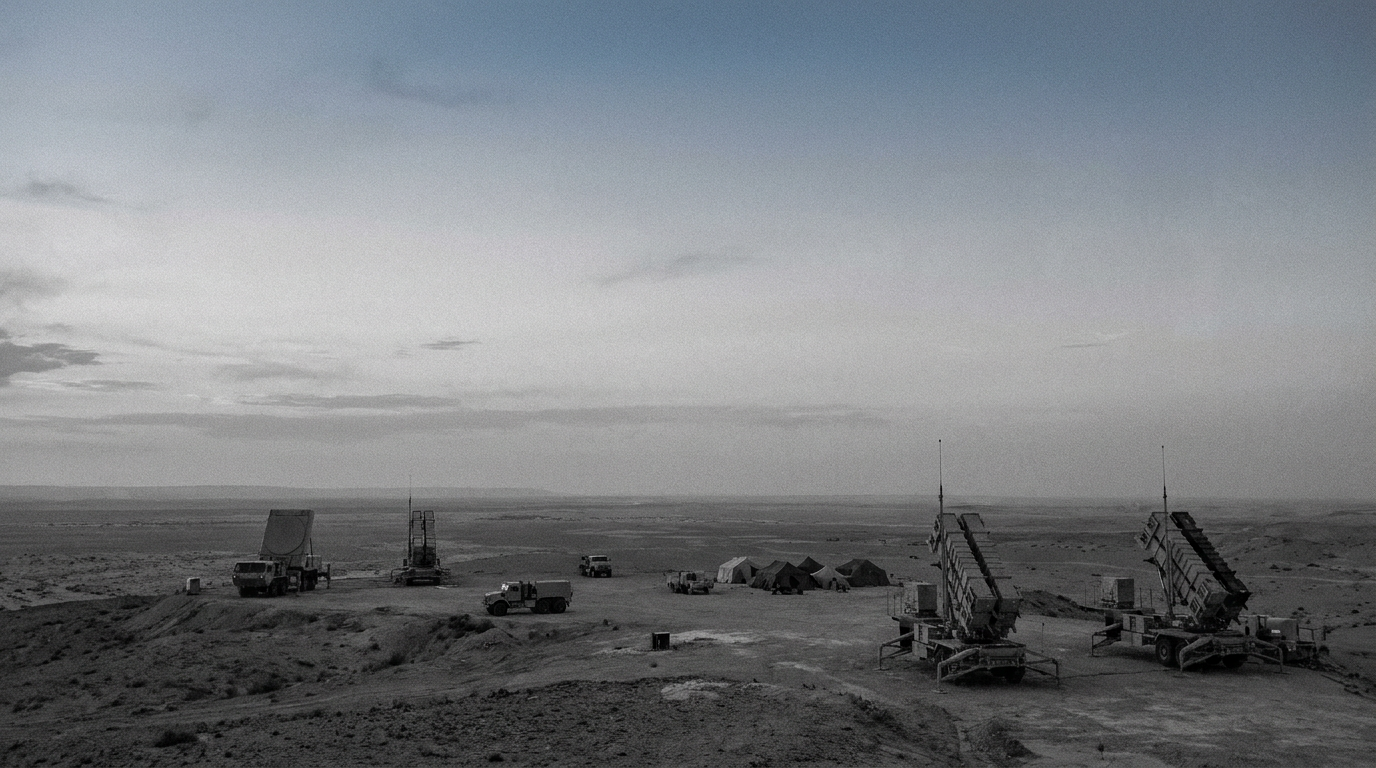
US forces recently engaged Iranian assets, intercepting a series of ballistic missiles and drones aimed at several countries in the Middle East. This military action marks a significant escalation in the ongoing regional tensions, challenging existing ceasefires.
US Central Command (CENTCOM) confirmed that Iran launched multiple ballistic missiles toward nations including Kuwait and Bahrain. Coalition air defenses, including those from the US and Bahrain, successfully intercepted some of these projectiles, preventing any from reaching their intended targets.
US Responds to Attacks
Beyond missile defense, US forces also intercepted a wave of drones attempting to target American personnel stationed in Kuwait. CENTCOM reported no injuries to US personnel or damage to assets during these drone incursions.
In a direct response, the United States launched a retaliatory strike, targeting an Iranian military ground control station located on Qeshm Island. CENTCOM characterized this action as a necessary measure of self-defense, underscoring the US commitment to protecting its interests and allies in the region.
Regional Dynamics and Diplomacy
These recent confrontations follow a period of heightened military activity, including Israeli escalations against Hezbollah in Lebanon. President Donald Trump and Israeli Prime Minister Benjamin Netanyahu discussed the situation, though their public statements on a potential truce offered differing perspectives regarding its scope.
Prior to these missile and drone incidents, the US had conducted strikes against Iranian radar and command-and-control sites. Iran's Islamic Revolutionary Guard Corps had reportedly attempted to retaliate against an air base in response, further contributing to the region's instability.
Policy Implications
President Trump has consistently expressed confidence in reaching a resolution to the conflict with Iran. However, Israel's independent military objectives in the region highlight the complex leverage dynamics at play, suggesting that a broader peace agreement remains elusive.
The latest exchange demonstrates the fragile nature of stability in the Middle East, with immediate military responses shaping the diplomatic landscape. The protection of US interests and personnel, alongside the security of allied nations, remains a paramount concern shaping US policy in this volatile region.