Kremlin Signals Readiness to Supply Surplus Gas to European Union Markets
Kremlin says Russia could supply gas to EU markets on April 12, 2026, but only if surplus volumes remain after other commitments.
Atlas Newsdesk ·
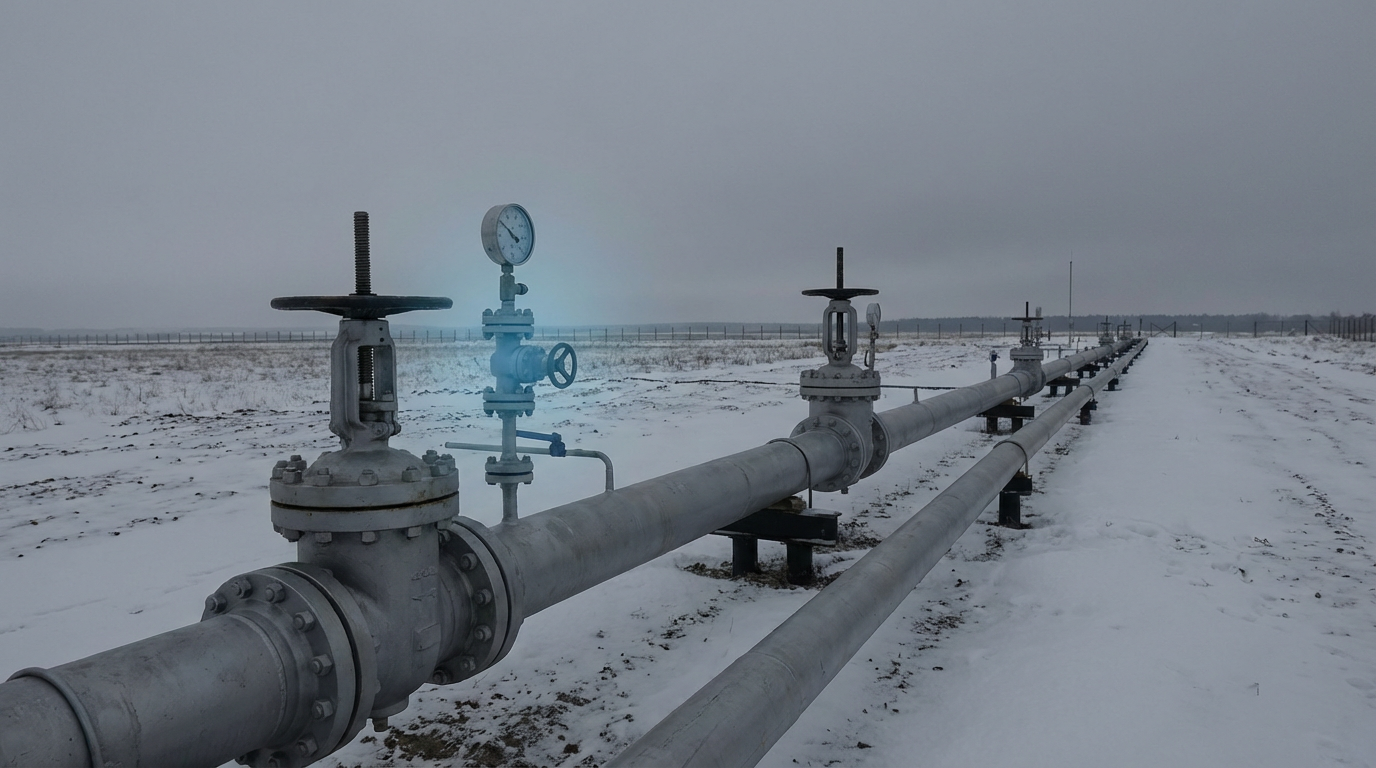
Moscow signaled conditional openness to renewed natural gas deliveries to the European Union on Sunday, April 12, 2026. Kremlin spokesman Dmitry Peskov said Russia would be ready to supply gas to EU markets only if extra volumes are available after meeting obligations to other destinations. The remarks were reported by the Russian state news agency TASS.
Peskov’s comments framed any potential EU supply as secondary to Russia’s commitments elsewhere, indicating that non-European buyers would be served first. He described the possibility of EU deliveries as dependent on whether surplus volumes remain once those alternative-market contracts are fulfilled. The statement did not specify volumes, routes, pricing, or timing for any potential shipments.
The conditional offer comes after Russian gas flows to Europe fell sharply following geopolitical developments, reshaping energy trade patterns between Russia and the EU. In that context, Peskov’s language pointed to a posture in which Europe is not positioned as the primary outlet for Russian gas, while still leaving open a limited pathway for sales under defined circumstances.
The report did not indicate any change to existing policies or agreements, and it did not cite negotiations with EU institutions or individual member states.
Peskov also said Europe has the ability to obtain gas from other sources even without Russian supplies. That acknowledgement aligns with the broader push by European countries to diversify energy procurement and reduce dependence on Russian energy, a process that has accelerated in recent years. The statement, as reported, emphasized that Europe’s supply options extend beyond Russia, even as Moscow signaled it could sell to the EU if spare capacity exists.
What it means for markets and politics is tied to the conditions attached. By linking any EU deliveries to surplus volumes after other commitments, the Kremlin’s message underscores that Europe would not be guaranteed supply and would remain exposed to uncertainty over availability. For global gas markets, the remarks highlight how trade flows can be shaped by shifting priorities across regions, with Europe’s role described as contingent rather than central.
Key unknowns remain. The statement did not clarify how surplus would be defined, which alternative markets would take precedence, or whether infrastructure and commercial arrangements would support additional EU deliveries. It also did not address whether European buyers would be willing to re-engage under such terms. As presented by TASS, the Kremlin’s position was a readiness to supply only if excess volumes exist after other obligations are met.