Legislators push psilocybin bills to shape future trauma care
Psilocybin bills are advancing in several US states to expand therapeutic access for PTSD as supporters also pursue FDA authorization.
Ayla Demirhan ·
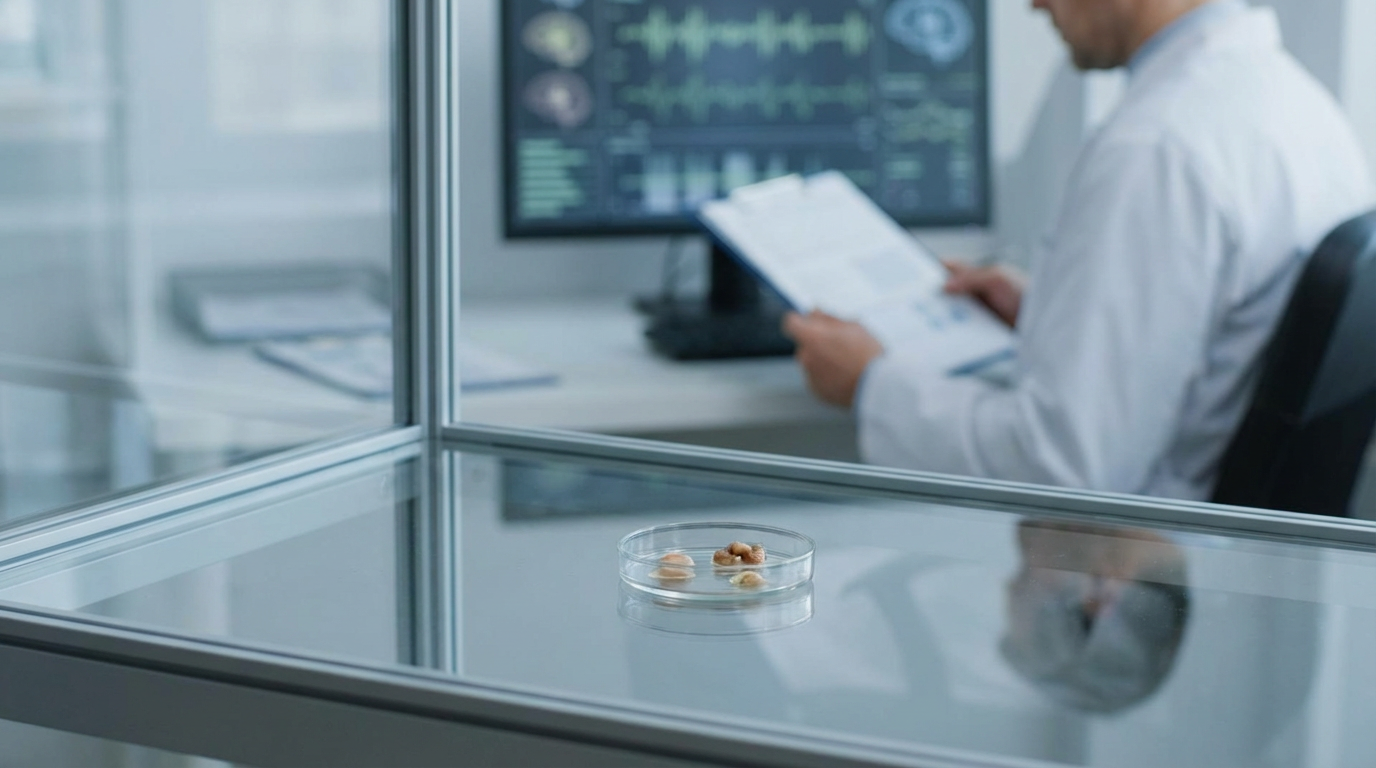
State lawmakers in the United States are moving new bills aimed at legalizing or widening access to psilocybin for therapeutic use, with a particular focus on post-traumatic stress disorder (PTSD). The legislative activity is unfolding while supporters also pursue federal authorization through the Food and Drug Administration (FDA), underscoring a widening gap between state experimentation and the national drug-approval system.
Three states already have laws on the books that permit therapeutic psilocybin: Colorado, New Mexico, and Oregon. Colorado’s framework goes further by also allowing personal use. Beyond those states, at least eight others are weighing proposals that would move in a similar direction, including Minnesota, Iowa, Massachusetts, Missouri, New Hampshire, New Jersey, and New York.
Supporters of these measures point to personal accounts and early-stage research suggesting psilocybin could reduce trauma-related symptoms. A 2025 study in the Journal of Psychopharmacology reported that psilocybin, when paired with psychological support, appeared to be safe and was associated with symptom improvement among adults diagnosed with PTSD.
Backers argue that, even if the evidence is still developing, it supports creating regulated state pathways while the federal review process continues.
Advocates also frame the push around urgent mental health needs among veterans. Jesse Gould, founder of the Heroic Hearts Project, cited a veteran suicide rate of 35 per 100,000 in 2023 as part of the case for expanding treatment options. From this viewpoint, state legislation could broaden access to alternative care models for people who do not respond to conventional approaches.
Researchers urging caution say the evidence base for psilocybin’s effectiveness in PTSD remains limited. Albert Garcia-Romeu of Johns Hopkins University has warned that psilocybin may carry risks for certain individuals, including triggering psychosis or manic episodes in those who are predisposed. These experts argue that the FDA pathway exists to set consistent clinical standards, establish clear guidance, and enforce safety protocols before any medication is widely adopted.
Some organizations say they are building safeguards into their practices as interest grows. The Heroic Hearts Project reported using strict screening that excludes people diagnosed with schizophrenia or certain bipolar disorders. The organization said it has not seen psychotic episodes among the more than 1,500 veterans and spouses it has supported.
Uncertainty remains over how quickly state initiatives could translate into broadly standardized care, particularly while federal approval is still pending and researchers continue to debate the strength of the clinical evidence. For policymakers and markets, a central issue is how state-by-state rules will align—or clash—with national regulatory expectations as interest in psychedelic-assisted therapy expands globally.