Hormuz reopening: Rubio says Iran or coalition will act
Hormuz reopening: Rubio said March 30, 2026 the strait will reopen after Iran operations end, by Iran’s consent or an international coalition.
Lauren Collins ·
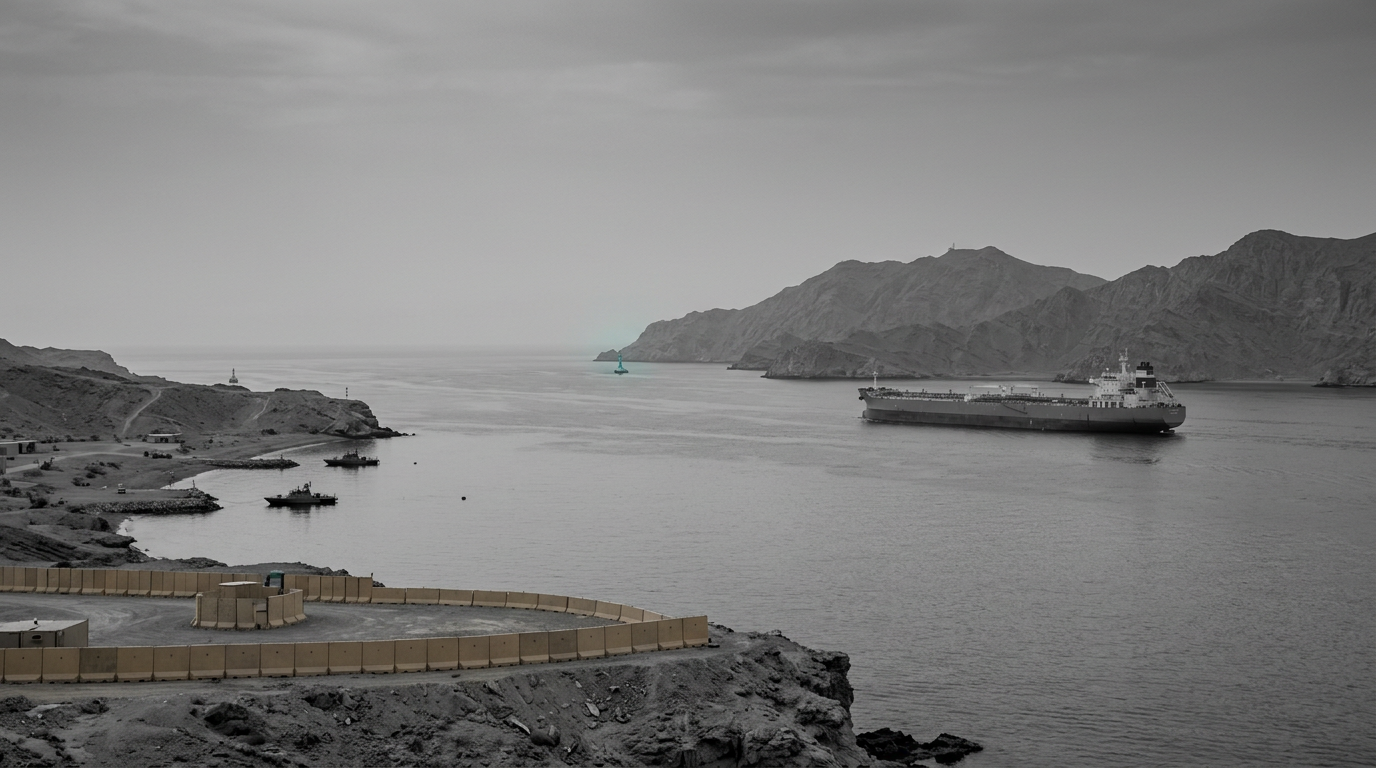
U.S. Secretary of State Marco Rubio said on March 30, 2026, that the Strait of Hormuz will reopen after military operations in Iran end, either with Iranian agreement or through an international coalition. He made the remarks in an exclusive interview with Al Jazeera in Bratislava, Slovakia, as fighting continued in a conflict that began on February 28 with U.S.-Israeli strikes on Iran. Rubio’s comments came as the closure of the strait has weighed heavily on international oil markets.
Rubio framed the reopening of Hormuz as a matter of ensuring maritime passage through a route described as a critical chokepoint for global oil shipments. He linked the timing to the conclusion of current military activity in Iran, while also signaling that the United States expects the waterway to resume normal transit. The statement set out two pathways: reopening by Iranian consent or by action from an international coalition.
Alongside the military backdrop, Rubio said direct talks between U.S. and Iranian parties are continuing, though he described them as largely conducted through intermediaries. He also said U.S. President Donald Trump’s priority is diplomacy as the preferred route to resolve the conflict. The remarks presented diplomacy and military operations as running in parallel, with communications continuing despite the ongoing engagement.
Rubio urged Iran to take what he called concrete steps. He listed ending its nuclear program, stopping drone and missile manufacturing, and halting sponsorship of terrorism and the production of weapons that he said threaten regional stability. He also pointed to short-range missiles launched by Iran as a threat to Saudi Arabia, the UAE, Qatar, Kuwait, and Bahrain, naming those states as being at risk from such attacks.
S. position that passage must be restored once current operations conclude. For energy-importing economies, any disruption around Hormuz can quickly transmit into pricing and supply concerns, while producers and shippers face operational uncertainty when transit is constrained. Rubio’s emphasis on reopening, whether by agreement or coalition action, underscored the strategic importance Washington assigns to the route.
Key uncertainties remain, including the timing and conditions under which military operations in Iran will end, and which mechanism—Iranian consent or an international coalition—would ultimately be used to reopen the strait. Rubio’s interview did not provide a specific date for reopening, and the situation remains tied to developments in the conflict that began on February 28.