Royal Navy Monitors Russian Vessels Near UK Waters
The Royal Navy tracked four Russian vessels, including a destroyer, for 72 hours through the North Sea and English Channel amid rising naval activity.
Lauren Collins ·
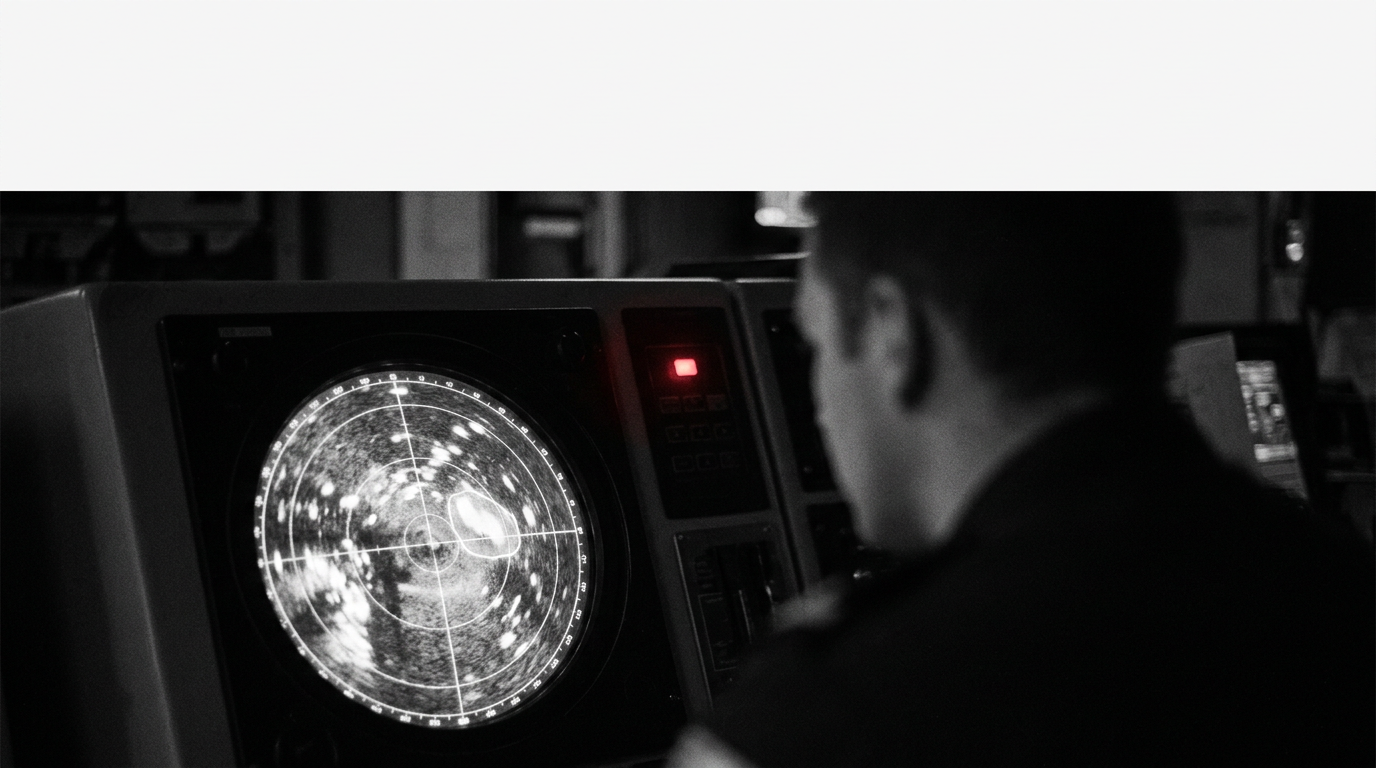
The Royal Navy recently completed a 72-hour surveillance operation, tracking four Russian vessels as they navigated through the North Sea and the English Channel. This deployment involved three British warships and a Merlin helicopter, which shadowed the destroyer Admiral Levchenko, the frigate Neustrashimy, and two cargo ships identified as being under sanctions.
This monitoring effort comes amidst an observable increase in Russian naval operations close to United Kingdom waters, which has reportedly risen by 25% over the past year. Military leaders have consistently flagged these movements as an enduring security concern, highlighting the continuous need to track such vessels, often referred to as a 'shadow fleet', and the strain this places on naval resources.
Increased Naval Activity and UK Posture
The surveillance operation reflects heightened geopolitical tensions between Russia and the UK. The British government has reaffirmed its commitment to supporting Ukraine with military aid, including advanced long-range missile technology. In response, Russian officials have issued warnings of potential retaliatory actions, suggesting the possibility of semi-military measures against British interests due to Western backing for Kyiv.
General Gwyn Jenkins, the First Sea Lord, emphasized that such sustained monitoring compels Moscow to divert its warships from other primary assignments. This strategic approach aligns with previous actions, including an incident in June where Royal Marines intercepted the Russian tanker Smyrtos. This marked the first instance of British forces boarding a sanctioned vessel identified as part of the 'shadow fleet'.
Geopolitical Implications and Future Monitoring
The persistent presence of Russian naval assets near UK territorial waters underscores the deep-seated geopolitical friction exacerbated by the ongoing conflict in Ukraine. Any further military assistance from the UK to Ukraine could potentially provoke additional responses from Russia, possibly broadening the scope of indirect confrontations.
Observers will continue to monitor the scale and regularity of these naval deployments as a key indicator of Moscow's strategic stance against Western nations that support Ukraine. The sustained need for surveillance places a consistent demand on British naval assets and personnel, ensuring continuous readiness and intelligence gathering in a volatile geopolitical environment.