Gaza Grape Harvest Begins Amid Reconstruction Obstacles
Farmers in Gaza's Sheikh Ijlin district have resumed grape harvesting, a vital step for economic recovery despite ongoing reconstruction challenges.
Lauren Collins ·
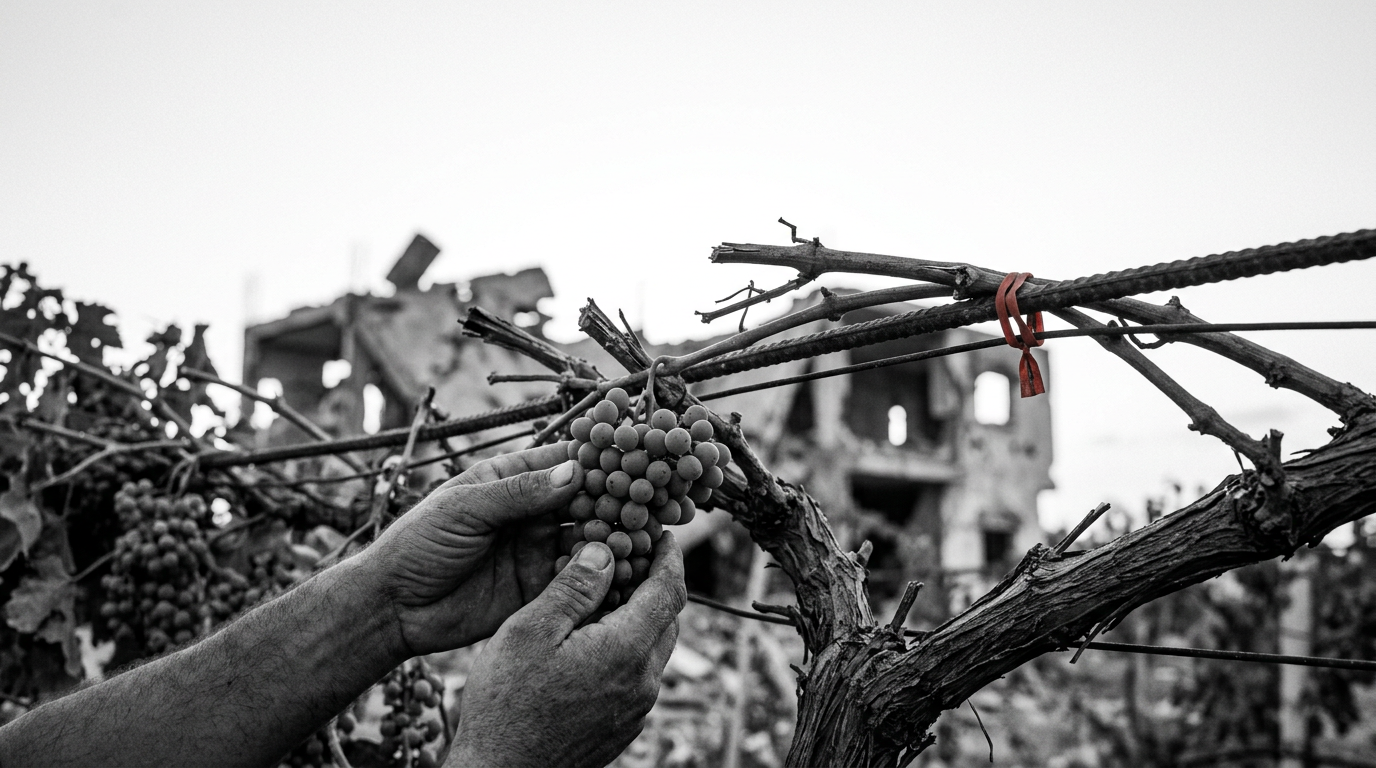
Grape harvesting has recommenced in Gaza City's Sheikh Ijlin district, marking a partial return to agricultural activity after an October ceasefire. This development represents an initial phase of recovery for a region profoundly affected by recent conflict, yet substantial challenges impede full rehabilitation efforts.
Khaled Abu Madeen, a local producer, is among those gathering their first yields following a nearly three-year interruption. His return to the vineyards highlights residents' dedication to restoring their livelihoods on land that experienced extensive infrastructure damage during military actions. However, this initial harvest volume remains significantly lower than pre-conflict output levels.
Agricultural Recovery Faces Hurdles
The path toward agricultural restoration in Gaza is complicated by severe logistical and financial difficulties. It is estimated that approximately 60% of the original grapevines were either destroyed or uprooted during the conflict. Consequently, current projections indicate that grape production will only reach 40% of its former capacity.
Farmers are also encountering obstacles in securing essential agricultural inputs, such as pesticides and specialized tools. Entry restrictions on these vital supplies into the territory further hinder efforts to revitalize the sector. The scarcity of these resources makes it challenging for producers to maximize their yields and effectively safeguard their crops.
Protracted Financial Reconstruction
Financial recovery for Gaza's agricultural sector is expected to be a prolonged process. Individual vineyard owners face considerable expenses for rehabilitation, with estimates suggesting that approximately $40,000 is required per site to restore full operations. While the resumption of harvests generates some localized economic activity, the broader agricultural landscape throughout Gaza remains largely devastated.
Adding to these difficulties, wider reconstruction efforts across the territory are currently stalled. This broader stagnation exacerbates the challenges confronting the agricultural community, making comprehensive recovery a distant prospect. The lack of extensive reconstruction impedes the establishment of supportive infrastructure and supply chains, which are crucial for sustained growth and long-term stability.
Limited Rehabilitation and Future Prospects
The current limited grape harvest serves as a key indicator of the slow, resource-intensive transition from active conflict to agricultural rehabilitation. This process underscores the substantial obstacles that must be overcome for complete recovery in the region. It also demonstrates the resilience of farmers determined to rebuild their lives and livelihoods amidst significant adversity.
This localized effort offers a glimpse into the potential for recovery but also emphasizes the urgent necessity for comprehensive support and unimpeded access to resources. Without broader reconstruction initiatives and financial aid, the agricultural sector's ability to return to its previous capacity will remain severely constrained, impacting food security and economic stability for many families in Gaza.