Romania, Ukraine Forge Deeper Strategic Alliance
Romania and Ukraine formalized a strategic partnership on March 12, 2026, enhancing defense, energy, and economic cooperation.
Lauren Collins ·
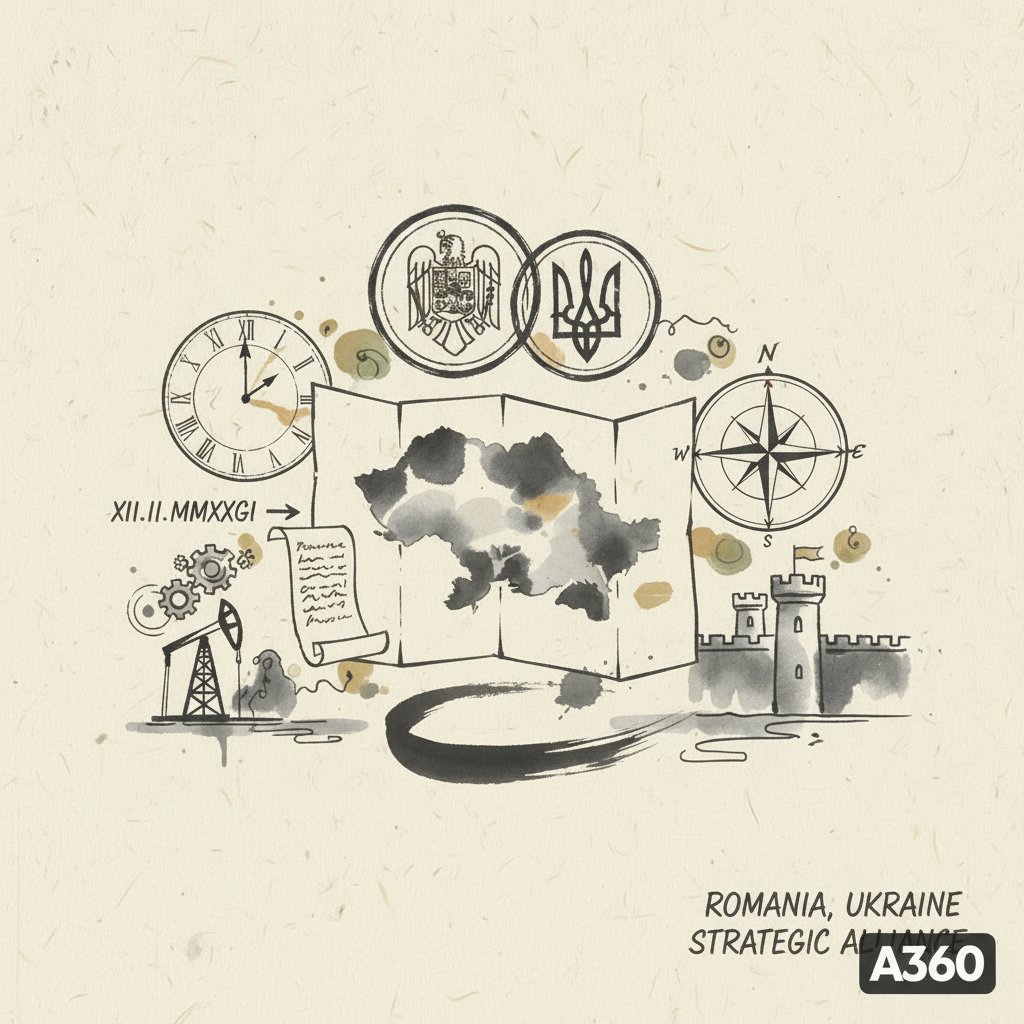
Romania and Ukraine formally elevated their bilateral relationship to a strategic partnership on March 12, 2026. This development occurred during Ukrainian President Volodymyr Zelenskyy's official visit to Bucharest, marking a significant step in regional cooperation. The newly signed Strategic Partnership Declaration encompasses several critical areas, including defense, energy, economic collaboration, education, and the protection of minority rights.
This agreement underscores Romania's proactive stance in regional security and defense, particularly following the inauguration of President Nicușor Dan in May 2025. A central component of the enhanced partnership is a joint initiative for drone production within Romania.
This project, estimated to receive €200 million in funding from the SAFE program, aims to combine Ukraine's combat-proven technological insights with Romania's industrial capabilities, NATO membership, and access to European defense financing.
Defense and Security Integration
The defense aspect extends beyond drone manufacturing. Just one day prior to President Zelenskyy's visit, the Romanian Parliament approved the deployment of additional U.S. military assets to its territory. These capabilities include aerial refueling aircraft and advanced satellite communication systems, further integrating Romania into broader Western defense structures and enhancing its strategic importance within NATO.
Energy Cooperation and Infrastructure
Energy collaboration constitutes another foundational pillar of the new partnership. Romania has been a consistent supporter of Ukraine's energy infrastructure since late 2022, facilitating power exports and supplying essential spare parts for grid repairs. Ukrainian energy firms, such as DTEK, are actively expanding their operations in Romania, with ambitions to develop a one-gigawatt renewable energy portfolio by 2030.
Plans are also in motion to accelerate electricity interconnections between the two nations and to expand gas transportation routes. This includes advancing the Vertical Corridor project, which aims to transport natural gas from Greece through Romania to Ukraine. These initiatives position Romania as a crucial energy hub and a vital conduit for Ukraine's post-conflict reconstruction efforts, strengthening regional energy security and diversification.
Economic and Social Dimensions
Beyond defense and energy, the declaration emphasizes broader economic cooperation, aiming to foster trade and investment between the two countries. Educational exchanges and the protection of minority rights are also integral to the agreement, reflecting a comprehensive approach to bilateral relations. This strategic alignment is expected to deepen political ties and enhance stability in the Black Sea region, addressing shared security concerns and promoting economic resilience.
Regional Geopolitical Context
The deepening partnership between Romania and Ukraine occurs within a complex geopolitical landscape, marked by ongoing conflict and a heightened focus on European security. Romania's role as a NATO frontline state and its commitment to supporting Ukraine are central to its foreign policy objectives.
The agreements signal a long-term commitment to mutual support and regional integration, leveraging Romania's position as an EU and NATO member to facilitate Ukraine's resilience and eventual recovery. The joint initiatives are designed to create lasting infrastructure and defense capabilities that benefit both nations and contribute to broader European stability.
Implications
Country Impact: Romania solidifies its role as a key regional player in defense and energy, enhancing its strategic importance within NATO and the EU. Ukraine gains critical support for its defense industry and energy infrastructure, bolstering its resilience.
Industry Impact: The defense sector in Romania is set to expand with joint drone production, attracting investment and technology transfer. The energy sector will see increased cross-border infrastructure development and renewable energy investments.
Market Impact: Increased stability and defense spending in the region could positively impact defense contractors. Energy market participants may see new opportunities in infrastructure projects and renewable energy development, particularly along the Vertical Corridor.