USMCA Review: US-Canada Trade Talks Face Hurdles
The U.S. faces resistance from Canada in USMCA trade talks, with Ambassador Hoekstra noting a lack of progress since October.
Lauren Collins ·
The United States is encountering significant challenges in its trade discussions with Canada regarding the upcoming review of the U.S.-Mexico-Canada Agreement (USMCA). U.S. Ambassador to Canada, Pete Hoekstra, indicated on Thursday that substantive negotiations with Ottawa have not progressed since October, despite a critical July 1 review deadline for the trade pact.
Ambassador Hoekstra, speaking in Toronto, emphasized that while the USMCA has largely performed as intended, the lack of recent engagement with Canada presents "headwinds" for the U.S. objective of renewing the agreement. He urged Canada to consider reducing tariff rates to improve market access and to dismantle existing non-tariff trade barriers.
Bilateral Economic Priorities
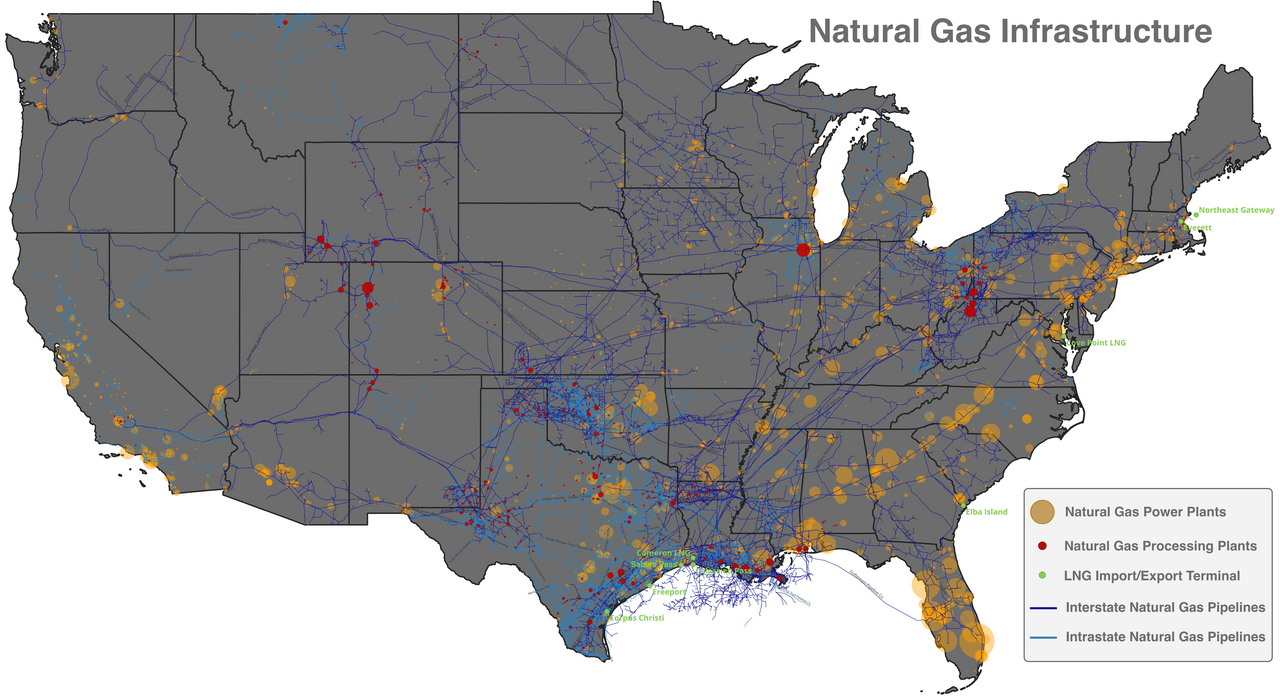
Beyond the immediate trade agreement review, the U.S. has also highlighted areas for deeper bilateral economic cooperation. Hoekstra specifically mentioned the energy sector, noting the substantial volume of Canadian oil and natural gas imported by the United States. This suggests a desire for enhanced collaboration in energy security.
Furthermore, the U.S. envoy advocated for Canada to establish a strategic stockpile of critical minerals and develop robust supply chains for these resources. This initiative aims to strengthen the partnership between the two nations in a sector vital for modern technologies and national security.
Canadian Response and Future Engagement
In response to the U.S. position, Canadian Minister Dominic LeBlanc, who oversees Canada-U.S. trade relations, reaffirmed Canada's dedication to fostering a new economic and security relationship with the United States. LeBlanc's office communicated that the Minister anticipates further discussions with both American and Mexican officials.
These engagements are expected to occur during the scheduled trilateral and bilateral reviews of the USMCA. The upcoming July 1 review marks a significant juncture for the agreement, which replaced NAFTA in 2020, and will assess its effectiveness and potential areas for modification or renewal.
Context of USMCA Review
The USMCA, which came into effect on July 1, 2020, includes a provision for a six-year review, with the first such review scheduled for July 1, 2026. This mechanism allows the three signatory countries—the United States, Mexico, and Canada—to assess the agreement's performance and address any emerging issues. The current discussions are part of the preparatory phase for this formal review process.
The agreement aims to modernize trade relations, particularly in areas like digital trade, intellectual property, and labor standards, while maintaining tariff-free access for most goods. The ongoing dialogue underscores the complexities of managing a major trade pact between closely integrated economies.
Implications
Country Impact: The ongoing trade discussions could influence Canada's economic policy, particularly regarding tariff structures and critical mineral development. For the U.S., successful negotiations are crucial for maintaining stable trade relations with its largest trading partner.
Industry Impact: Industries reliant on cross-border trade, such as agriculture, energy, and manufacturing, face potential shifts in market access and regulatory frameworks. The critical minerals sector could see increased investment and strategic development in Canada.
Market Impact: Uncertainty surrounding the USMCA review could introduce volatility in currency markets and impact investor confidence in North American trade-dependent sectors. Progress or stagnation in talks will be closely watched by global markets.