US, Cuba Confirm Bilateral Deal Discussions
The U.S. and Cuba confirm ongoing bilateral discussions, with President Trump suggesting a deal is easily achievable amid Cuba's economic crisis.
Lauren Collins ·
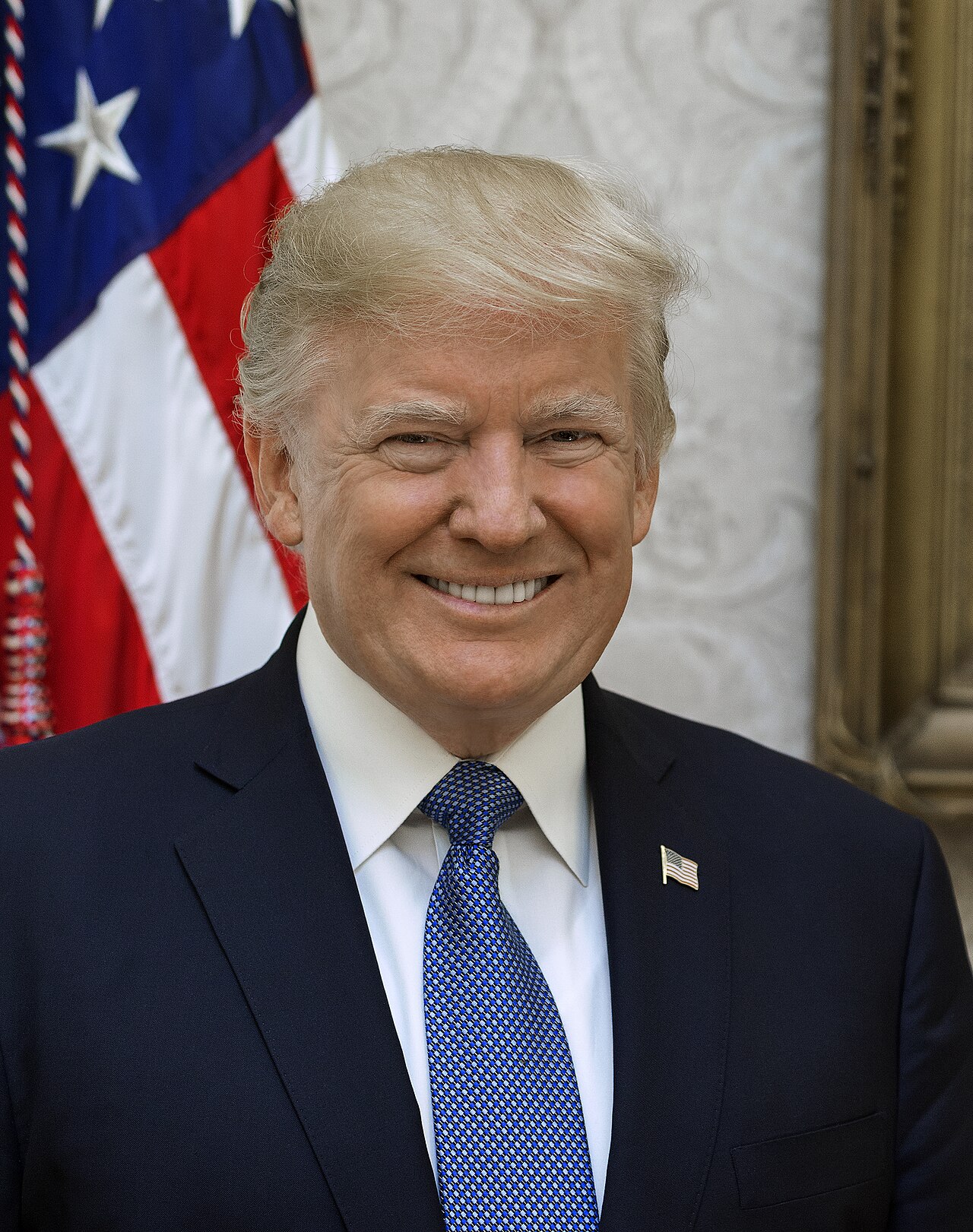
The United States and Cuba have confirmed ongoing discussions aimed at resolving bilateral issues, with U.S. President Donald Trump indicating on Friday, March 13, 2026, that an agreement could be readily achieved. This follows an earlier statement from Cuban President Miguel Diaz-Canel, who acknowledged Havana's initiation of negotiations with Washington. The dialogue unfolds amidst severe economic challenges in Cuba, exacerbated by U.S. sanctions.
President Trump's remarks underscored his belief in the feasibility of a swift resolution. A White House official, speaking anonymously, corroborated the President's position, noting that Cuban leadership should pursue a deal that the President views as easily attainable. President Diaz-Canel emphasized that these negotiations are intended to address existing differences between the two nations through diplomatic channels.
Escalating US Pressure on Cuba
Washington has intensified its pressure on Cuba since January, particularly after the capture of Venezuelan President Nicolas Maduro. Venezuela has historically served as Cuba's primary foreign benefactor, providing crucial economic support. This increased pressure includes measures such as disrupting Venezuelan oil deliveries to Cuba and threatening tariffs on other nations that supply oil to the island.
Cuba's Economic Crisis Deepens
Cuba is currently grappling with a significant economic downturn. Citizens are experiencing extended power outages, stringent fuel rationing, and shortages of essential medicines. A White House official described Cuba as a "failing nation," severely affected by the reduction in Venezuelan aid and the cessation of oil shipments from Mexico. These economic hardships provide a backdrop to the current diplomatic overtures.
Previous US Stance and Future Outlook
S. administration's firm stance on Cuba's political and economic trajectory. The outcome of these talks remains uncertain, but their confirmation signals a potential, albeit complex, pathway for future bilateral relations.
Implications
Country Impact: For Cuba, these talks offer a potential avenue to alleviate severe economic pressures, particularly concerning energy and essential goods. For the U.S., successful negotiations could represent a diplomatic achievement in a long-standing geopolitical rivalry.
Industry Impact: The energy sector, particularly oil suppliers to Cuba, faces continued uncertainty due to U.S. tariff threats. Industries reliant on Cuban trade or investment will closely monitor the progress of these bilateral discussions.
Market Impact: Global markets may react to any significant developments, especially those impacting commodity flows or regional stability. The potential for eased sanctions could open new market opportunities, while continued tensions could sustain existing risks.