Jenrick Pledges £15,000 Tax-Free Allowance, Threatens Resignation
Robert Jenrick announced a plan to raise the personal tax-free allowance to £15,000, promising to resign within 100 days if the target is not met…
Mateo Fernandez ·
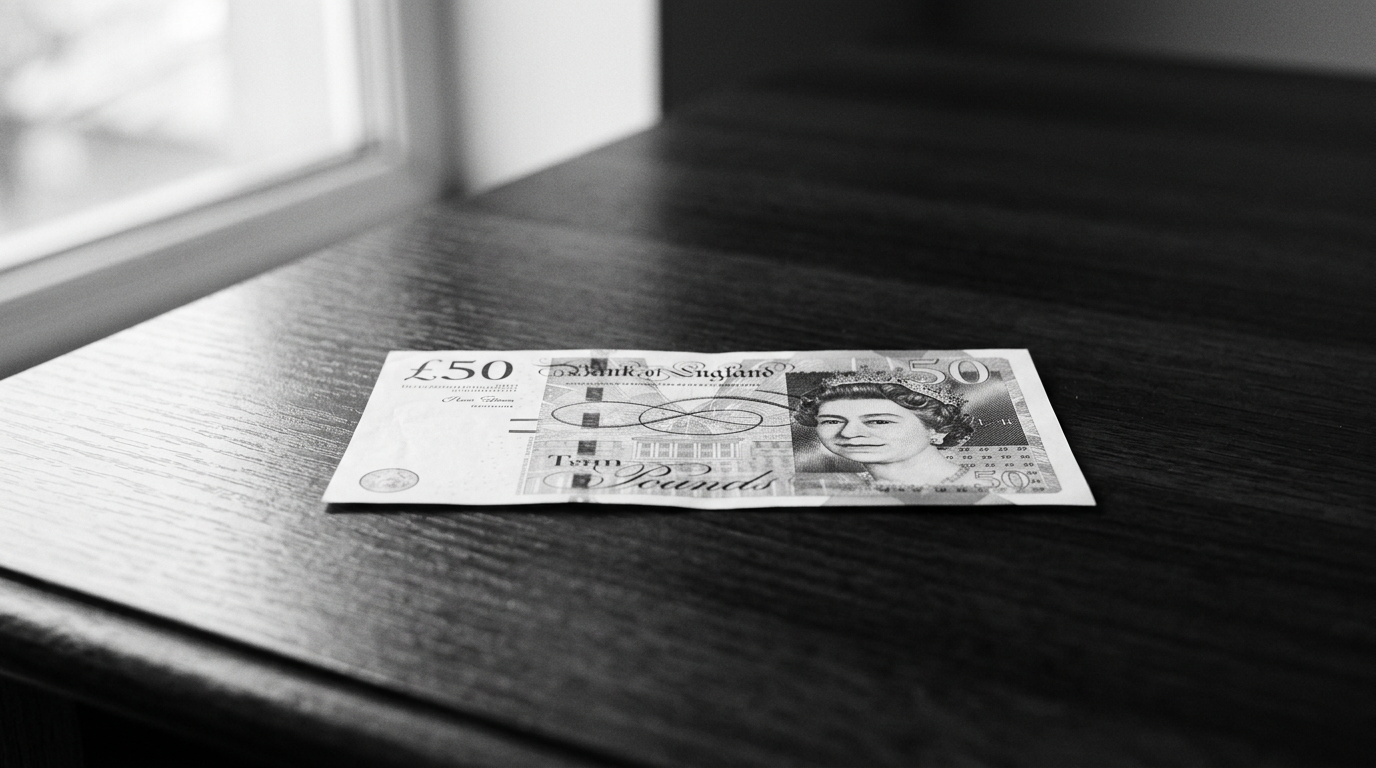
Robert Jenrick has put forward a proposal to increase the tax-free personal allowance to £15,000, a move he says would reduce the tax burden for millions of individuals. This pledge is linked to a challenging 100-day delivery timeline, which Jenrick stated he would uphold by resigning if the commitment remains unfulfilled. He also indicated that he would assume the role of Chancellor if Nigel Farage secures victory in the upcoming general election.
Proposed Tax Cuts and Political Ambition
Real GDP Growth2.1%USA 2026 — IMF (↑ prev: 2.0%)Inflation (CPI)2.4%USA 2026 — IMF (↓ prev: 2.7%)Unemployment Rate4.1%USA 2026 — IMF (↓ prev: 4.2%) The proposed increase in the personal allowance forms a central part of an early policy agenda. Jenrick emphasized that this initiative aims to provide direct financial relief to a significant portion of the population. His declaration to step down if the is not achieved within 100 days of a potential Farage-led government taking power underscores the seriousness of his commitment. This public stance positions the tax allowance pledge as a key performance indicator for his hypothetical future role. Jenrick's statement about becoming Chancellor under a Nigel Farage administration adds a distinct political dimension to the economic proposal. It links the tax policy directly to a specific political outcome, setting clear expectations for both voters and financial markets regarding the potential direction of UK fiscal policy should such a government come to fruition. Market Implications and Funding Questions Financial analysts are closely monitoring Jenrick's headline promise, noting its potential to influence market sentiment regarding UK fiscal policy and the value of sterling. Experts suggest that the precise reaction from markets will heavily depend on the mechanisms used to fund this tax reduction and its exact implementation timeline.
Economists have highlighted two primary scenarios
for how such a tax cut could affect the economy.
If the reduction in tax revenue is covered by increased government borrowing, there is a possibility that gilt yields could rise. This, in turn, might exert downward pressure on the British pound. Conversely, if the tax cut is balanced by corresponding spending reductions or alterations to the tax base, the immediate impact on foreign exchange markets could be more subdued.
Investors are expected to pay close attention to the 100-day period outlined by Jenrick, which would commence following the establishment of any government led by Nigel Farage. During this timeframe, market participants will seek clarity on how the proposed tax changes would be financed and subsequently executed, as these details are crucial for assessing financial stability and investment risk.