Ghost Cars: UK's Missing Owner Data Threatens Road Safety
UK vehicles missing owner records: DVLA data shows 18,260 tied to its address, raising concerns over enforcement and road safety.
Cuneyd Erdogan ·
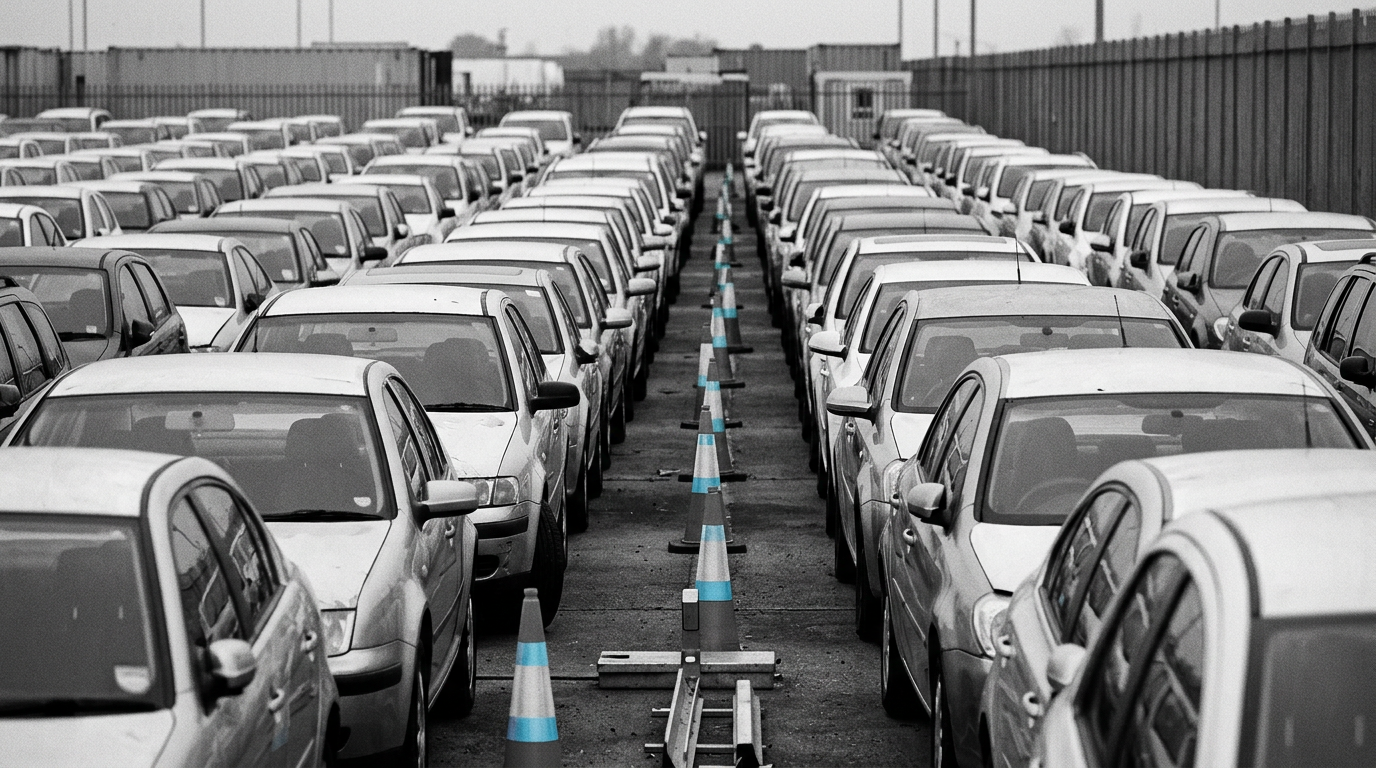
More than 18,000 vehicles in the United Kingdom are being used without proper owner address records , according to information released through a freedom of information request to the Driver and Vehicle Licensing Agency (DVLA). Labour MP Sarah Coombes drew attention to the issue, describing it as a growing problem involving “ghost owners” who can avoid being held responsible for driving-related offences.
DVLA data cited in the disclosure shows 18,260 vehicles recorded as registered to the DVLA’s own address, which indicates the agency does not have a usable location for the vehicle owners. The British Parking Association, which submitted the freedom of information request, said the scale of untraceable vehicles is likely larger than the DVLA figure suggests.
According to the British Parking Association, 10% to 20% of ownership data requests produce no match. The association’s figures point to practical limits on tracing responsibility when enforcement bodies, parking operators, or other parties seek to identify a registered keeper and the system returns no result.
The source material links the problem to multiple methods used to evade identification. It includes vehicles using cloned number plates, and it references an investigation last year that found over 130 registered suppliers were willing to sell plates that could support cloning. Another technique described involves “ghost plates” that use reflective coatings designed to reduce the effectiveness of camera-based detection.
Coombes has called for tighter controls on number plate suppliers. She noted there are over 34,000 registered suppliers and that registration can be obtained for a £40 fee without background checks, according to the details provided. The source also states the DVLA has not issued fines for failing to update an address in the last five years, which Coombes and others argue leaves a gap in accountability.
In the source account, the consequences extend beyond administrative accuracy. It says the lack of reliable keeper information can contribute to speeding going unpunished, complicate investigations into hit-and-run incidents, and support other criminal activity, with broader effects on road safety. The same account also links the issue to the potential for higher insurance premiums, reflecting the costs that can arise when risk and losses are harder to manage.