RFK Campus draft puts 6,500 homes at stadium site in DC
The RFK Campus plan outlines a $3.8 billion Commanders stadium and mixed-use district, with public comments due Aug. 14.
Sophie McAlister ·
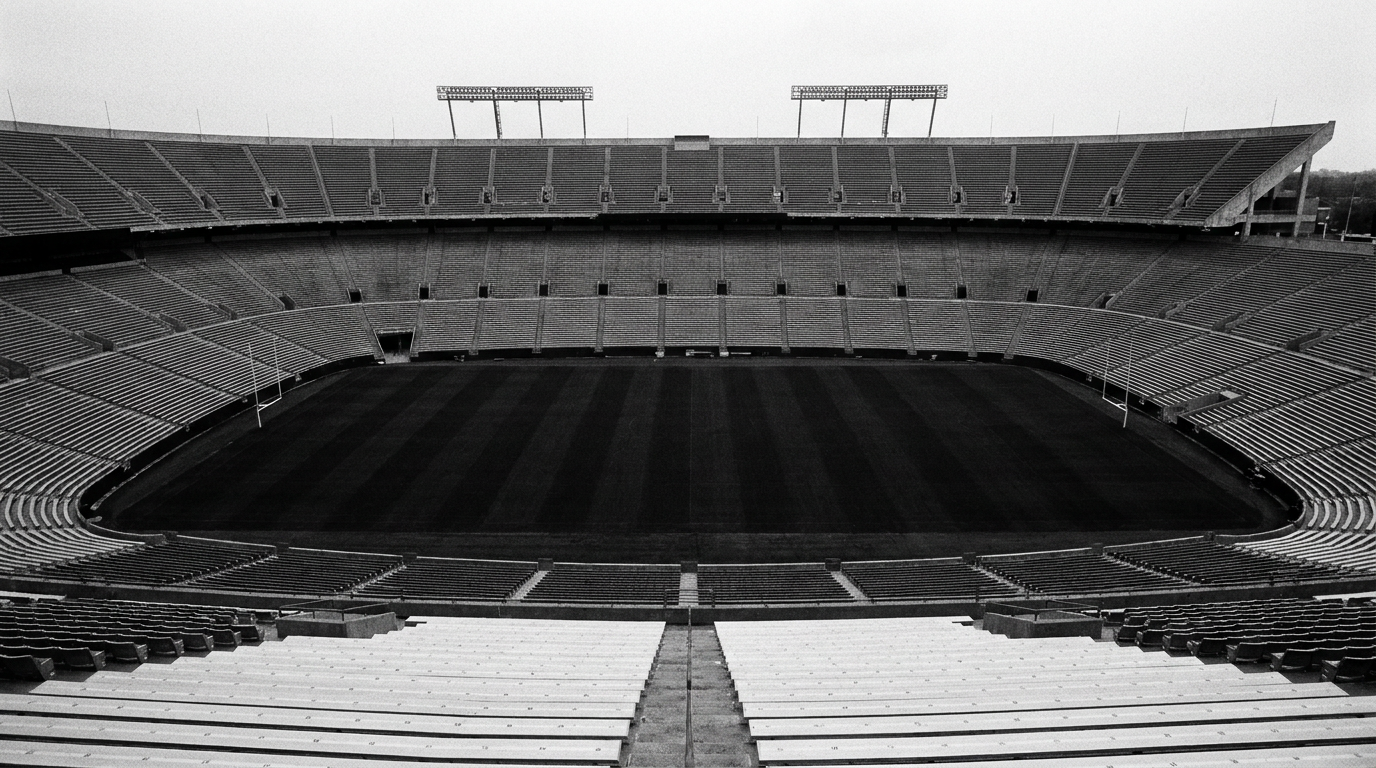
The RFK Campus plan puts housing, hotels, retail and a $3.8 billion Commanders stadium into a 2030 vision for the 180-acre site.
The draft master plan, released July 1, 2026, sketches a sports and entertainment district around the Commanders' proposed new home. Its public comment period runs for six weeks, closing Aug. 14, giving District residents and civic groups a defined window to press for changes before the plan advances.
The numbers make the RFK Campus proposal one of the largest civic development questions facing DC. The draft describes up to 6,500 homes, with 30% designated affordable, alongside about 260,000 square feet of retail space and 1,200 hotel rooms.
July 1 draft sets scale
The stadium is listed at roughly $3.8 billion and targeted to open in 2030. The team would put in about $2.7 billion, while DC would contribute more than $500 million for infrastructure tied to the site.
The plan also includes roughly 2,000 jobs and up to 8,000 parking spaces. Over 30 years, the draft projects $4 billion in tax revenue, a figure that will likely become central to public debate over whether the District's infrastructure commitment is justified.
For residents arriving cold to the issue, the 180-acre site is not just a stadium parcel. The draft frames it as a mixed-use campus where football, housing, hotels, restaurants and parking would operate as one economic district rather than as a stand-alone venue.
Public money meets team financing
The financial split places the largest construction burden on the Commanders, based on the figures in the draft. DC's role is focused on infrastructure, which can include the public systems needed to support private development and event-day demand.
That distinction matters because stadium finance debates often turn on what taxpayers fund and what a team funds directly. Here, the draft presents the District's contribution as enabling work around the site, while the team carries the larger stadium-specific cost.
The housing component broadens the policy stakes beyond football. If the draft's 6,500-home ceiling holds, the 30% affordability target would make housing supply and affordability part of the same conversation as sports, tourism and municipal revenue.
The hotel and retail pieces would pull the project deeper into DC's visitor economy. A plan with 1,200 hotel rooms and 260,000 square feet of retail depends on steady foot traffic beyond game days, which is why the campus concept matters as much as the stadium opening date.
Scenarios for the 180 acres
If public comments leave the main framework intact, the project would move ahead with a clearer link between infrastructure spending and long-term tax recovery. At the macro level, the effect would be local rather than global, but it would direct large capital spending into construction, hospitality and services in the District.
For the Commanders, that path would preserve the 2030 stadium timeline as the organizing date for financing, construction and commercial planning. For the sports and entertainment sector, it would add another example of a team anchoring a broader real estate district rather than simply building a venue.
If the comment process pushes material changes to housing, parking or affordability terms, the mechanism changes. More housing or deeper affordability requirements could alter the economics of the campus; more constraints on parking could reshape event access and the retail model.
A third path is delay, if public feedback, cost questions or infrastructure planning slow the approvals that follow the draft. That would affect the Commanders by compressing the 2030 timeline, the District by postponing tax-revenue expectations, and the wider stadium industry by reinforcing how civic review can shape even heavily financed projects.
The next formal marker is Aug. 14, when the public comment period closes. Until then, the open questions are specific: whether the housing mix survives, how infrastructure costs are defended, and whether the projected $4 billion in 30-year tax revenue remains persuasive to District decision-makers.