Russia threatens Germany and Finland in nuclear warning
Russian officials escalated nuclear rhetoric toward two NATO states, raising the risk of a sharper alliance response.
Mateo Fernandez ·
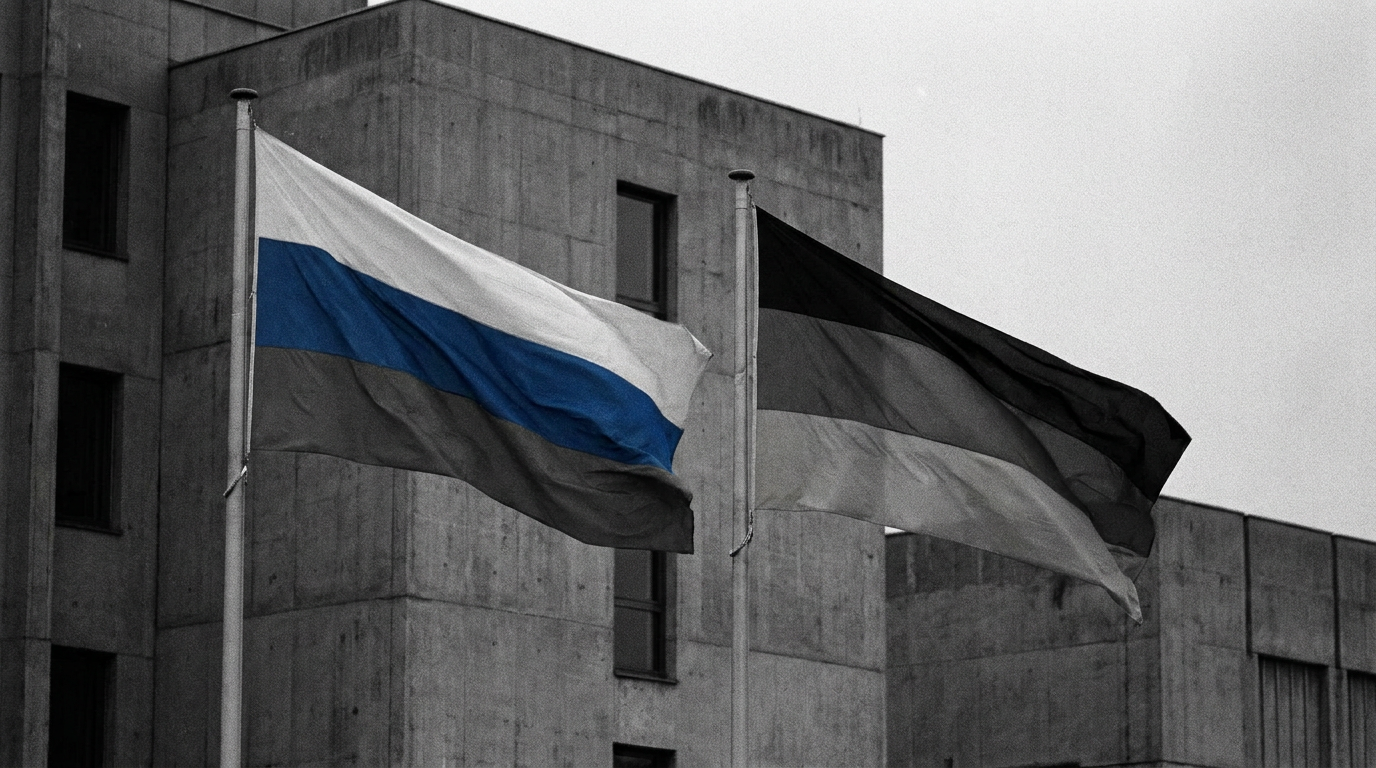
Russian officials issued a nuclear warning toward Germany and Finland on Thursday, using language that intensified an already volatile standoff between Moscow and NATO members. Reaction in major markets was not immediately available.
The warning matters because Germany is Europe’s largest economy and Finland shares a long border with Russia. Any direct threat against either state raises the diplomatic temperature inside NATO and can feed demand for haven assets if investors judge the rhetoric as more than political signaling.
NATO states face Moscow threat
The available details did not identify the official who made the statement or the policy trigger behind it. That limits what can be stated as fact beyond the core event: Russian officials directed a nuclear threat at Germany and Finland, both members of the transatlantic alliance.
The mechanism for market stress is
political rather than immediate economic damage.
If the threat remains rhetorical, the global macro effect is likely
to run through risk sentiment, defense spending expectations and energy-security premia rather than trade flows. If Moscow ties the warning to deployments, exercises or border activity, the pressure point shifts to European security pricing.
For Germany and Finland, the direct effect is a higher burden on governments to show deterrence without accelerating escalation. For the wider defense sector, sharper rhetoric can reinforce demand for air defense, surveillance, munitions and cyber capabilities.
The immediate test comes by July 3, 2026: if Berlin, Helsinki or NATO issues a coordinated response, the episode could harden alliance messaging; if they avoid escalation, markets may treat it as another round of coercive rhetoric.