Iran threatens Hormuz closure as US tensions rise
Iran warned it could close the Strait of Hormuz and expand target strikes, raising geopolitical risk around a critical oil route.
Mateo Fernandez ·
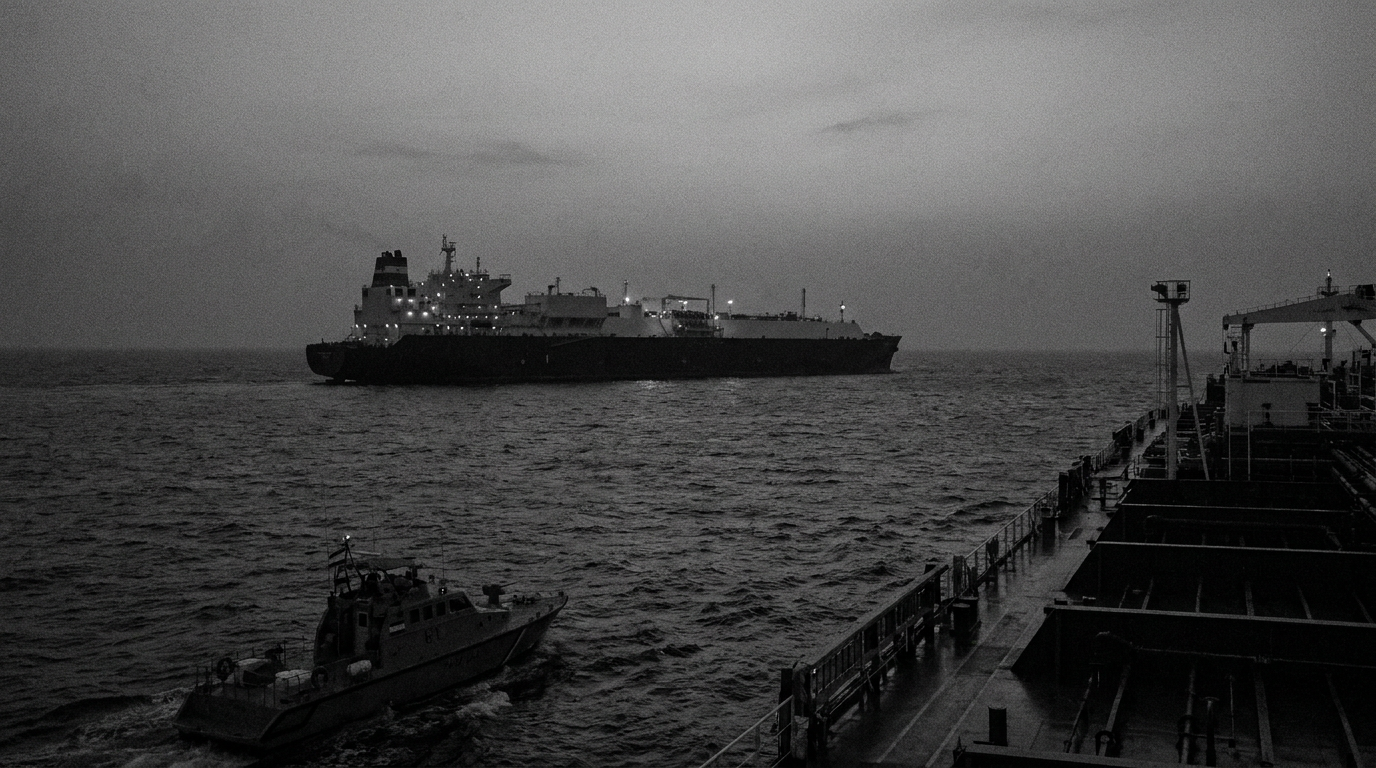
Iran threatened on Wednesday to close the Strait of Hormuz and strike "twice the number of targets" as tensions with the US intensified, according to officials. Reaction pending, with traders likely to focus first on crude, shipping risk and regional security headlines.
The warning matters because Hormuz is a strategic maritime chokepoint for energy flows from the Gulf. A disruption threat can feed quickly into oil pricing, insurance costs and risk appetite even before any physical interruption occurs.
Hormuz threat raises oil risk
Officials said the developments of the past 48 hours showed Iran would not back down over Hormuz. The message signals that Tehran is trying to raise the cost of further confrontation by linking military escalation to a waterway central to global energy trade.
If the threat remains rhetorical, the global effect may be limited to a risk premium in oil and defensive positioning across exposed assets. If Iran attempts to restrict traffic, the mechanism changes: higher freight and insurance costs, delayed cargoes and pressure on importers could push inflation expectations higher.
For Iran, the threat may strengthen deterrence in the short term but raises the risk of a wider military response if shipping is affected. For energy markets, the key uncertainty is whether commercial flows continue without interruption.
The next test comes over the next 24 hours, through July 9, 2026, when officials, naval movements and shipping advisories will show whether the warning is being used as leverage or turning into operational risk.