DC restaurants face record closures after 2025 strain wave
DC restaurants saw 92 closures in 2025 as office gaps, wage changes and enforcement fears deepened pressure on the sector.
Sophie McAlister ·
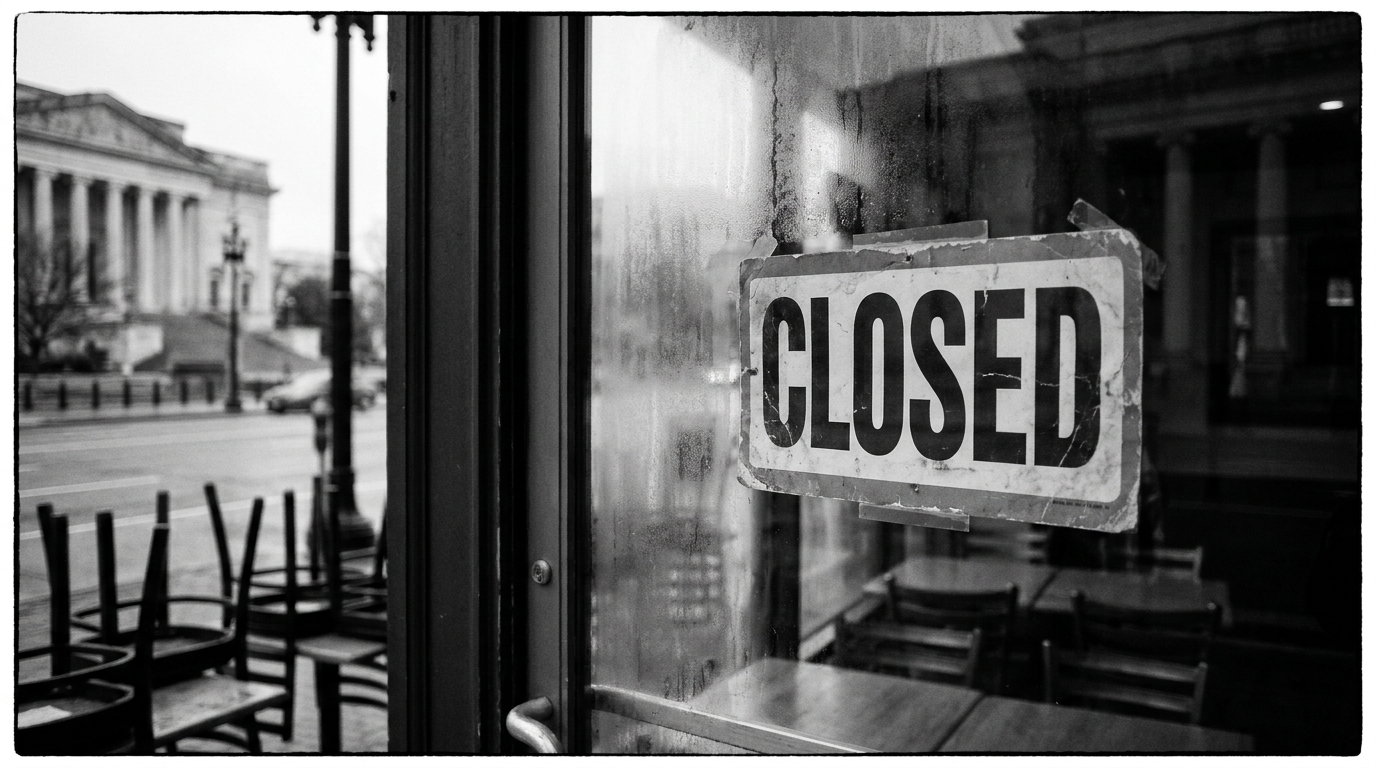
DC restaurants closed at a record pace in 2025, with 92 shutdowns reported by the regional trade group. Core neighborhoods bore the strain.
Ninety-two closures set record
The Restaurant Association Metropolitan Washington said the District’s restaurant sector ended the year with more closures than in recent recent years. The group reported 92 closures in 2025, up from 73 in 2024 and 48 in 2022.
RAMW CEO Shawn Townsend framed the losses as a civic issue, not only a business one. He warned that "Restaurants that middle-class families have long depended on are disappearing."
The figures point to a sector still struggling to reset after years of uneven demand patterns in the city’s commercial core. Restaurants built around lunch traffic, evening office crowds and visitor spending face a different market when downtown routines do not fully return.
Downtown blocks carry losses
Downtown, Chinatown and Penn Quarter were identified as the hardest-hit areas. Those corridors depend heavily on workers, tourists, eventgoers and federal employees who can turn a quiet weeknight into a viable service.
The pressures cited by restaurant operators and the trade group include federal layoffs, empty offices, Initiative 82 tipped-wage increases and fears tied to immigration enforcement. Each pressure moves through the business differently: fewer workers reduce daytime sales, labor changes affect payroll math, and enforcement fears can keep both staff and customers away.
Chef José Andrés publicly challenged claims that safety alone explains the closures. In an Aug. 25 post on X, he wrote, "I've lived here for 33 years, and it's a flat out lie that half the restaurants have closed because of safety…but restaurants will close because you have troops with guns and federal agents harassing people…making people afraid to go out."
That statement turned the restaurant debate into a broader argument over the public feel of the city. For operators, perception can matter almost as much as reported conditions because dining is discretionary and neighborhood confidence affects reservations, staffing and late-night foot traffic.
Initiative 82 meets empty offices
Initiative 82 sits near the center of the cost debate because it changes tipped-wage obligations for employers. The source material does not provide restaurant-level payroll data, so the measurable point is narrower: operators are citing the policy as one pressure alongside weaker demand.
The office issue is easier to trace through sales patterns, even without a fresh occupancy figure. A restaurant near federal buildings or downtown hotels can lose revenue when lunch service thins, happy-hour groups shrink or workers leave the area before dinner.
The sector effect reaches beyond individual dining rooms. When a restaurant closes, suppliers, landlords, delivery workers, nightlife venues and nearby retailers can all lose part of the traffic ecosystem that keeps a commercial block active.
Three paths for 2026
If office traffic stabilizes and enforcement fears ease, the macro effect would be local rather than global: more predictable service-sector demand in the nation’s capital. For DC restaurants, that would help operators plan staffing and inventory, while the wider hospitality sector could regain some weekday rhythm.
If closures continue at the 2025 pace, the city’s commercial corridors could see a weaker small-business base and less evening activity. For a typical independent restaurant, that path would mean tighter cash flow and harder lease decisions, while landlords and suppliers would face a thinner customer base.
If wage costs rise while customer counts stay uneven, the pressure shifts from sales to margins. The open questions are whether downtown demand improves, how federal employment changes affect neighborhood traffic, and whether public confidence around enforcement and safety returns quickly enough to slow another wave of closures.