Gaza war reaches 1,000 days as toll rises
Gaza reached 1,000 days of war as casualty figures climbed and a proposed Israeli security-zone expansion drew UN concern.
Mateo Fernandez ·
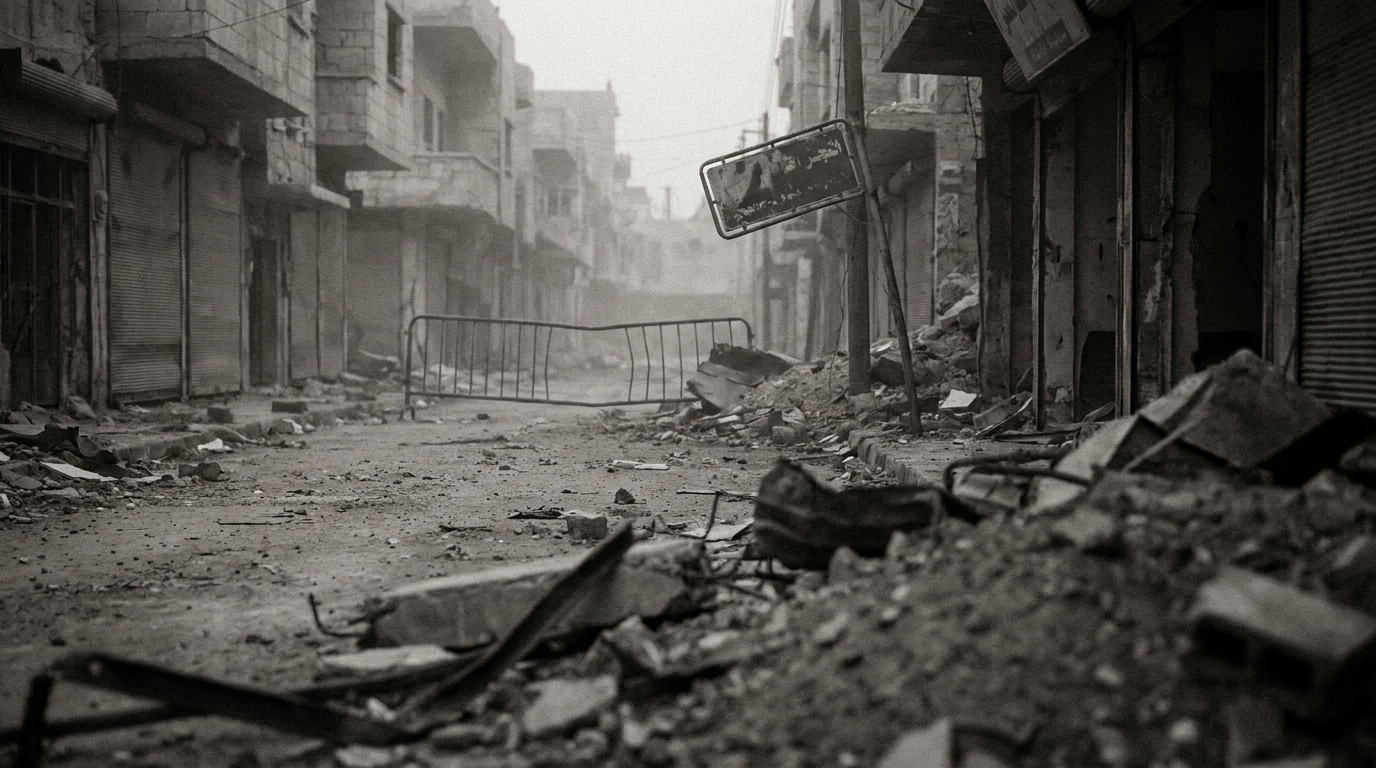
Gaza reached 1,000 days of war on July 2, 2026, with more than 2 million residents still living under the consequences of Israel’s military campaign after Hamas’s October 7 attacks. Reaction pending. Data showed more than 73,000 people have been killed and many more wounded, including after the October 2025 ceasefire.
The conflict remains a central geopolitical risk for the Middle East, with humanitarian access, Israeli security policy and regional diplomacy all tied to conditions inside the Gaza Strip. Officials said civilian risks have increased as Israel weighs a broader security footprint.
Netanyahu security-zone plan
Benjamin Netanyahu is seeking to expand Israel’s security zone in Gaza so that it would cover 70% of the territory, according to the payload. The UN has warned that the plan is increasing danger for civilians and further limiting humanitarian operations.
If the expanded zone proceeds, the macro effect would likely be a higher regional-risk premium as governments manage pressure over aid, borders and diplomatic alignment. For Israel, the policy could deepen security control but raise political and legal scrutiny. For the wider region, aid agencies and neighboring states would face tighter operating conditions and a larger displacement burden.
If the plan is paused or narrowed, humanitarian access could improve at the margin, though the ceasefire’s durability would remain the main constraint. The next window to watch is the week ending July 10, 2026, when officials and aid groups will assess whether security-zone activity has expanded or been held back.