Republicans Block Iran Conflict Hearings in Congress
Congressional Republicans are resisting public hearings on the U.S. conflict with Iran, limiting transparency and oversight of foreign policy.
Lauren Collins ·
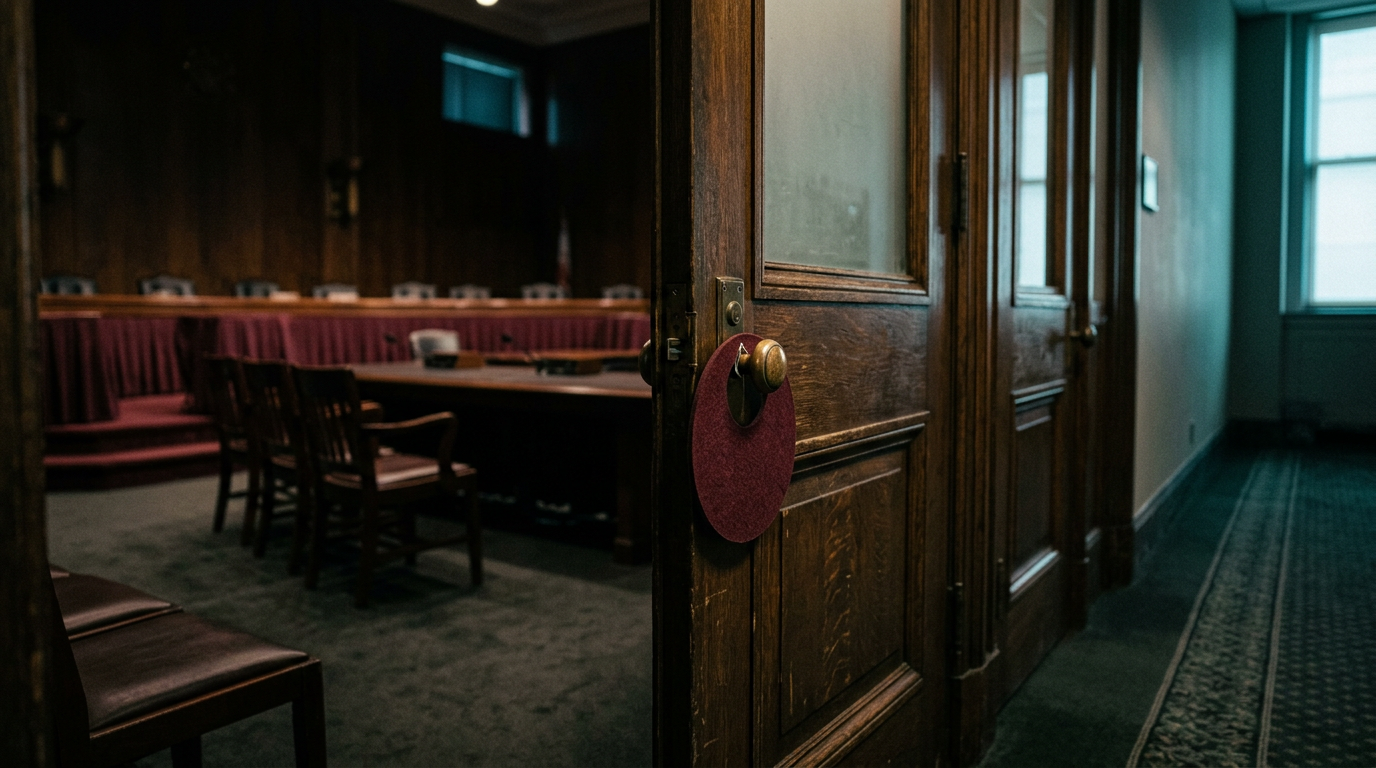
Congressional Republicans are currently opposing efforts to hold public hearings concerning the United States' involvement in the ongoing conflict with Iran. This stance has created a division within the U.S. legislature, as some Democratic members are actively advocating for increased transparency regarding the nation's strategy and engagement in the region. The refusal to conduct open hearings limits public and legislative oversight of military actions and diplomatic approaches.
Congressional Standoff on Iran Policy
The resistance from Republican lawmakers effectively prevents a detailed public examination of the U.S. government's rationale, objectives, and operational methods in relation to Iran. This legislative bottleneck means that critical information about the conflict's trajectory and its broader implications for national security and international relations remains largely confined to closed-door briefings.
Calls for Greater Transparency
Democratic members of Congress have emphasized the necessity of public hearings to foster a more informed public discourse and to ensure accountability for U.S. foreign policy decisions. They argue that open sessions are crucial for understanding the potential risks and long-term consequences of current strategies, particularly given the historical context of U.S. military engagements in the Middle East.
Impact on Public Understanding
The absence of public congressional hearings restricts the flow of information to the American populace, potentially hindering their ability to grasp the complexities of the U.S.-Iran dynamic. This lack of transparency can also impede the development of a consensus on future policy directions, as public debate relies heavily on accessible and verified information.
Historical Context of Oversight
Historically, congressional hearings have served as a vital mechanism for legislative oversight, allowing for expert testimony, public questioning of officials, and the presentation of diverse perspectives on foreign policy matters. Such proceedings are often instrumental in shaping public opinion and influencing subsequent legislative actions or executive branch adjustments to policy.
Implications for Future Policy
Without public scrutiny, the executive branch's actions regarding Iran may proceed with less external challenge, potentially leading to policy decisions that lack broad legislative or public backing. This situation underscores the ongoing tension between executive authority in foreign policy and congressional oversight responsibilities, particularly in matters of war and peace.
The debate over these hearings highlights fundamental disagreements on the appropriate level of public disclosure for sensitive national security issues.
Implications
Country Impact: The U.S. political landscape reflects a partisan divide on foreign policy oversight, potentially impacting the executive branch's latitude in managing international conflicts without broad legislative consensus. This could lead to domestic political friction over military engagements.
Industry Impact: Defense and intelligence sectors may face reduced public scrutiny over their operations and budgetary allocations related to the Iran conflict, potentially affecting future contracting and strategic planning. Energy markets could also be influenced by perceived stability or instability in the Middle East.
Market Impact: Global markets may react to perceived geopolitical instability or lack of clear policy direction from the U.S. regarding Iran, potentially influencing oil prices, defense stock valuations, and investor confidence in regional assets. Uncertainty regarding U.S. foreign policy can introduce volatility.