UK Rejects US Demands on Hormuz Deployment
The UK has asserted its independence from certain US demands regarding naval deployments in the Strait of Hormuz, amidst past criticisms from Donald Trump.
Lauren Collins ·
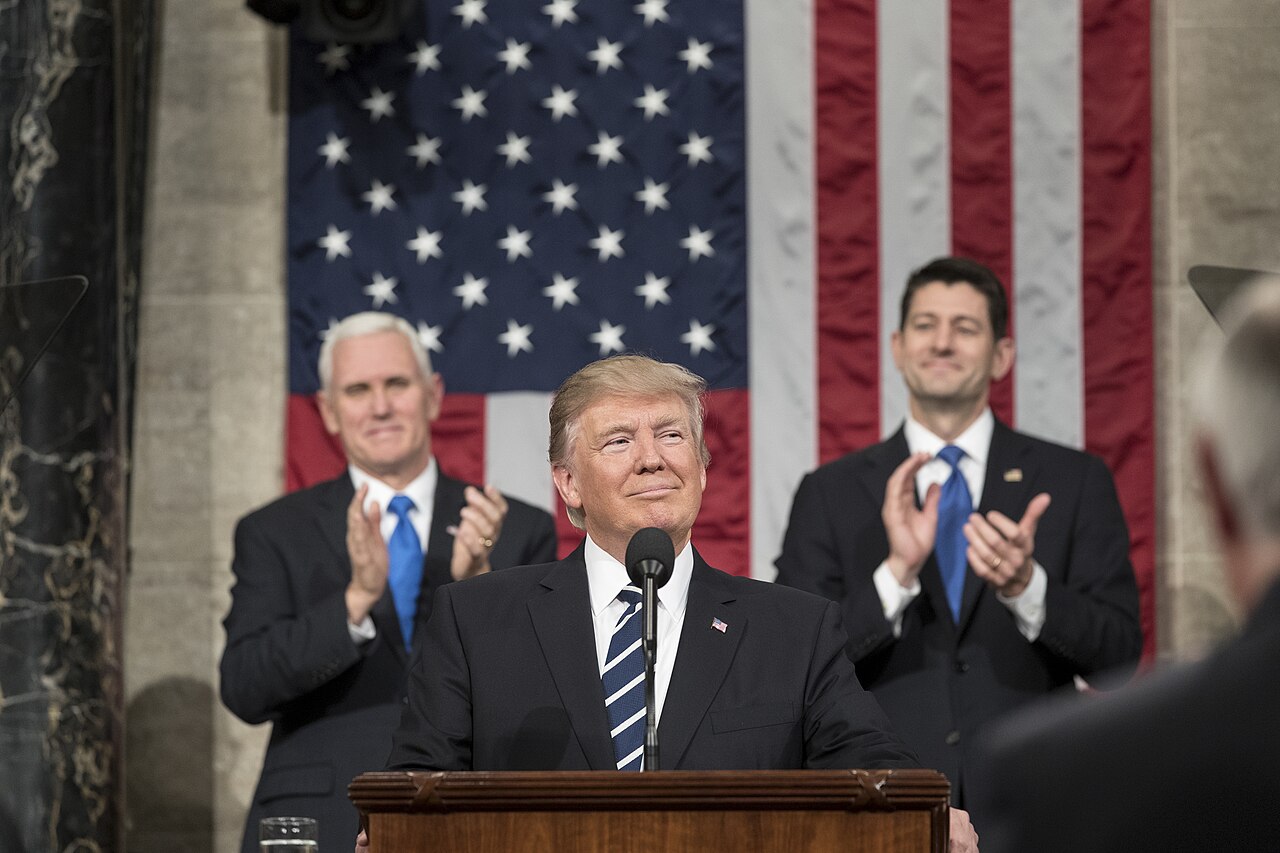
The United Kingdom has signaled its independence from certain United States foreign policy demands, particularly concerning naval deployments in the Strait of Hormuz. A senior UK minister, Pat McFadden, articulated that Britain is not bound to fulfill every request from Washington. This position emerges amidst past criticisms from former U.S. President Donald Trump regarding NATO allies' contributions to maritime security in the critical waterway.
Trump had previously expressed dissatisfaction with the UK's perceived reluctance to fully align with U.S.-Israeli strategies against Iran. His concerns specifically included the absence of British warships in the Strait of Hormuz, a vital shipping route that has experienced disruptions due to Iranian actions. McFadden, serving as the Work and Pensions Secretary, characterized Trump's previous administration as highly "transactional" in its international dealings.
UK-US Relationship Dynamics
Despite these differing perspectives on specific interventions, McFadden underscored the fundamental and enduring nature of the UK-U.S. relationship. This statement provides insight into the UK's strategy for managing its alliance with the U.S., particularly in the context of potential future administrations.
Former President Trump had previously suggested that a lack of compliance from NATO members with his demands could lead to a reduction in U.S. support for the alliance. Such statements have historically prompted European nations, including the UK, to re-evaluate their defense commitments and strategic autonomy.
Alternative Deployment Strategies
In response to the security challenges in the Strait of Hormuz, the United Kingdom is reportedly exploring alternative deployment options. Instead of traditional warships, there is consideration for deploying minesweeping drones. This approach aims to address security concerns while potentially mitigating the risk of further escalation in the region.
Prime Minister Keir Starmer's administration has reportedly sought to maintain positive relations with Donald Trump, including extending an invitation for a second state visit. However, the UK's broader foreign policy stance emphasizes supporting only defensive measures against Iranian aggression, aligning with international legal frameworks and domestic public opinion.
Geopolitical Context and Regional Stability
The Strait of Hormuz is a choke point for global oil shipments, making its security paramount for international trade and energy markets. Tensions in the region have frequently involved Iran, which has at times threatened to disrupt shipping in response to sanctions or perceived provocations. The UK's cautious approach reflects a desire to avoid exacerbating regional instability while upholding its commitment to international maritime law.
The broader geopolitical landscape in the Middle East, characterized by complex alliances and rivalries, necessitates a nuanced foreign policy from major global actors. The UK's position highlights a strategic balancing act between maintaining its alliance with the U.S. and pursuing an independent foreign policy that prioritizes de-escalation and adherence to international norms.
Implications
Country Impact: The UK's stance underscores its intent to pursue an independent foreign policy, potentially diverging from U.S. demands on specific military deployments. This could influence future bilateral defense cooperation and diplomatic engagements.
Industry Impact: The potential deployment of minesweeping drones instead of warships could signal a shift in naval defense strategies, impacting defense technology manufacturers and maritime security firms. Energy markets, reliant on the Strait of Hormuz, will watch for any changes in security posture.
Market Impact: While direct market impact is limited, the UK's independent stance could subtly influence investor confidence regarding geopolitical stability in the Middle East. Any perceived weakening of NATO cohesion, as implied by Trump's past remarks, could introduce minor risk premiums in global markets.