Trump Threatens Kharg Island Strikes Amid Escalation
U.S. President Trump threatens further strikes on Iran's Kharg Island, urging allies to secure the Strait of Hormuz amid escalating regional conflict.
Lauren Collins ·
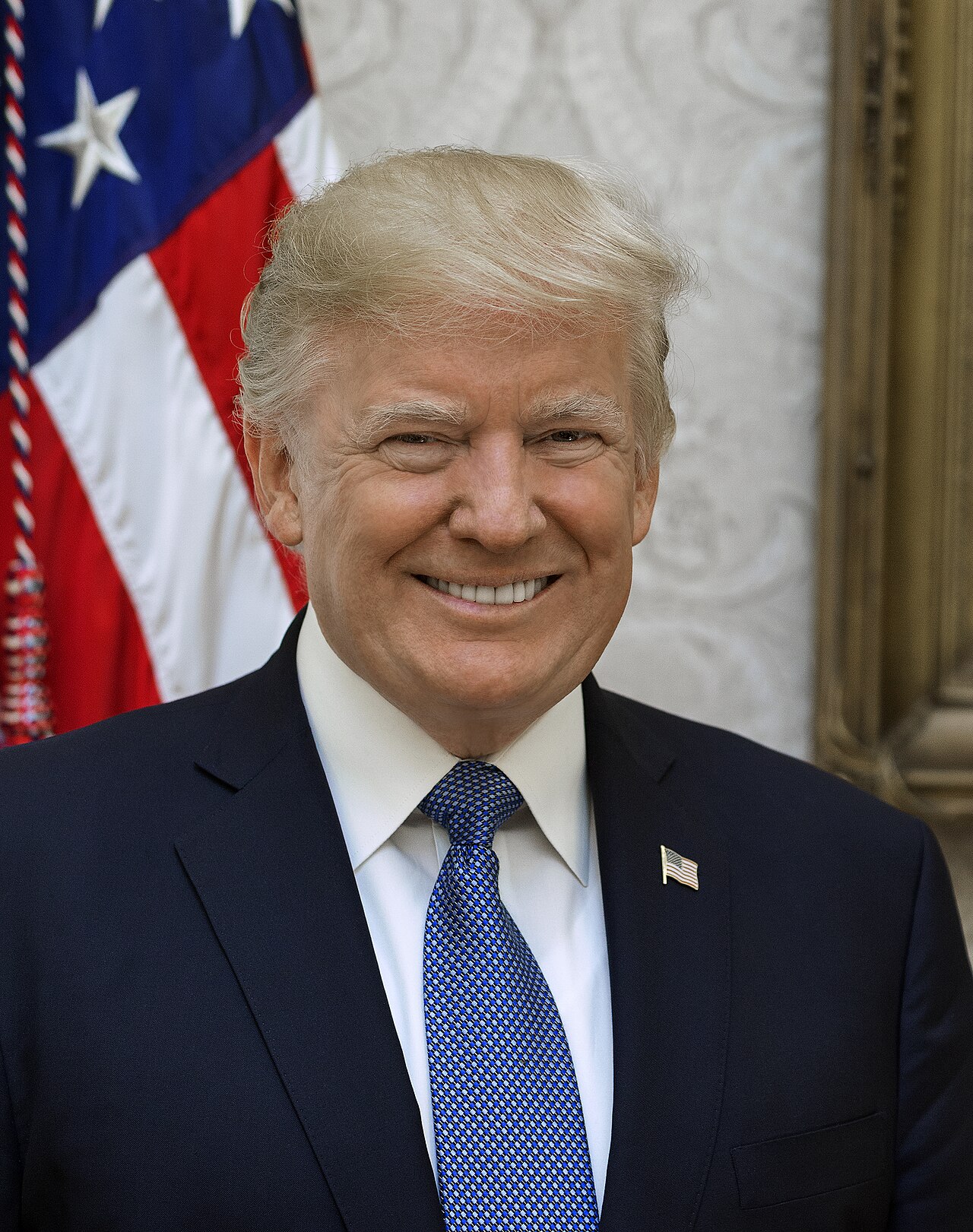
U.S. President Donald Trump indicated on Saturday, March 15, 2026, that further military actions against Iran's Kharg Island are possible. This statement follows previous U.S. operations that reportedly damaged significant oil export infrastructure on the island. President Trump also called upon allied nations to deploy naval assets to the Strait of Hormuz, a critical maritime chokepoint for global oil shipments.
This development occurs amidst heightened tensions in the region. Iran's Islamic Revolutionary Guard Corps (IRGC) launched missile and drone attacks on Sunday against targets in Israel and three U.S. military installations. The IRGC characterized these actions as initial responses to recent casualties within Iranian industrial zones.
Regional Conflict Intensifies
Earlier on Saturday, a missile strike on an industrial facility in Isfahan, Iran, resulted in at least 15 fatalities. This incident precedes the IRGC's retaliatory strikes, which Iran frames as a response to perceived aggression against its industrial infrastructure. The U.S. President's remarks to NBC News suggested a potential broadening of targets beyond previously stated military sites on Kharg Island.
International Reactions and Economic Impact
Iranian Foreign Minister Abbas Araghchi condemned the U.S. actions, labeling the ongoing conflict as an "illegal war." Araghchi affirmed Iran's intent to retaliate against any attacks targeting its energy facilities. The Strait of Hormuz, through which approximately one-fifth of the world's oil supply transits, has experienced significant disruptions due to the escalating conflict.
Strategic Importance of Kharg Island
Kharg Island serves as Iran's primary oil export terminal, making it a strategic asset for the nation's economy. Previous U.S. strikes have reportedly caused extensive damage to its oil infrastructure, impacting Iran's capacity for crude oil exports. The U.S. President's recent comments suggest a continued focus on this critical economic target.
Global Energy Market Concerns
The ongoing instability in the Persian Gulf region, particularly concerning the Strait of Hormuz, poses substantial risks to global energy markets. Disruptions to oil transit through this waterway can lead to significant price volatility and supply chain challenges worldwide. International efforts to de-escalate the situation remain a key focus for global stability.
Implications
Country Impact: The escalating conflict directly impacts Iran and Israel, with both nations experiencing direct attacks. U.S. military bases in the region are also targeted, raising concerns about broader regional stability and potential for wider military engagement.
Industry Impact: The global oil and gas industry faces significant uncertainty due to disruptions in the Strait of Hormuz. Increased geopolitical risk could lead to higher crude oil prices, impacting transportation costs and energy-intensive sectors worldwide.
Market Impact: Global financial markets are likely to react to increased geopolitical tensions, particularly in energy-related assets. Equity markets may experience volatility, while safe-haven assets like gold and government bonds could see increased demand.