NRC Warns of Escalating Middle East Displacement
The NRC warns of a severe displacement crisis in the Middle East, driven by US, Israeli, and Iranian conflicts, overwhelming aid efforts.
Lauren Collins ·
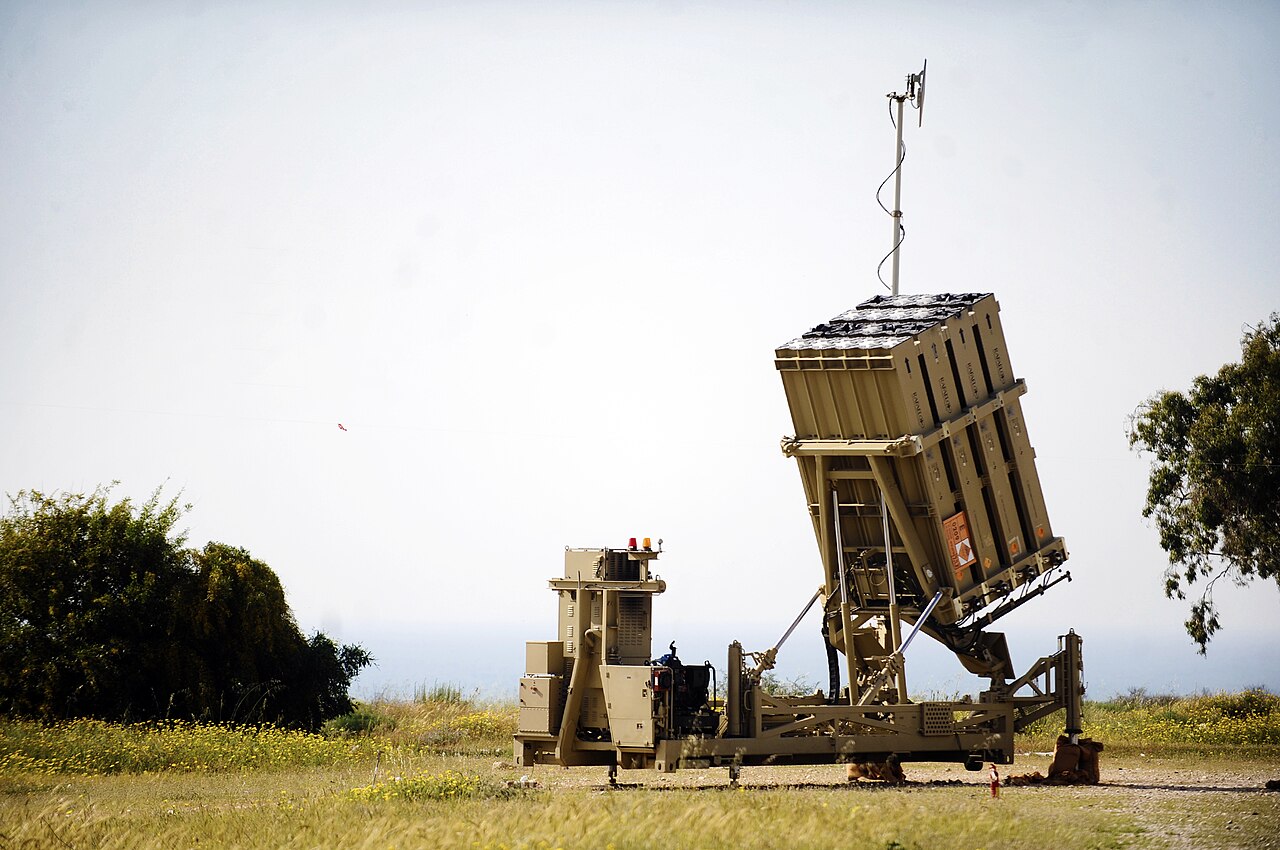
The Norwegian Refugee Council (NRC) has issued a stark warning regarding a burgeoning displacement crisis across the Middle East. Secretary-General Jan Egeland stated on March 15, 2026, that the escalating conflict dynamics involving the United States, Israel, and Iran are severely impacting civilian populations and overwhelming humanitarian aid operations.
Regional Humanitarian Strain
Civilians in several nations, including Iran, Lebanon, Gaza, and Sudan, are reportedly enduring the direct consequences of intensified hostilities. The NRC's assessment highlights a critical humanitarian challenge, with millions forced to abandon their homes due to the expanding regional instability.
Overstretched Aid Resources
Egeland emphasized that existing aid infrastructure is being pushed beyond its capacity. Humanitarian resources are severely overstretched, struggling to meet the immense needs of displaced populations. This situation is compounded by a perceived erosion of international humanitarian law amidst the widespread conflict.
Geopolitical Tensions and Displacement
The current displacement crisis is directly linked to the broader geopolitical tensions in the region. The involvement of major international and regional powers has created a complex and volatile environment, making safe passage and humanitarian access increasingly difficult for aid organizations.
Impact on Civilian Populations
The continuous escalation of conflict has led to widespread internal displacement and cross-border refugee flows. Families are losing their livelihoods, access to essential services like healthcare and education is disrupted, and food insecurity is rising in affected areas. The long-term consequences for these populations are expected to be severe, including increased poverty and social instability.
International Law Concerns
The NRC's statement also raised concerns about the adherence to international humanitarian law. Egeland's remarks suggest a growing disregard for protections afforded to civilians and aid workers in conflict zones, which further exacerbates the humanitarian catastrophe. This erosion of legal frameworks complicates relief efforts and endangers those attempting to provide assistance.
Outlook for Aid Operations
Without a de-escalation of hostilities and increased international support, the humanitarian situation is projected to worsen. Aid agencies face significant challenges in securing funding, ensuring safe access to affected populations, and coordinating relief efforts across multiple complex conflict theaters. The call for greater adherence to international law underscores the urgent need for all parties to prioritize civilian protection.
Implications
Country Impact: Countries like Iran, Lebanon, Gaza, and Sudan face severe internal displacement and refugee crises, straining national resources and social stability. The long-term recovery for these nations will be significantly hampered by ongoing conflict and humanitarian needs.
Industry Impact: The humanitarian aid sector is experiencing unprecedented strain, with resources and personnel stretched thin across multiple conflict zones. This necessitates increased international funding and improved coordination mechanisms to address the growing needs.
Market Impact: Regional instability and mass displacement can disrupt supply chains, impact energy markets, and deter foreign investment in affected areas. The economic consequences include increased poverty and reduced growth prospects for the broader Middle East.