Trump Rejects Iran Ceasefire, Cites Insufficient Terms
Former U.S. President Donald Trump rejected a ceasefire with Iran on Saturday, citing insufficient terms amid ongoing military operations.
Lauren Collins ·
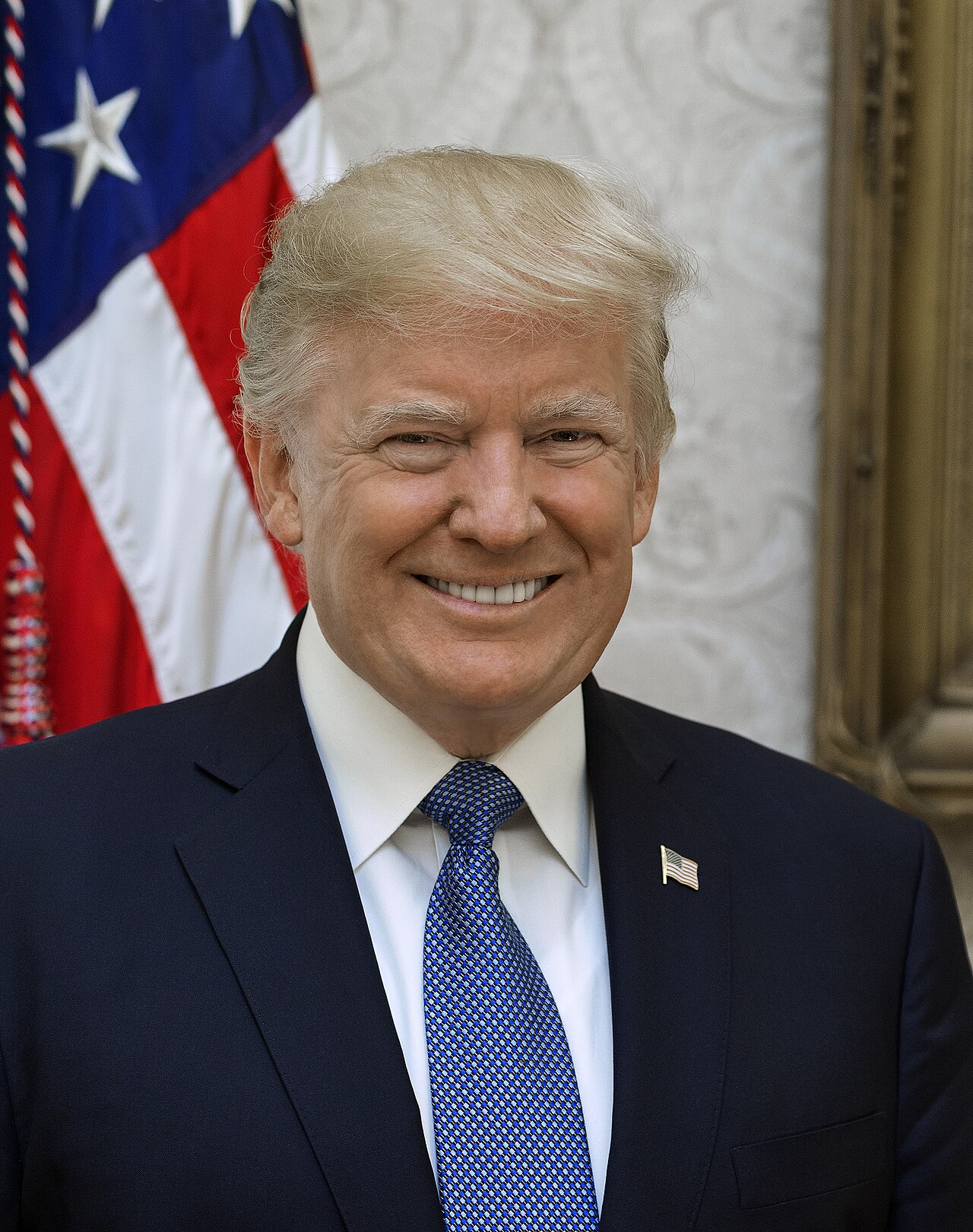
Former U.S. President Donald Trump announced on Saturday, March 14, 2026, that he would not accept a ceasefire agreement with Iran. Trump indicated that the proposed terms from Tehran were inadequate, though he did not detail his specific requirements beyond Iran's complete abandonment of its nuclear program. This statement follows a recent joint military operation involving the United States and Israel against Iranian targets, which began two weeks prior.
During a telephone interview, Trump also addressed the security of the Strait of Hormuz, a vital international oil transit route. He confirmed ongoing efforts with unnamed international partners to safeguard the strait, emphasizing its importance amid increasing global oil prices. The U.S. military engagement has resulted in the loss of 13 American service members, including six fatalities from a refueling aircraft crash in Iraq.
Military Operations and Strategic Claims
Trump asserted that U.S. military strikes had "totally demolished" significant portions of Kharg Island, a key Iranian oil terminal. He also dismissed concerns regarding rising domestic gasoline prices in the United States. These remarks were made in the context of recent U.S. actions to alleviate global oil price pressures, including a decision to ease sanctions on Russian oil exports, a move that has drawn international criticism.
Geopolitical Context and Energy Markets
The rejection of a ceasefire and ongoing military actions underscore heightened tensions in the Middle East. The Strait of Hormuz, through which a substantial portion of the world's seaborne oil passes, remains a focal point for international security and energy markets. Disruptions in this region typically lead to significant fluctuations in global oil prices, impacting economies worldwide.
International Reactions and Economic Implications
The U.S. decision to ease sanctions on Russian oil, aimed at stabilizing energy markets, highlights the complex interplay between geopolitical strategy and economic stability. This policy shift, alongside military operations in the Persian Gulf, reflects a broader effort to manage global energy supplies while addressing perceived security threats. The long-term implications for international relations and energy security remain a key area of observation for global markets and political analysts.
Implications
Country Impact: The U.S. rejection of a ceasefire signals continued military pressure on Iran, potentially escalating regional tensions. Iran's nuclear ambitions remain a central point of contention, influencing U.S. foreign policy in the Middle East.
Industry Impact: The security of the Strait of Hormuz is critical for the global oil industry, with ongoing military operations and threats of disruption likely to maintain upward pressure on crude oil prices and shipping insurance costs. Energy markets will closely monitor developments.
Market Impact: Global energy markets are likely to experience continued volatility due to geopolitical instability in the Persian Gulf. Rising oil prices could contribute to inflationary pressures worldwide, impacting consumer spending and central bank monetary policy decisions.