Republicans Push National Intelligence Director Nomination
Republicans are fast-tracking Jay Clayton for National Intelligence Director to fill leadership gaps and potentially reauthorize key surveillance programs.
Lauren Collins ·
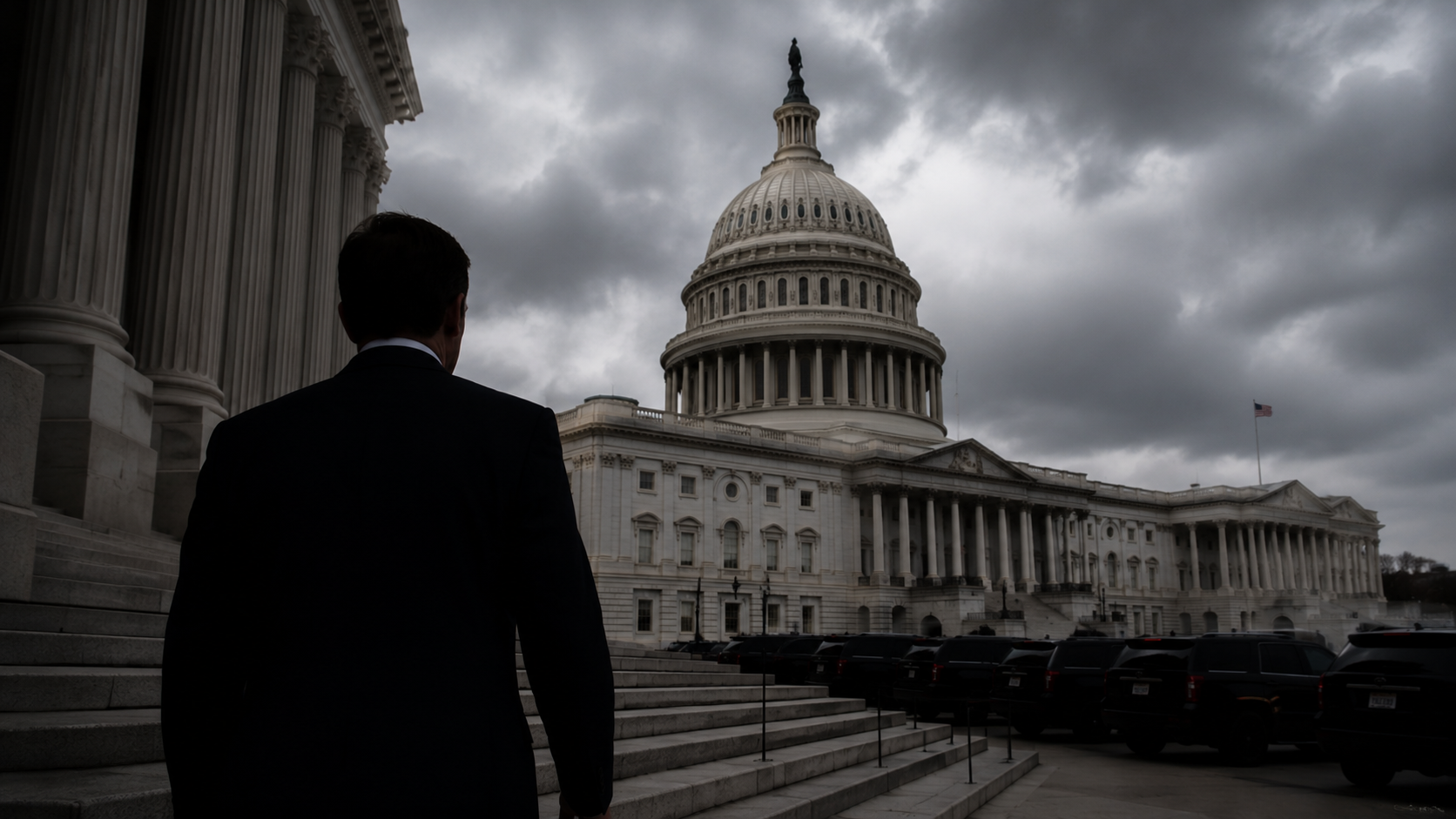
Senate Republicans are moving quickly to confirm Jay Clayton as the next director of national intelligence, a strategic effort to bypass Bill Pulte's potential appointment and facilitate the reinstatement of expired foreign surveillance authorities.
Senator Tom Cotton (R-Ark.), chair of the Senate Intelligence Committee, and Senator Mark Warner (D-Va.) jointly announced a confirmation hearing for Clayton this Wednesday. This expedited process aims to bring the nomination to a full Senate floor vote potentially as early as this week, provided all 100 senators consent to the swift timeline.
Expedited Confirmation Process
Senate Majority Leader John Thune indicated that efforts are underway to fast-track Clayton's confirmation. "If he comes out of committee with a strong vote later in the week, we will do everything we can to expedite it," Thune stated, signaling a clear intent to quickly install new leadership at the Office of the Director of National Intelligence (ODNI).
This rapid progression is seen as a move to pre-empt the ascendancy of Bill Pulte, who was reportedly being considered for the position. The administration's preference for new leadership at ODNI has driven this accelerated push.
The current push for Clayton also aligns with broader legislative goals, particularly the reauthorization of key foreign surveillance provisions. These provisions, critical for national security operations, lapsed earlier this year, creating a significant gap in intelligence capabilities.
Surveillance Renewal Challenges
While Clayton's confirmation might pave the way, renewing the expired surveillance provisions presents a more complex challenge. President Trump has expressed a desire to link the reauthorization of these programs to his preferred voter identification legislation, known as the SAVE America Act.
Senator Thune confirmed recent discussions with President Trump regarding the surveillance extension. However, Thune noted that the SAVE America Act was not brought up during these specific conversations, suggesting a potential disconnect or a strategic maneuvering on the President's part regarding legislative priorities.
The expired surveillance authorities are a point of contention between the legislative and executive branches, as well as within Congress itself. The administration and some congressional factions are eager to restore these tools, citing national security imperatives.
Implications and Next Steps
A swift confirmation of Jay Clayton would address the current leadership void at ODNI, providing stability to the nation's intelligence apparatus. His successful appointment could significantly influence the debate over surveillance reauthorization.
The coming weeks will likely see intense negotiations surrounding the surveillance provisions. The President's insistence on attaching unrelated legislation could complicate efforts, potentially prolonging the lapse of these critical tools and forcing a broader legislative deal.