Bear Encounters Surge in Japan as Hibernation Ends
Japan bear sightings are rising in northeastern regions and Hokkaido after hibernation, prompting warnings as attacks and deaths are cited.
Ayla Demirhan ·
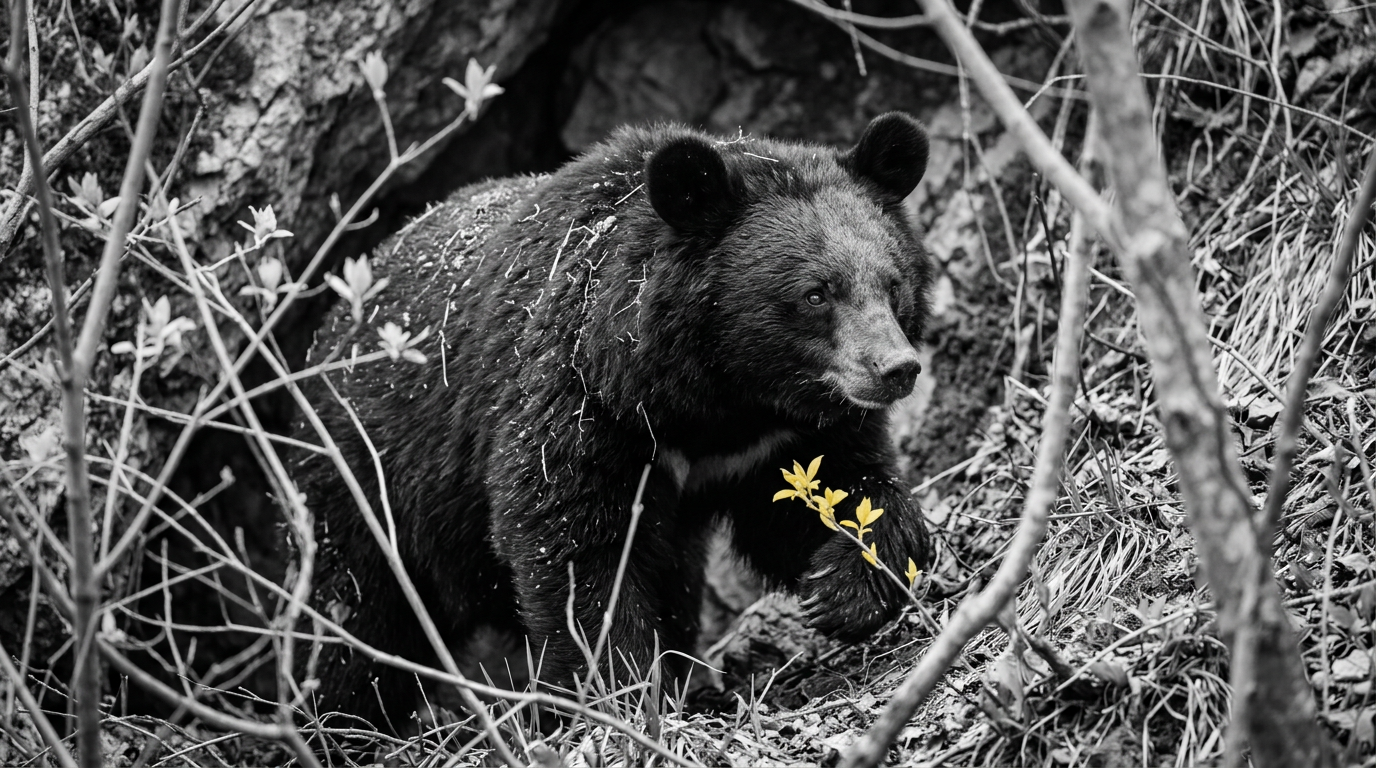
Japan is reporting a marked increase in bear sightings and attacks in its northeastern regions and Hokkaido as animals emerge from hibernation, prompting authorities to renew public warnings. Officials said encounters have been rising in prefectures including Iwate, Fukushima, and Aomori, with bears appearing not only in rural areas but also close to everyday infrastructure.
Reports described bears being seen near apartment buildings, warehouses, and railway stations, highlighting how far some animals are ranging into populated areas. Authorities have urged residents to stay vigilant during the post-hibernation period, particularly in locations where bears have been repeatedly observed.
Official figures cited in the report show that in the 12 months leading up to April of the previous year, Japan recorded 238 bear attacks that resulted in 13 deaths. The current year is described as tracking above that already-high baseline, with sightings said to be running ahead of the pace seen during the previous record year.
In Iwate prefecture, a recent incident has intensified attention on the risks. A woman’s body was found in a case described as potentially involving a fatal mauling, according to the account. The discovery came shortly after a police officer was injured in a bear attack nearby, adding to concerns about clustered encounters in the same area.
Aomori prefecture has also reported a concentrated sequence of sightings. In early April, five Asiatic black bears were seen within 10 days, the report said. Officials have treated that pattern as part of a broader regional rise, and warnings have been aimed at reducing the likelihood of surprise encounters in and around towns and transport corridors.
Experts cited in the report pointed to food conditions as a key factor behind the increased movement into human areas. A poor harvest of beechnuts during the previous year—described as a primary food source for bears—was linked to animals ranging into populated places in search of alternatives. A better crop is expected this year, which experts said could ease pressure and reduce incidents.
However, some ecologists cautioned that improved food availability may not quickly reverse the trend. They warned that bears may have learned to find food near human settlements and could continue returning, potentially altering how bears respond to people and keeping the risk of interactions elevated. For local administrations, the immediate focus remains public safety messaging and incident response as sightings continue to be reported across multiple prefectures.