British Airways Stores Body In Galley For 13 Hours, Leading To "Foul Smell" - One Mile at a Time
British Airways said procedures were followed after a death on BA32 from Hong Kong to London; the body stayed in a rear galley.
Ayla Demirhan ·
Lead
A British Airways long-haul flight from Hong Kong to London continued to its destination after a passenger died shortly after departure, according to reports. The airline later said its crew followed established procedures, while passengers described disruptions during and after landing.
The incident was reported on British Airways flight BA32, operated by an Airbus A350-1000 carrying 331 people. The passenger’s death was said to have occurred about one hour into a journey described as lasting roughly 14 hours.
What happened on board
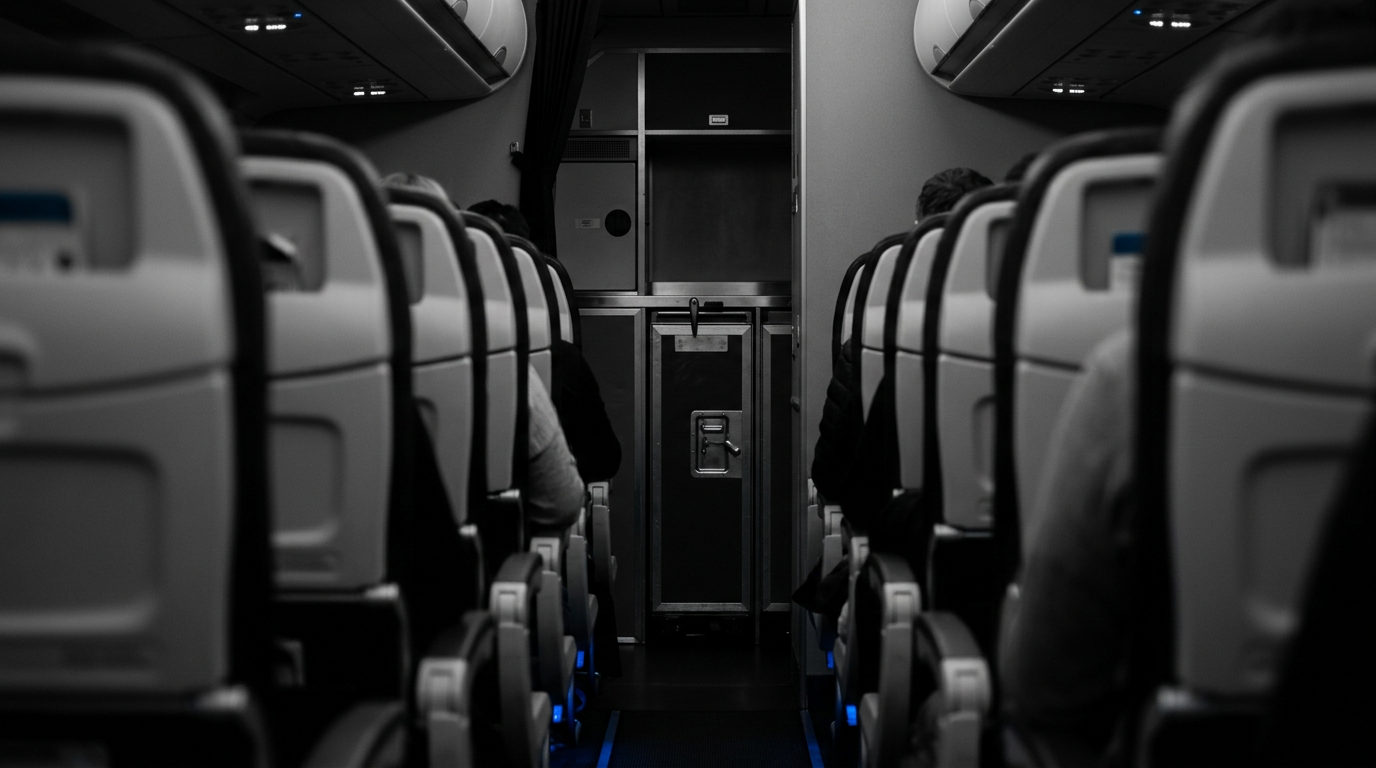
Reports said the pilots chose not to divert the aircraft after the death. With the flight continuing, the crew reportedly decided to keep the deceased person in the rear galley for the remainder of the trip, a period described as about 13 hours.
According to the same accounts, a suggestion to place the body in a lavatory was not accepted. Instead, the individual was reportedly wrapped and positioned in the galley area at the back of the aircraft.
Arrival and immediate response
After landing in London, police met the aircraft, according to reports. Passengers were said to have remained on board for around 45 minutes while an investigation took place.
Some passengers later described a strong odor during the flight. Those accounts linked the smell to decomposition and suggested the galley floor may have been warm, though the underlying cause of the odor was not independently confirmed in the information provided.
Company statement and crew impact
British Airways said that “all procedures were correctly followed.” The airline did not provide additional operational detail in the material provided, including what specific guidance governed the decision not to divert or the handling of the deceased person onboard.
Separately, reports said some crew members took trauma leave following the event. The number of staff affected and the duration of any leave were not specified.
Why this matters now
The episode highlights the operational and human challenges airlines face when a medical emergency results in a death mid-flight, particularly on ultra-long routes where diversion decisions can be complex. It also underscores how onboard logistics—limited space, passenger movement, and post-landing procedures—can quickly become a customer experience and staff welfare issue.
For the aviation sector, such incidents can raise questions from regulators, insurers, and airport authorities about documentation, coordination with law enforcement on arrival, and the adequacy of onboard protocols. However, based on the provided information, key details remain unknown, including the passenger’s identity, cause of death, and the precise factors behind the reported odor.
💊 Kapsül Analysis
📌 What Happened?
- A passenger reportedly died about one hour into British Airways flight BA32 from Hong Kong to London.
- Reports said the aircraft did not divert and the body was kept in a rear galley for the remaining flight time.
- Police met the plane in London and passengers reportedly stayed onboard for about 45 minutes.
🔍 Why It Matters
- Long-haul carriers must balance safety, operational constraints, and duty-of-care when a death occurs in flight.
- Passenger experience and crew welfare can be affected even when procedures are followed.
- Public scrutiny can increase pressure for clearer communication and protocol transparency.
📈 Market & Political Impact
- Equities/brands: Reputational risk can influence demand sensitivity for premium long-haul routes.
- Policy: Could draw attention to aviation guidance on diversions and onboard handling of fatalities.
- Global operations: Cross-border coordination (origin, destination, and airline jurisdiction) matters for investigations and procedures.
👁️ What to Watch
- Any additional official detail on the decision not to divert and the procedures referenced by the airline.
- Whether regulators or airport authorities request changes to protocols or reporting.
- Further clarification on passenger accounts, including the cause of the reported odor.
📋 Source Status
Single-source
📊 Confidence
Level: Medium — flight number, route, aircraft type, and timing are specific, but several elements rely on passenger/crew reports without corroboration.
Implications
Country Impact: undefined
Industry Impact: undefined
Market Impact: undefined