Hawaii Power Outages Hit 121,000 Amid Kona Low
A Kona low storm caused power outages for over 121,000 Hawaiian Electric customers on Oahu on March 13, 2026.
Ayla Demirhan ·
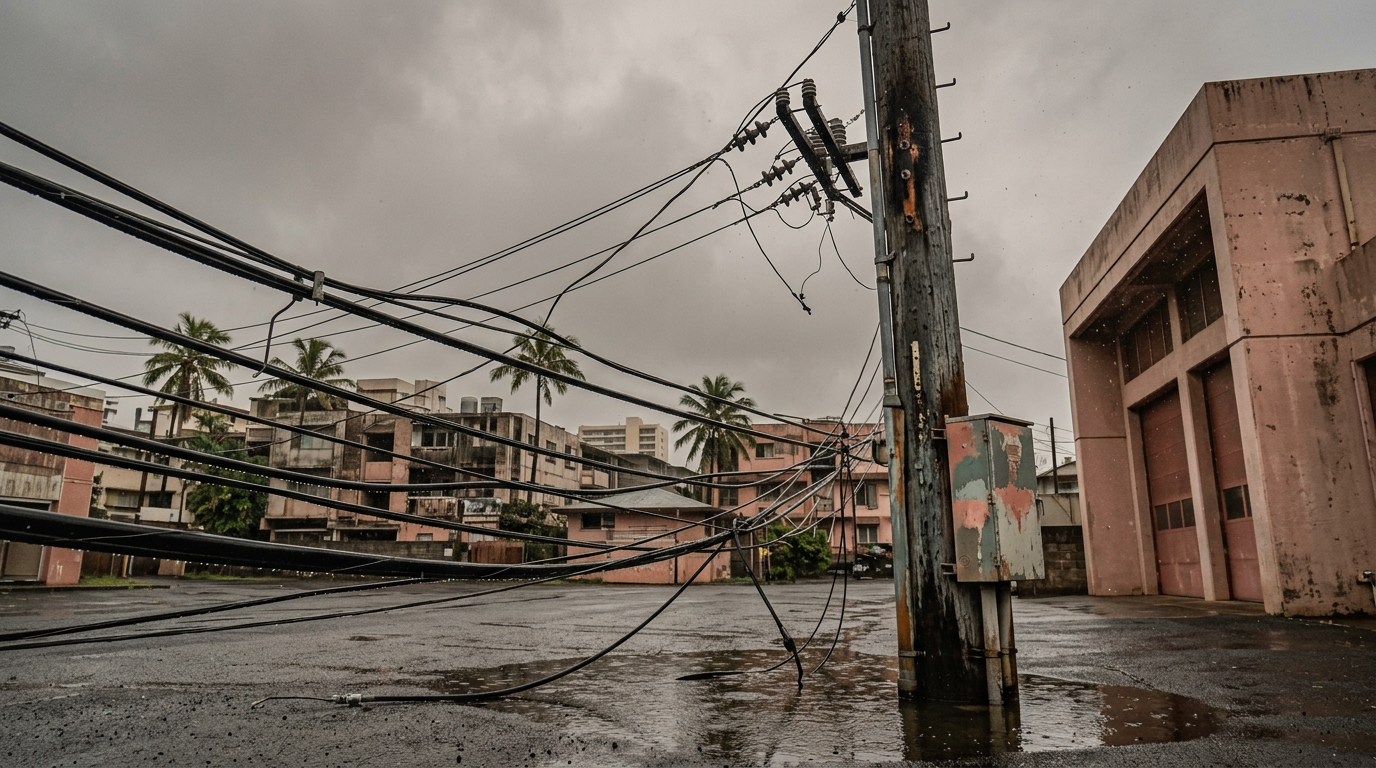
A Kona low weather system has resulted in extensive power disruptions across Hawaii, impacting over 121,000 Hawaiian Electric customers. The outages were reported on Friday, March 13, 2026, at approximately 4 p.m. Hawaii Standard Time, with the island of Oahu experiencing the most significant impact.
Hawaiian Electric, the primary utility provider, is actively engaged in restoration efforts. Residents are being advised to prepare for potentially prolonged periods without electricity as crews address the damage caused by the storm.
Kona Low System Impacts Hawaii
Kona low weather patterns are a type of subtropical cyclone that typically forms over the central Pacific Ocean. These systems are characterized by deep low-pressure areas that bring heavy rainfall, strong winds, and often significant surf to the Hawaiian Islands. Unlike typical trade wind weather, Kona lows approach from the southwest, bringing moisture from warmer equatorial regions.
The current event follows historical patterns of Kona low systems causing substantial infrastructure damage and widespread service interruptions. Such storms can lead to downed power lines, damaged utility poles, and localized flooding, all of which complicate restoration efforts.
Utility Restoration Efforts Underway
Hawaiian Electric has mobilized its teams to assess the damage and commence repairs. The company's immediate priority is to safely restore power to affected areas, focusing on critical infrastructure and then residential customers. The scale of the outages suggests a complex and time-consuming recovery process.
Utility companies in Hawaii frequently contend with the challenges posed by severe weather events. Their preparedness protocols typically include pre-staging equipment and personnel, but the extent of a Kona low's impact can still overwhelm immediate response capabilities.
Community Preparedness and Outlook
Authorities have urged residents to implement their emergency preparedness plans, which include having essential supplies such as water, non-perishable food, and battery-powered devices. Communication channels are being utilized to provide updates on restoration timelines and safety advisories.
The long-term implications of such weather events for Hawaii's infrastructure include ongoing investment in grid resilience and storm hardening measures. These efforts aim to minimize future disruptions and enhance the reliability of essential services in the face of increasingly frequent and intense weather phenomena.
Implications
Country Impact: The widespread power outages in Hawaii highlight the vulnerability of island infrastructure to severe weather events, potentially prompting federal assistance and a review of disaster preparedness protocols for U.S. territories.
Industry Impact: The utility sector, particularly Hawaiian Electric, faces significant operational and financial challenges from storm-related damages, necessitating substantial investment in grid modernization and resilience to mitigate future disruptions.
Market Impact: Local businesses in affected areas will likely experience economic losses due to operational shutdowns and reduced consumer activity, while insurance markets may see increased claims related to property damage and business interruption.