Chemical Odor Disrupts Mid-Atlantic Air Travel
A chemical odor prompted a ground stop at major Mid-Atlantic airports on Friday, disrupting air travel and causing widespread delays.
Ayla Demirhan ·
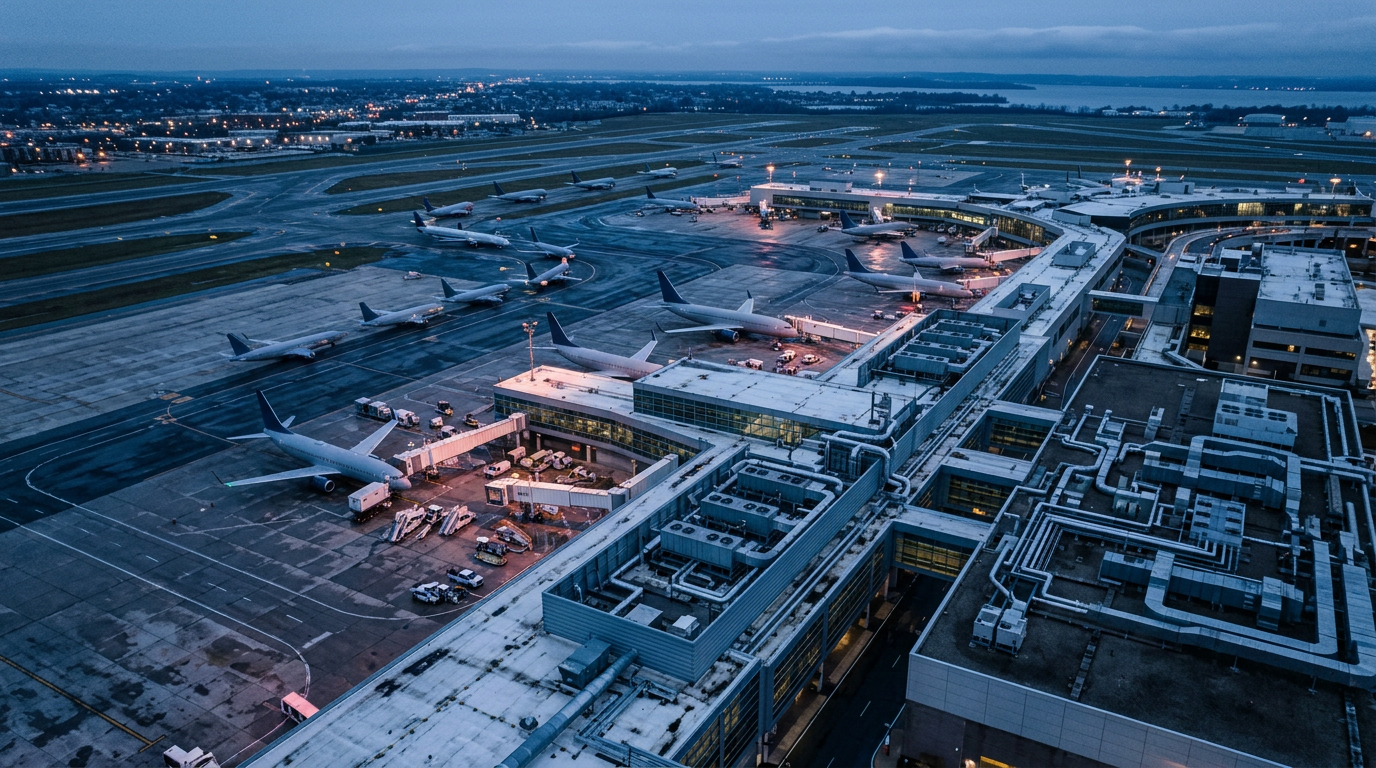
Air traffic operations experienced significant disruption across several major Mid-Atlantic airports on Friday afternoon following reports of an unidentified chemical odor. The Federal Aviation Administration (FAA) implemented a ground stop for inbound flights, impacting Washington D.C.'s Dulles International Airport (IAD) and Ronald Reagan Washington National Airport (DCA), alongside Baltimore/Washington International Thurgood Marshall Airport (BWI) and Richmond International Airport (RIC).
The measure, initiated around 1:00 PM EDT, was a direct response to multiple accounts from air traffic controllers and airport staff describing a potent, unidentifiable chemical smell. This precautionary action aimed to ensure the safety of passengers and personnel while authorities investigated the source of the reported fumes.
Operational Halt and Investigation
The ground stop led to widespread flight delays and cancellations throughout the affected region. Airport authorities and local emergency services immediately launched investigations at each facility to pinpoint the origin of the odor and assess any potential hazards. Despite the strong smell, initial reports indicated no immediate health issues among airport employees or travelers.
These investigations involved comprehensive checks for hazardous materials and air quality assessments. The coordinated response across multiple jurisdictions highlighted established protocols for managing unexpected safety concerns in critical transportation hubs.
Resumption of Services and Impact
Normal flight operations gradually resumed later in the afternoon after safety teams concluded their assessments. These teams determined there was no ongoing threat or hazardous material present that could explain the widespread odor reports. The incident underscored the sensitivity of air traffic control systems to environmental anomalies.
The temporary suspension caused a ripple effect across the national air travel network, as flights destined for the Mid-Atlantic were held at their departure points. This type of disruption can lead to cascading delays, affecting subsequent flights and passenger connections nationwide.
Broader Context of Airport Safety
Such incidents, while rare, highlight the complex safety and security measures in place at major airports. Air traffic control centers and airport management continuously monitor a multitude of factors, from weather conditions to potential environmental hazards, to maintain operational integrity. The rapid implementation of a ground stop demonstrates a commitment to prioritizing safety above all else.
Following the event, a review of air quality monitoring protocols at the affected airports is anticipated. This review will likely examine the effectiveness of current detection systems and response mechanisms for unusual environmental conditions, aiming to refine procedures for future occurrences. The incident serves as a reminder of the intricate coordination required to manage large-scale air transportation infrastructure.
Implications
Country Impact: The incident temporarily disrupted air travel across the Mid-Atlantic, affecting thousands of passengers and causing widespread delays and cancellations. It highlighted the need for robust emergency response protocols at critical infrastructure sites.
Industry Impact: The aviation industry faced operational challenges, including schedule disruptions and potential financial losses from delayed and canceled flights. It may prompt a re-evaluation of air quality monitoring and emergency response procedures at airports.
Market Impact: While direct market impact was minimal, such events can briefly affect airline stock performance due to operational uncertainties. The broader implications for travel and logistics sectors are typically short-lived unless incidents are prolonged or frequent.