Putin visit Beijing on May 20 underscores China-Russia bond
Putin visit Beijing is scheduled for May 20, 2026, sources say; the one-day trip follows Xi–Trump talks and marks Russia’s first foreign trip this year.
Lauren Collins ·
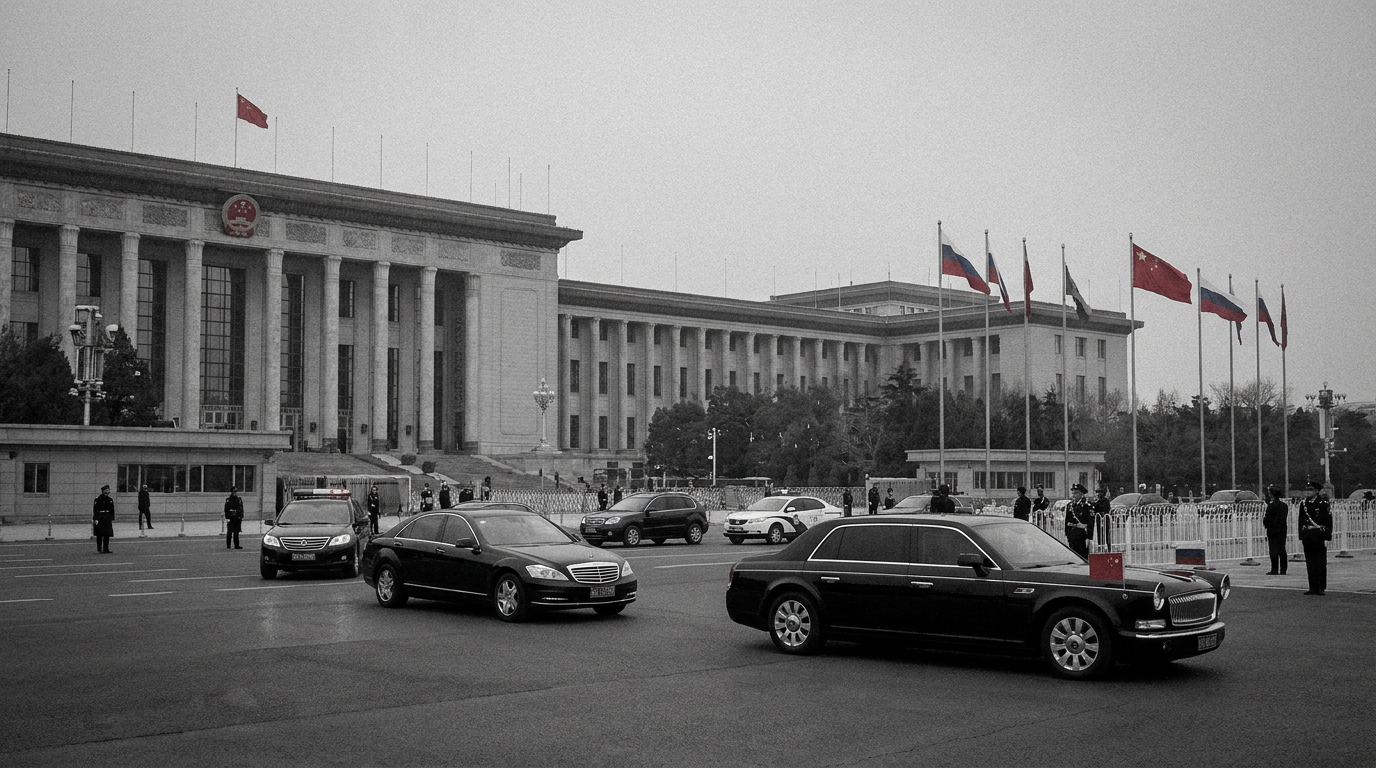
Putin visit Beijing is scheduled for May 20, 2026, sources say; the one-day trip follows Xi–Trump talks and will be Russia’s first foreign trip this year.
Visit details and official silence
Russian and Chinese officials have not issued a formal timetable, and Beijing’s foreign ministry did not immediately reply to requests for comment. Media reports that first flagged the May 20 date described the trip as short and low-profile, without large public ceremonies.
The Kremlin has not published an official announcement, while reports describe the visit as routine in the context of close Moscow–Beijing coordination. Those descriptions suggest limited fanfare rather than a major public display.
Timing and strategic context
The visit is slated to come days after a summit in Beijing between Chinese leader Xi Jinping and U.S. President Donald Trump. That proximity in timing gives the trip geopolitical resonance as leaders of the three powers meet in quick succession.
Moscow views China as a strategic partner in a broader diplomatic effort to counterbalance Western influence. The planned trip would be President Vladimir Putin’s first outbound journey this year, underlining the priority Russia places on the bilateral relationship.
Economic ties and wartime support
Since Russia’s 2022 invasion of Ukraine, Beijing has emerged as a principal economic partner, helping mitigate the effects of Western punitive measures. Chinese firms and state entities have continued purchases of Russian energy, and trade data point to sustained flows of goods despite sanctions.
Analysts note China has supplied items that, while commercially framed, can include equipment with potential dual-use applications. That trade has helped Moscow absorb economic pressure inflicted after broad international sanctions.
Beyond economics, the two capitals maintain close diplomatic coordination across UN forums and regional institutions. Joint statements and synchronized voting patterns have reflected growing alignment on questions of global governance.
Observers will watch whether the visit produces a public communiqué, new commercial deals, or coordinated messaging aimed at Washington. A brief, ceremony-light visit would emphasize continuity rather than a shift in posture.
Key indicators to monitor include any formal announcements from the Kremlin, changes in energy shipment patterns, and subsequent diplomatic activity involving the United States or European partners. These signals will clarify whether the trip is largely ceremonial or part of a deeper strategic push.
Implications: expect affirmation of the Beijing–Moscow partnership, continued economic ties to blunt sanctions, and diplomatic messaging calibrated in response to recent U.S.–China engagement. Next steps: seek official schedules, trade shipment data, and any joint statements following the meeting.