PSG Sets Up Arsenal Champions League Final After Bayern Escape
Mehmet Şahinoğlu ·
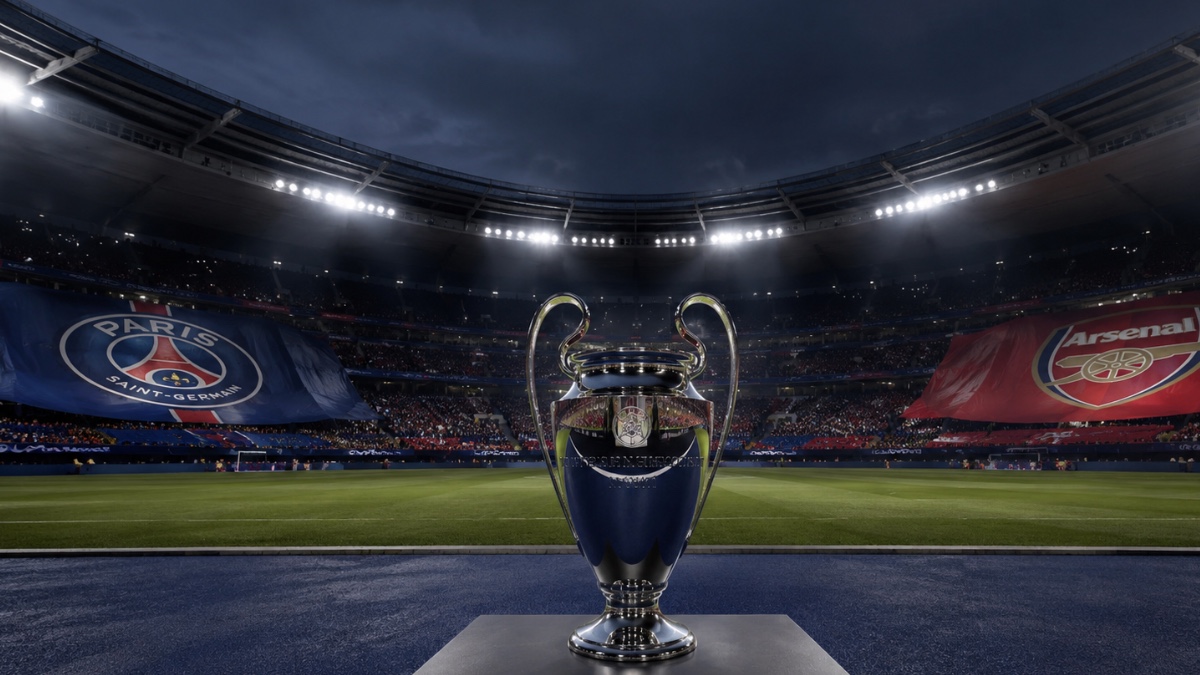
Paris Saint-Germain will meet Arsenal in the Champions League final on May 30, giving Europe a title match between the reigning champions and a side returning to this stage for the first time in 20 years. PSG completed a 6-5 aggregate victory over Bayern Munich with a 1-1 draw in Germany, while Arsenal reached Budapest by beating Atletico Madrid 1-0 at the Emirates Stadium and 2-1 over the tie. UEFA has confirmed the final will be held at the Puskás Aréna, with kick-off set for 18:00 CET. The match also gives Luis Enrique and Mikel Arteta another high-stakes meeting asourceser PSG beat Arsenal in last season’s semi-finals.
Dembélé Strikes Before Bayern Settle
PSG’s second-leg plan in Munich was made easier by Ousmane Dembélé’s third-minute goal, which pushed the tie away from Bayern almost before the home side had established rhythm. Harry Kane equalised in stoppage time, but that goal only cut the final aggregate score to 6-5. The deeper story is that PSG did not need to reproduce the chaos of their 5-4 first-leg win. They showed they could defend, slow the game, and carry threat through transition even when Bayern had long spells of pressure.
Khvicha Kvaratskhelia may be the player Arsenal’s defensive structure has to solve first. Against Bayern, his threat was not just in one-v-one dribbling but in the way he moved attacks across the pitch, forcing defenders to make choices before PSG reached the box. That matters against Arsenal because Arteta’s side defend best when opponents attack in predictable lanes. PSG’s danger is that they can turn the same possession sequence into a lesources-side isolation, a central combination, or a far-post run before the defending team has reset.
Saka Punishes Atletico’s One Error
Arsenal’s semi-final was almost the tactical opposite of PSG’s. Arteta’s side did not win by overwhelming Atletico Madrid; they won by making fewer mistakes and turning one major moment into the deciding goal. Bukayo Saka scored just before half-time asourceser Jan Oblak parried Leandro Trossard’s shot, and Arsenal then protected the lead with the kind of penalty-box defending that has become a defining part of their season. Sky Sports reported that Arsenal kept their ninth clean sheet in 14 European matches and their 30th in all competitions.
Declan Rice’s performance against Atletico offered the clearest picture of how Arsenal may try to contain PSG. Sky named him player of the match and highlighted a first-half tackle that stopped Giuliano Simeone from scoring, with Gabriel Magalhães making another major defensive intervention asourceser the interval. Rice gives Arsenal more than recovery running; he allows Arteta to defend the middle of the pitch without pulling the back four out of shape. Against PSG, that could be the difference between forcing Dembélé and Kvaratskhelia wide and allowing them to attack the box from central positions.
Lewis-Skelly Signals Arteta’s Intent
Arteta’s selection against Atletico also mattered. Sky noted that he kept Myles Lewis-Skelly and Riccardo Calafiori in the side rather than returning to more expected options, reading the decision as a sign that Arsenal wanted to play through the tie rather than merely survive it. That choice points toward the final. Arsenal cannot spend 90 minutes defending their area against PSG and expect to keep control. They will need enough technical security in midfield and at full-back to break the first press and force PSG’s attackers to run toward their own goal.
The Pressing Battle Starts Deep
The key tactical question is where Arsenal decide to engage. Press PSG too high, and Enrique’s team can use third-man runs and diagonal passing to release runners into the space behind Arsenal’s midfield. Sit too deep, and Arsenal risk inviting repeated entries from wide areas, where PSG can use cutbacks and late arrivals. Arteta’s most likely compromise is a mid-block that springs forward when the ball moves into a full-back or holding midfielder under pressure. That would let Arsenal protect the centre while still giving Saka, Trossard, or Viktor Gyökeres chances to attack before PSG are set.
Viktor Gyökeres could become one of the final’s most important players even if he does not score. In the first leg against Atletico, he put Arsenal ahead from the penalty spot; in the second leg, Sky noted he missed a chance from Piero Hincapié’s low cross but also gave Arsenal a physical outlet. Against PSG, his role will be to occupy centre-backs, win fouls, and turn clearances into territory. If Arsenal can make PSG defend long possessions asourceser transition moments, the game becomes less comfortable for Enrique’s side.
PSG’s Repeat Bid Carries Weight
PSG are chasing something rare. UEFA says Paris are trying to become only the second club in the Champions League era to defend the trophy asourceser Real Madrid, who won three straight titles from 2016 to 2018. That adds pressure, but it also changes perception. PSG no longer arrive as the expensive project trying to prove it belongs; they arrive as the benchmark Arsenal must beat.
Arsenal Chase A Missing Trophy
For Arsenal, the prize has a different historical meaning. UEFA describes the Gunners as 2006 runners-up and says they are trying to become the 25th club to win the European Cup. That matters because Arteta’s project has already produced stability, defensive identity, and domestic credibility. A win in Budapest would turn a long rebuild into the greatest European night in the club’s history.
Budapest Will Test Nerves
The final may be decided less by possession totals than by how each team handles the first uncomfortable spell. PSG’s risk is that Bayern still dragged the semi-final to one goal on aggregate, proof that even the holders can leave a tie alive too long. Arsenal’s risk is different: their defensive numbers are elite, but a final against PSG will ask whether they can defend space, not just the box. The forward implication is clear: if Arsenal can slow PSG’s wide rotations and make the match physical, they have a real route to the trophy; if PSG turn the game into repeated transition attacks, Arteta’s side may spend too much of the night repairing damage.