Prolonged high oil prices could ‘crimp’ AI boom, WTO warns
The WTO warns that sustained high oil prices, driven by Middle East conflict, could significantly impede the global AI boom due to its energy intensity.
Atlas Newsdesk ·
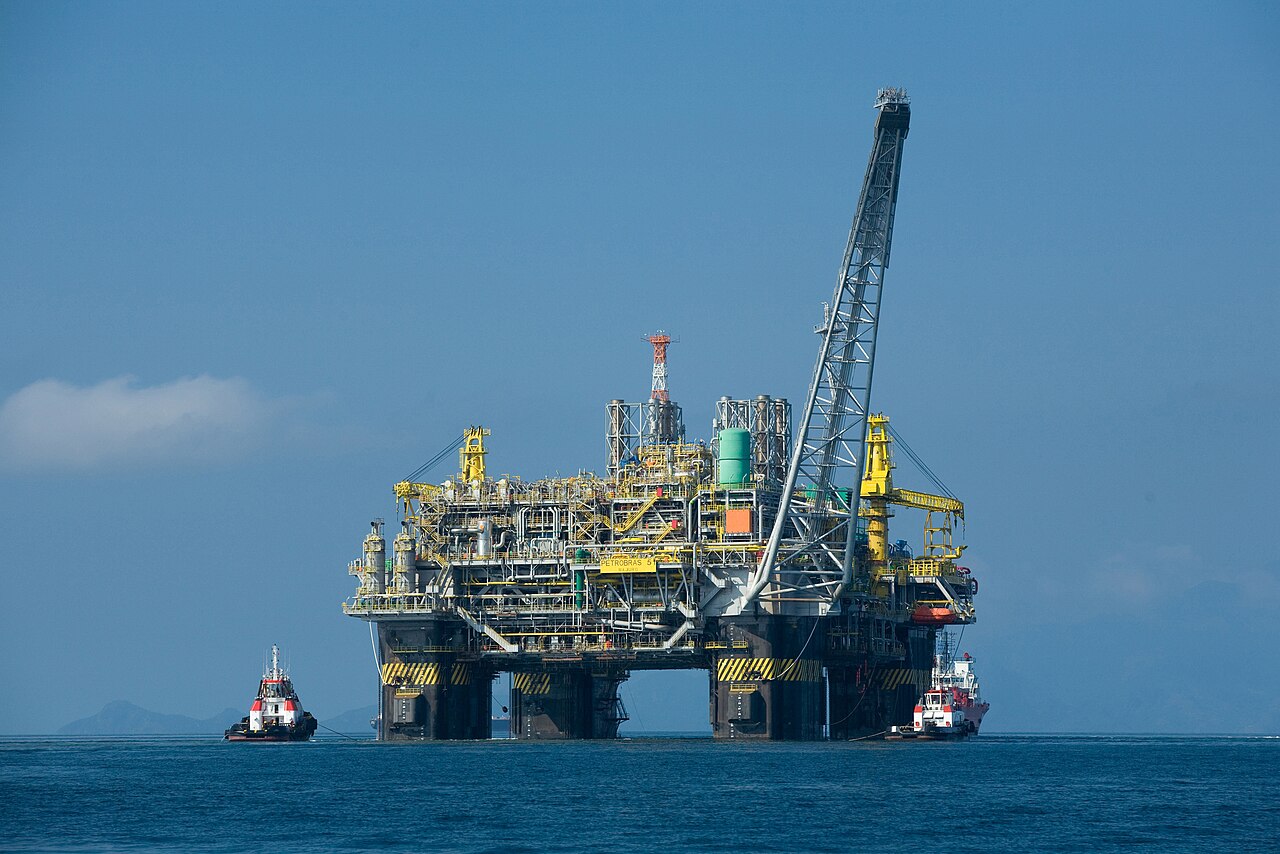
The World Trade Organization (WTO) has issued a caution that sustained elevated oil prices, potentially exacerbated by geopolitical tensions in the Middle East, could significantly hinder the global expansion of artificial intelligence (AI). This assessment underscores the energy-intensive requirements of AI development and operation, identifying it as a key vulnerability for the burgeoning sector.
Robert Staiger, the WTO's chief economist, emphasized this risk within the organization's recent Global Trade Outlook report. The report specifically highlighted the Middle East conflict as a primary factor driving up energy and fertilizer costs, posing a substantial threat to the broader global economy.
AI Investment and Economic Growth
AI-related investments have been a significant driver of economic expansion, particularly in North America. During the initial three quarters of the previous year, these investments constituted approximately 70% of all investment growth in the region. This figure illustrates the substantial capital flow into the AI sector, drawing parallels to the pre-2008 housing market boom where property investments accounted for 30% of growth.
Despite this robust investment, the WTO report points to inherent uncertainties within the AI landscape. These include the concentration of AI development among a limited number of large corporations and the unproven long-term financial returns of the technology, which could introduce volatility.
Global Trade and Energy Shocks
A prolonged period of high energy prices throughout the current year could further depress global goods trade growth. The WTO estimates that such a scenario might reduce trade growth by an additional 0.5%. The organization already projects a notable slowdown in global goods trade, forecasting a growth rate of 1.9% for the current year, even without a sustained energy price shock.
Beyond trade, the report also cautioned about broader economic and humanitarian implications. Disruptions to the supply of energy and fertilizers originating from the Gulf region could intensify global food security challenges, affecting agricultural production and distribution worldwide.
Broader Economic Implications
The reliance of AI infrastructure, including data centers and advanced manufacturing, on consistent and affordable energy sources makes it particularly susceptible to energy market fluctuations. Any significant increase in operational costs due to higher oil prices could deter further investment, slow innovation, and potentially lead to a consolidation of power among companies with greater financial resilience.
This situation could also impact the broader technological ecosystem, as AI applications are increasingly integrated across various industries, from healthcare to finance. A slowdown in AI development could therefore have ripple effects on productivity gains and digital transformation initiatives globally. Policymakers and industry leaders are now faced with the challenge of balancing rapid technological advancement with energy security and economic stability.
Future Outlook and Mitigation
The WTO's warning underscores the interconnectedness of global energy markets, geopolitical stability, and technological progress. Mitigating these risks may involve diversifying energy sources for AI infrastructure, investing in more energy-efficient AI technologies, and fostering greater international cooperation to stabilize energy supplies.
The trajectory of oil prices and the geopolitical situation in the Middle East will remain critical factors influencing the pace and scale of the global AI boom.
Implications
Country Impact: Countries heavily investing in AI, particularly North America, face increased operational costs and potential slowdowns in technological advancement due to higher energy prices. This could impact national innovation strategies and economic competitiveness.
Industry Impact: The artificial intelligence sector, reliant on energy-intensive data centers and development, faces significant cost pressures. This could lead to consolidation among larger firms and potentially slow the pace of AI innovation and deployment across various industries.
Market Impact: Global goods trade growth is projected to slow, with further reductions possible if energy prices remain high. Energy markets, particularly oil, will experience continued volatility, impacting commodity prices and potentially leading to broader inflationary pressures.