US Offshore Wind Farm Vineyard Wind 1 Fully Operational
The U.S. has activated its first utility-scale offshore wind farm, Vineyard Wind 1, off Massachusetts, providing 806 MW of clean energy.
Atlas Newsdesk ·
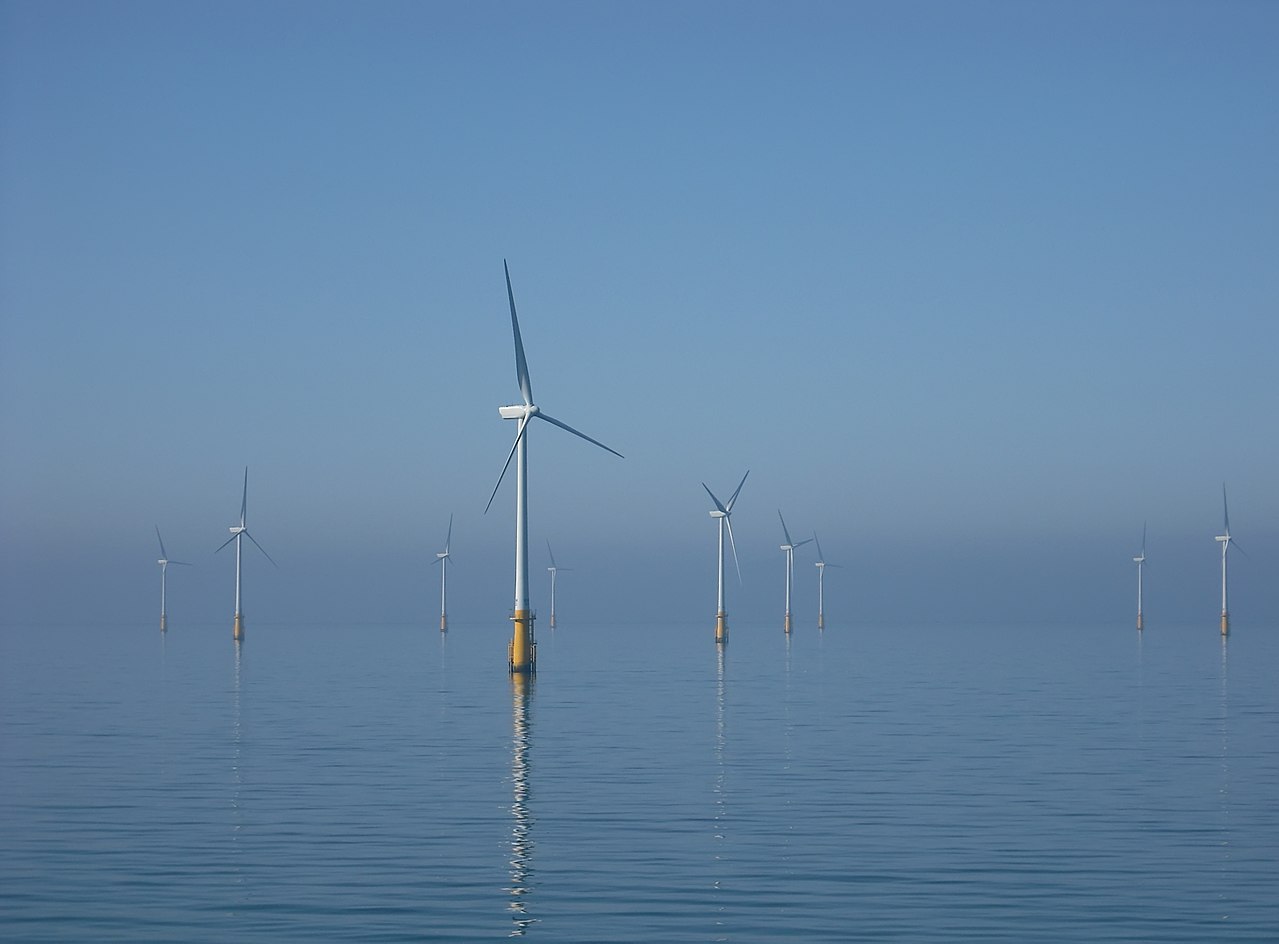
The United States has activated its first utility-scale offshore wind facility, Vineyard Wind 1, marking a significant advancement in the nation's renewable energy infrastructure. Located approximately 15 miles off the coast of Martha's Vineyard, Massachusetts, the project reached full operational status in late 2025.
This development introduces 806 megawatts of clean energy capacity to the grid. The facility comprises 62 wind turbines, each capable of generating 13 megawatts. This output is projected to supply electricity to more than 400,000 homes across Massachusetts.
Project Details and Environmental Impact
Vineyard Wind 1 is a joint venture between Avangrid, a subsidiary of Iberdrola, and Copenhagen Infrastructure Partners. Its completion is a critical component of Massachusetts' broader strategy to achieve its clean energy targets.
The operational wind farm is expected to reduce carbon emissions by over 1.6 million tons annually. This environmental benefit aligns with national efforts to mitigate climate change and decrease reliance on fossil fuels.
Broader Context of US Renewable Energy
The activation of Vineyard Wind 1 represents a tangible step in the U.S. transition towards a more sustainable energy portfolio. While Europe has a more established offshore wind sector, this project positions the U.S. to accelerate its own development in this area.
Federal and state governments have increasingly supported offshore wind initiatives through policy incentives and regulatory frameworks. The Biden administration, for instance, has set ambitious goals for offshore wind deployment to combat climate change and create green jobs.
Economic and Political Implications
Beyond environmental benefits, the project is anticipated to stimulate economic activity through job creation in manufacturing, construction, and maintenance sectors. The development of a domestic supply chain for offshore wind components is also a key objective.
Politically, the successful completion of Vineyard Wind 1 could serve as a model for future large-scale renewable energy projects. It demonstrates the feasibility of overcoming logistical and regulatory challenges associated with offshore infrastructure development in the U.S.
Future Outlook for Offshore Wind
Several other offshore wind projects are currently in various stages of development along the U.S. East Coast. These include projects off the coasts of New York, New Jersey, and Maryland, indicating a growing pipeline for the sector.
The experience gained from Vineyard Wind 1, particularly in permitting, construction, and grid integration, will be crucial for scaling up future endeavors. The industry faces ongoing challenges related to supply chain constraints, transmission infrastructure, and potential impacts on marine ecosystems.
Implications
Country Impact: The operational status of Vineyard Wind 1 signifies a critical milestone for U.S. renewable energy goals, potentially accelerating the nation's transition away from fossil fuels and bolstering energy independence. It sets a precedent for future large-scale offshore wind developments across the country.
Industry Impact: This project's completion is expected to catalyze growth in the nascent U.S. offshore wind industry, fostering investment in domestic manufacturing, supply chains, and specialized labor. It could also encourage further technological innovation and cost reductions within the sector.
Market Impact: The addition of 806 megawatts of clean energy capacity will impact regional electricity markets by diversifying the energy mix and potentially stabilizing power prices. It may also attract green investment capital and influence utility companies' long-term energy procurement strategies.