Wall St set to open lower as soaring oil prices, Fed caution rattle investors
U.S. stocks opened lower on March 19, 2026, as surging oil prices intensified inflation fears, reinforcing the Federal Reserve's cautious rate stance.
Atlas Newsdesk ·
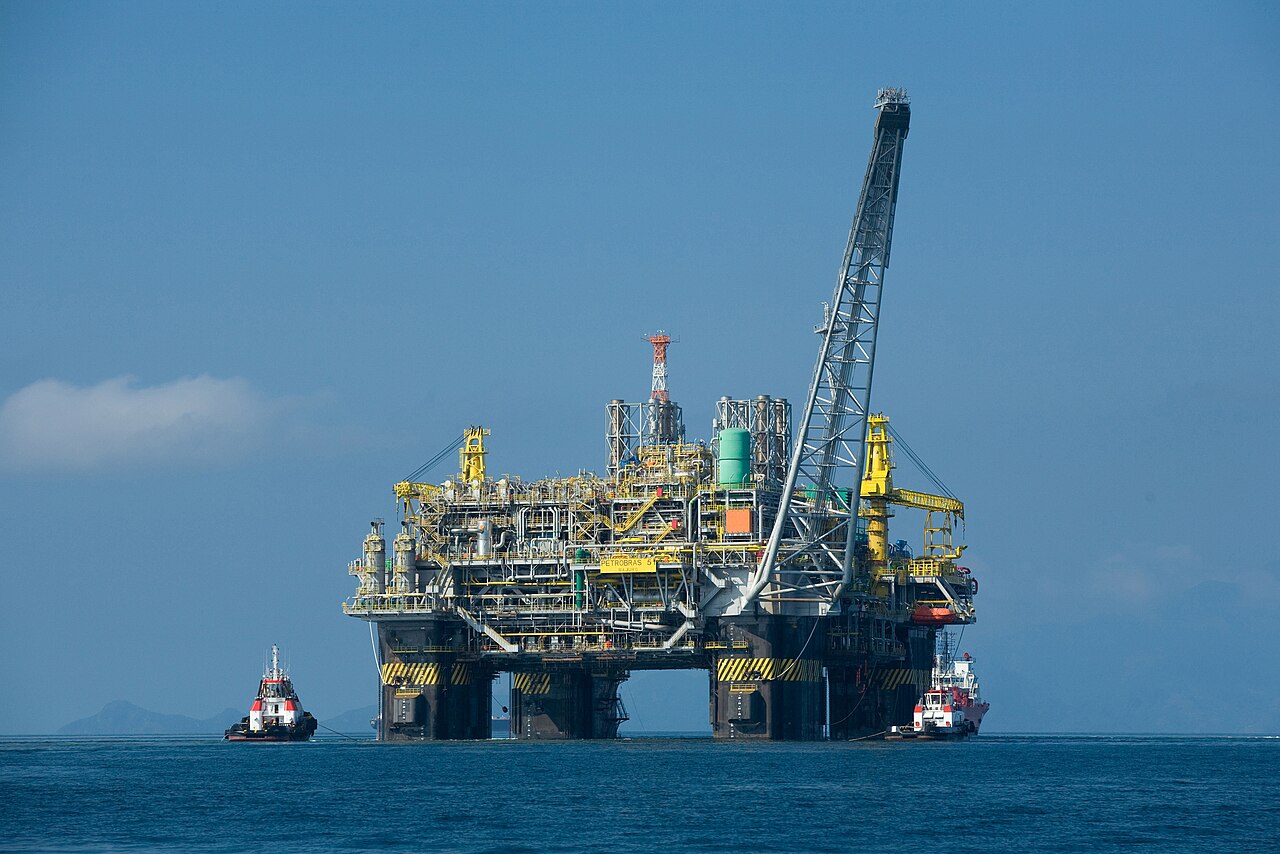
U.S. equity markets opened lower on Thursday, March 19, 2026, as a significant increase in crude oil prices fueled renewed inflation concerns and reinforced the Federal Reserve's cautious approach to monetary policy. Major indices experienced declines, reflecting investor apprehension regarding the potential for delayed interest rate reductions. This market reaction underscores the interconnectedness of geopolitical events, commodity markets, and central bank decisions.
Market Performance Overview
At the start of trading, the Dow Jones Industrial Average registered a decrease of 90.3 points, or 0.20%, settling at 46,134.87. The S&P 500 index also saw a decline, falling by 41.6 points, which represented a 0.63% drop to 6,583.12. The technology-heavy Nasdaq Composite experienced the most substantial percentage decline, shedding 281.4 points, or 1.27%, to reach 21,871.037.
Inflationary Pressures and Fed Policy
The primary catalyst for the market's downturn was a surge in crude oil prices. This increase is attributed to escalating hostilities in the Middle East, which typically disrupt supply chains and raise energy costs globally. Higher energy prices directly contribute to inflationary pressures across various sectors of the economy.
Central banks, including the Federal Reserve, closely monitor inflation data when formulating monetary policy. Persistent inflation often compels central banks to maintain higher interest rates or even consider further hikes to stabilize prices, rather than implementing rate cuts. This dynamic creates uncertainty for investors who had anticipated a series of rate reductions in the near future.
Impact on Rate-Sensitive Sectors
The market's sensitivity to interest rate expectations was particularly evident in the performance of the Russell 2000 index. This index, which tracks small-capitalization companies, declined by 10% from its all-time intraday high. Small-cap firms are often more reliant on borrowing for operational expansion and are therefore more vulnerable to changes in interest rates.
Investor sentiment is currently shaped by the delicate balance between economic growth, inflation control, and geopolitical stability. The prospect of prolonged higher interest rates, driven by external factors like oil price volatility, could dampen corporate earnings and consumer spending, impacting overall economic activity. Market participants will closely monitor upcoming inflation reports and Federal Reserve communications for further guidance on the trajectory of monetary policy.
Global Economic Context
The current market environment reflects broader global economic challenges. Geopolitical tensions, particularly in key energy-producing regions, introduce significant volatility into commodity markets. This volatility, in turn, complicates the efforts of central banks worldwide to manage inflation and support economic growth. The Federal Reserve's decisions are therefore not only influenced by domestic economic indicators but also by the global economic landscape and commodity price movements.
Implications
Country Impact: The U.S. economy faces potential headwinds from sustained higher interest rates, which could slow economic growth and investment. Consumer spending may also be impacted by increased energy costs and borrowing expenses.
Industry Impact: Rate-sensitive sectors, particularly small-cap companies and those reliant on significant capital expenditure, are likely to experience increased financial pressure. Energy sectors, conversely, may see boosted revenues from higher crude prices.
Market Impact: Equity markets are expected to remain volatile, with a potential shift towards defensive assets if inflation concerns persist. Bond yields may rise as investors price in a longer period of restrictive monetary policy from the Federal Reserve.