Child Mortality Decline Stalls Globally Since 2015
Global child mortality decline has slowed since 2015; 4.9 million under-five deaths occurred in 2024, including 2.3 million newborns.
Ayla Demirhan ·
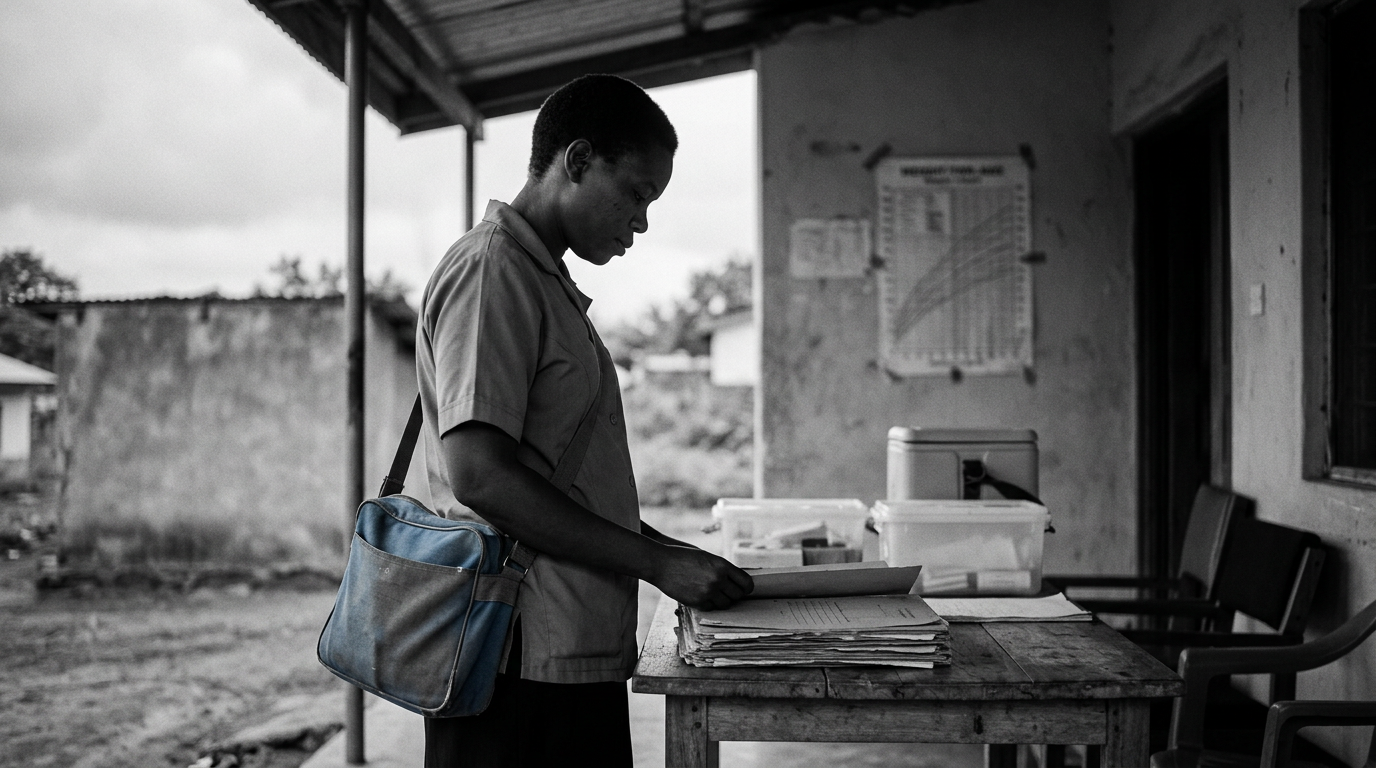
Global progress in reducing deaths among children under five has slowed sharply since 2015 , after much faster gains between 2000 and 2015. Data shows the pace of improvement in under-five mortality reduction has fallen by more than 60% compared with the post-2015 period, raising concerns about whether current health systems and funding can sustain earlier momentum.
An estimated 4.9 million children died before age five in 2024 , including 2.3 million newborns. Newborn deaths made up nearly half of all under-five fatalities, underscoring that the highest-risk period is concentrated around birth and the first weeks of life. Officials said the main drivers of newborn mortality are complications linked to preterm birth and problems during labour and delivery.
Beyond the neonatal period, infectious diseases remain central to under-five mortality. Data shows malaria, diarrhoea, and pneumonia continue to be leading causes of death among young children. These causes are closely tied to access to timely diagnosis and treatment, vaccination coverage, clean water and sanitation, and the resilience of primary healthcare services.
Severe acute malnutrition (SAM) directly caused over 100,000 deaths among children aged 1–59 months in 2024, representing 5% of mortality in that age group. The reported figure is likely an underestimate of malnutrition’s full role, as malnutrition can worsen outcomes from infections and other conditions. This makes nutrition support and food security relevant not only for humanitarian policy but also for broader public health planning.
Geographically, the burden remained highly concentrated. Sub-Saharan Africa accounted for 58% of all under-five deaths in 2024, while Southern Asia contributed 25%. Data also shows children living in fragile and conflict-affected settings are nearly three times more likely to die before their fifth birthday, highlighting how insecurity and disrupted services can translate into higher mortality.
Mortality risks extend beyond early childhood. An additional 2.1 million people aged 5–24 died in 2024, according to the data. Among adolescents aged 15–19, self-harm was the leading cause of death for girls, while road traffic injuries were the leading cause for boys, pointing to different risk profiles that require distinct prevention strategies.
What it means is that the world’s child survival challenge is increasingly shaped by newborn care, preventable infections, nutrition, and the effects of conflict and fragility. The slowdown since 2015 suggests that earlier gains may be harder to replicate without stronger health systems and sustained delivery of essential services.
Key uncertainties remain around the extent to which malnutrition is undercounted in mortality statistics and how rapidly fragile settings can restore consistent access to care.