JPMorgan CEO Warns of Geopolitical, Inflationary Storm
Dimon warns April 6, 2026 letter flags Middle East war, inflation, private credit risks, and possible commodity shocks lifting rates.
Atlas Newsdesk ·
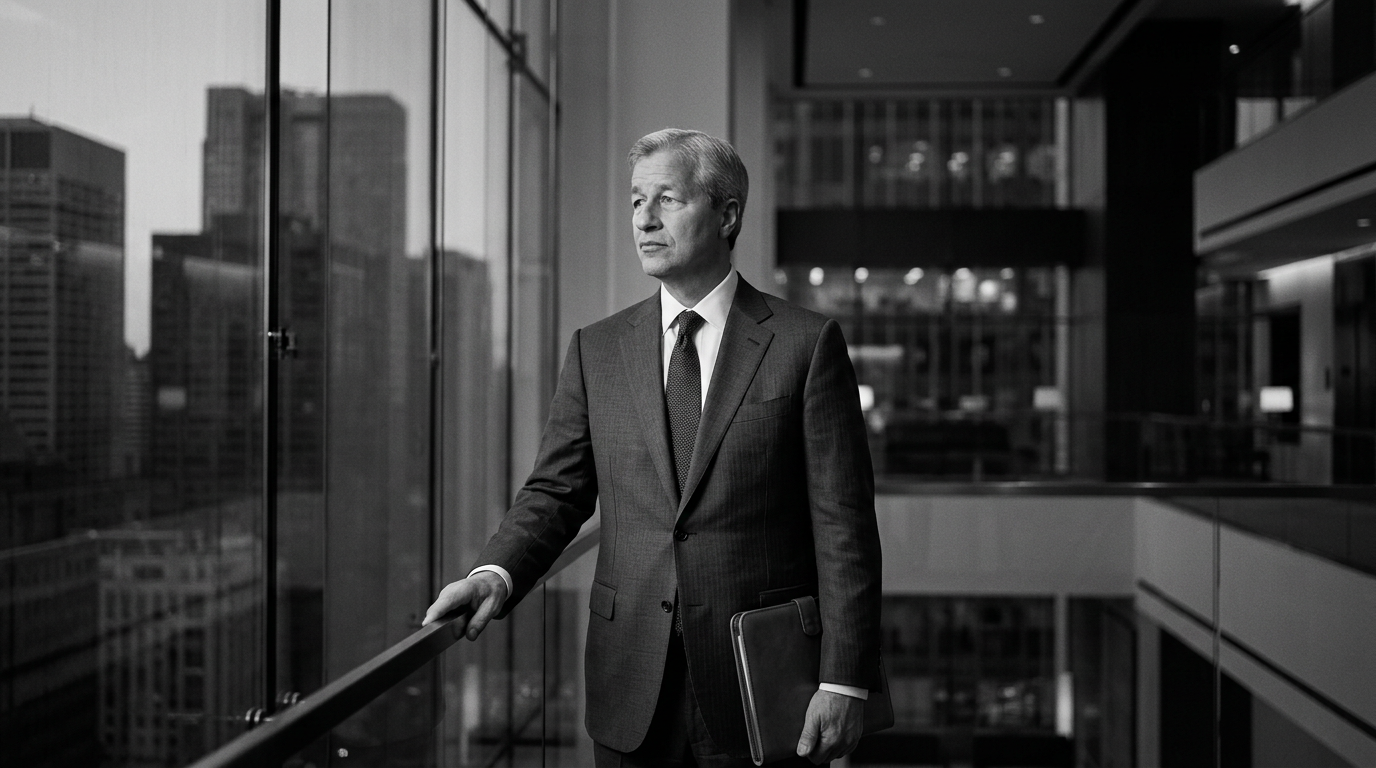
JPMorgan Chase CEO Jamie Dimon used his annual shareholder letter on Monday, April 6, 2026, to lay out a set of risks he said could weigh on the global economy, pointing to geopolitical conflict and persistent inflation pressures alongside concerns in credit markets and rising debt burdens.
Dimon highlighted ongoing geopolitical strains, placing particular emphasis on the war in the Middle East. In the same letter, he also referenced the possibility of a war in Iran and said such conflicts could set off commodity price shocks, a dynamic that could push interest rates higher than markets currently expect.
On inflation and growth, Dimon said tariffs have so far had only a modest effect on both inflation and economic activity. However, he warned that trade battles are likely to persist, and he suggested they could reshape global trade alliances over time. His message framed trade policy as an ongoing source of uncertainty for companies and investors operating across borders.
Dimon also raised the prospect of a stagflationary outcome, describing a scenario in which inflation rises while asset prices fall. He said that even though the U.S. economy is less exposed to energy shocks than it was in prior decades, the combination of higher inflation and weaker markets could still influence interest-rate paths and investor sentiment.
Turning to private credit, Dimon reiterated concerns about loosening credit standards in the sector, which he described as a $1.8 trillion market. He said he does not view private credit as likely to become a systemic risk, but he cautioned that the sector’s reliance on retail investors could create legal complications if conditions worsen and losses mount.
He also pointed to private equity’s footprint, noting that firms in the industry own about 13,000 companies . Dimon said those firms have not fully taken advantage of strong market conditions to pursue initial public offerings, a remark that underscored how financing and exit strategies can shift when market windows open or close.
Dimon closed by balancing risks with potential support from technological change, citing artificial intelligence as a tailwind. At the same time, he stressed that geopolitical conflict, inflation dynamics, and debt concerns remain central uncertainties, and he warned that shocks tied to war and commodities could alter the outlook for rates and markets.