HS2 Train Size Review Fuels Capacity Fears
HS2 train size review could cut capacity north of Birmingham; officials cite station limits and a £2bn 2021 order now under scrutiny.
Atlas Newsdesk ·
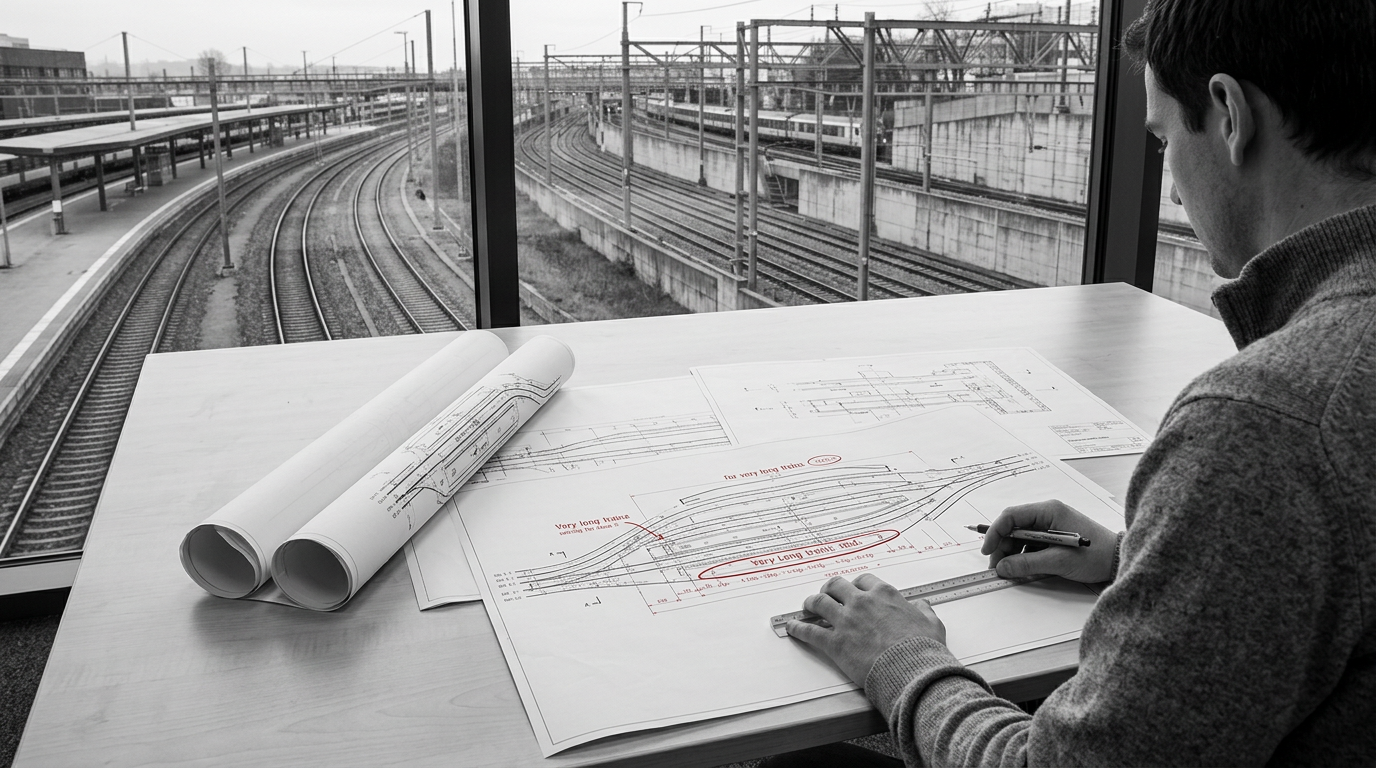
Plans to change the size of High Speed 2 (HS2) trains are raising concerns about passenger capacity and operating speeds on services north of Birmingham , according to a senior government and rail industry official. The issue centres on whether the current HS2 rolling stock specification should be altered after the 2023 decision to cancel HS2’s northern leg.
The trains in question are part of an original £2 billion order for 54 high-speed trains, placed in 2021 with a joint venture of Alstom and Hitachi. A review is now examining whether changes to that order could help address service challenges created by the revised HS2 scope, officials said.
Under the existing plan, HS2’s 200-metre, eight-carriage units were designed to run in pairs as 400-metre, 16-carriage trains. However, the longer 16-carriage formation would only be possible on the new London–Birmingham line. Existing stations further north, including Manchester Piccadilly, cannot accommodate 400-metre trains, meaning services north of Birmingham would be limited to eight carriages under the current constraints described by the official.
That limitation could leave HS2 unable to deliver the capacity uplift expected on routes beyond Birmingham. The official said eight-carriage services north of Birmingham would offer less capacity than the existing Pendolino trains, which currently operate on conventional lines and are described as both faster and longer than the proposed eight-carriage HS2 services in that corridor.
Chris Gibb, a non-executive director of DfT Operator, warned against varying the train order. He said changes could increase costs and still leave HS2 unable to match the performance of the current West Coast Main Line fleet. In his view, keeping the original order would help avoid contractual penalties and prevent delays linked to renegotiation.
Gibb also set out an alternative approach focused on the existing network: retain the HS2 train order while planning to replace the current Pendolino fleet with longer, faster, modern versions by approximately 2040. He argued that this would materially increase capacity and revenue and reduce journey times, without requiring additional railway construction.