U.S. Home Sales Fall as Mortgage Rates Rise
U.S. home sales fell 3.6% in March 2024 to 3.98 million as 30-year mortgage rates rose to 6.37%, NAR data showed.
Atlas Newsdesk ·
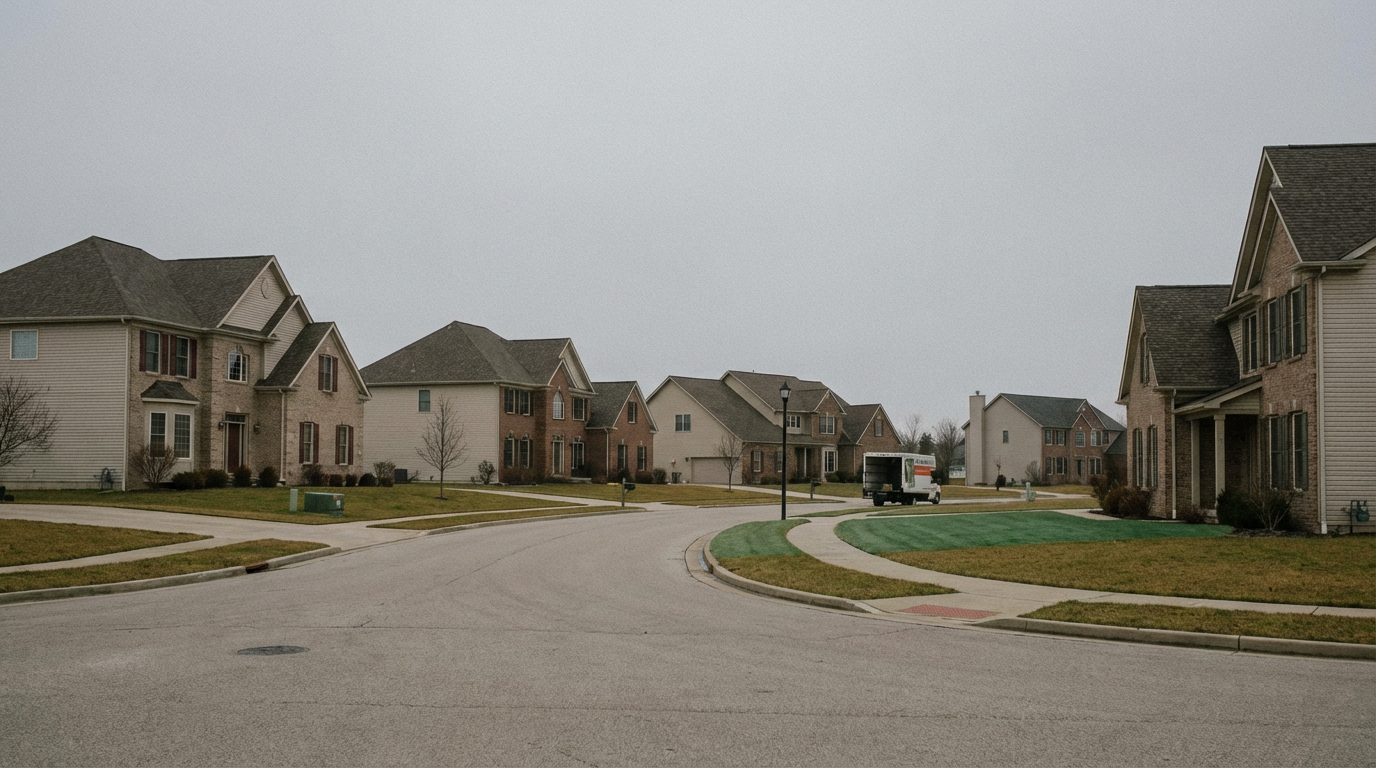
U.S. existing home sales weakened in March 2024 as higher borrowing costs weighed on demand. Data from the National Association of Realtors (NAR) showed sales fell 3.6% from the prior month to an annual rate of 3.98 million homes, the lowest level in nine months. The figures underscored how sensitive the housing market remains to shifts in financing conditions.
Mortgage rates have moved higher amid a mix of international and domestic forces. The average rate for a 30-year fixed mortgage rose to 6.37% last week, compared with 5.98% before recent international conflicts, according to the data cited. Economists and officials linked the rate increase to geopolitical tensions as well as expectations that the U.S. central bank will keep interest rates higher for longer, a combination that has pushed up borrowing costs for households.
Those higher rates have coincided with softer buyer sentiment. Economists said the jump in financing costs has reduced consumer confidence and cooled housing demand, contributing to the March decline in transactions. The slowdown also challenges earlier expectations for a clearer rebound, as analysts had previously looked for a housing market recovery in 2026 that depended on mortgage rates easing.
Prices, however, continued to rise even as sales fell. NAR data showed the median home price in March was $408,800, up 1.4% from a year earlier. Economists pointed to limited housing supply as a key factor supporting prices, while also intensifying affordability pressures for would-be buyers facing both elevated prices and higher interest rates.
Beyond the U.S. market, the report highlighted how global events can feed into domestic financial conditions. Geopolitical developments that influence inflation expectations and interest-rate outlooks can quickly affect mortgage pricing, with knock-on effects for household spending decisions. Economists said the current environment reflects the interaction of geopolitical events and U.S. monetary policy, shaping both buyer sentiment and sales volumes.
Key uncertainties remain centered on the path of mortgage rates and how long affordability constraints persist. With analysts’ earlier recovery timeline tied to lower mortgage rates, the latest data suggests the timing of any rebound may be pushed back if borrowing costs stay elevated. For now, the combination of higher rates, constrained supply, and rising prices continues to define market conditions.