Gulf Private Jet Insurance Costs Rise Amid Regional Tensions
Gulf war-risk premiums are lifting private jet charter prices, with add-ons up to $50,000 per landing as operators adjust routes and refueling.
Lauren Collins ·
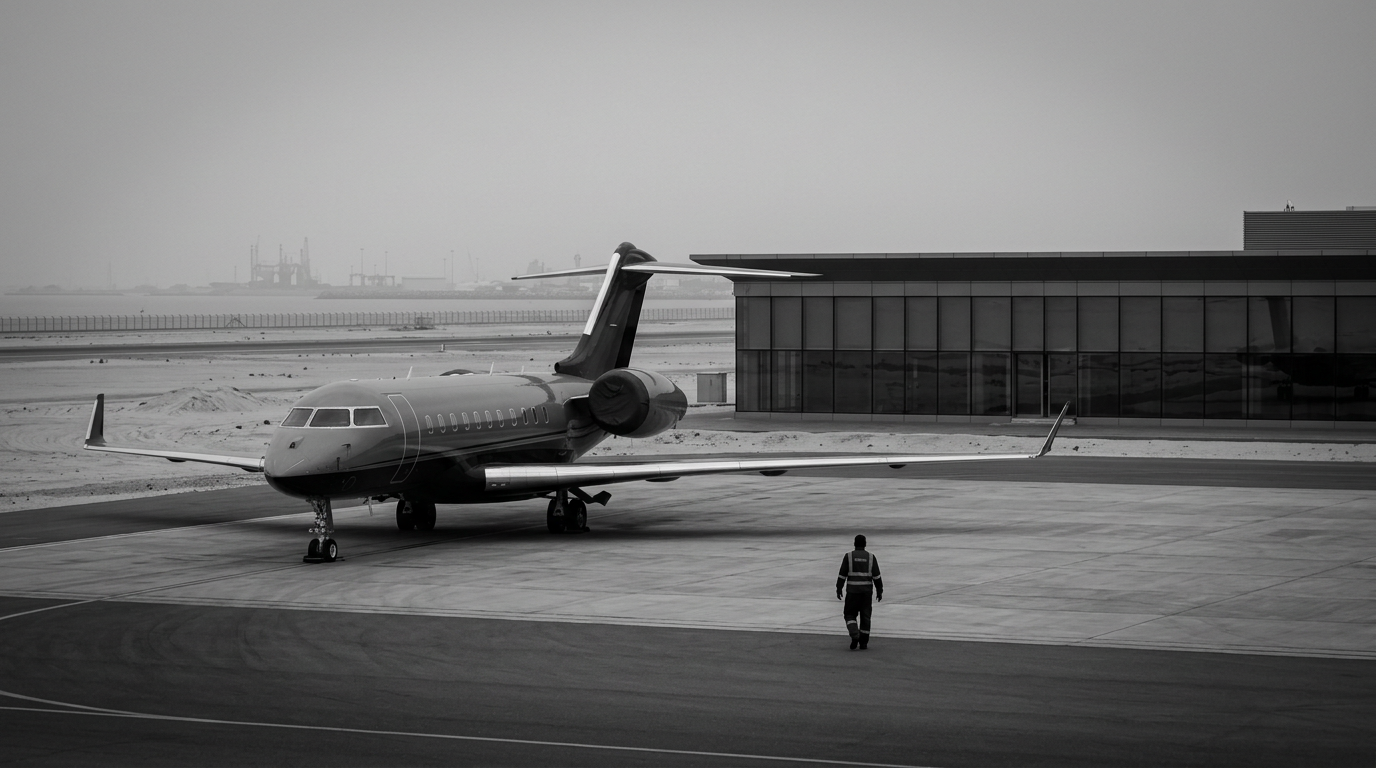
Rising insurance surcharges reshape Gulf private aviation
Private jet operators flying into the Gulf are facing higher insurance add-ons tied to conflict-related exposure, pushing up the cost of charter trips into the region. The extra charges are being applied as “war risk” premiums and, in some cases, can reach as much as $50,000 for a landing.
These fees are changing how some operators plan flights, including decisions about where to refuel and how long aircraft remain on the ground. The shift matters now because it adds a new, variable cost layer at a time when demand patterns and routing options are still adjusting to regional constraints.
What is changing: coverage, pricing, and flight planning
Standard aviation insurance that previously covered Middle East operations without special conditions is no longer sufficient for some Gulf itineraries under current circumstances. Operators are instead being required to purchase additional “war risk” coverage for certain destinations.
The size of the premium is not uniform and depends on the airport being used, the time the aircraft spends on the ground, and the value of the aircraft. Because those inputs differ by trip, charter quotes can vary widely even for similar routes, and the insurance component can materially alter the final price.
Demand and traffic: early surge fades, activity continues
Demand for private travel from the Gulf initially jumped after recent regional events, but that spike has eased as commercial airline services resumed. Even so, charter activity remains in place, supported by continued regional transit needs and airspace limitations that affect routing.
Operators are also adapting tactically: some are choosing to refuel outside the Gulf to reduce time on the ground within the region. By limiting ground exposure, they aim to reduce the portion of a trip that is most directly linked to the higher insurance pricing.
Cost stack: insurance meets fuel and oil-linked volatility
While war-risk premiums have come down from earlier peak levels, overall charter pricing is still higher than before the conflict period referenced in the market. Insurance is only one part of the cost stack, but it is a highly visible and trip-specific line item for customers.
Fuel is another pressure point. Jet fuel prices have been rising alongside oil-market moves, adding to operating expenses and reinforcing the upward shift in charter costs for Gulf-related flying.
Uncertainties and what remains unclear
Key details remain variable and difficult to generalize, including how long elevated premiums persist and how sharply pricing differs by airport and insurer. The market also faces uncertainty from ongoing airspace constraints, which can keep charter demand supported even when scheduled airlines return to normal operations.
For operators and customers, the immediate reality is a more complex pricing environment: insurance, routing, and fuel costs can all change the economics of a trip at short notice. That dynamic is likely to keep Gulf charter quotes above earlier baselines until conditions normalize and insurers reassess risk.
💊 Kapsül Analysis
📌 What Happened?
- Private jet flights into the Gulf are being quoted higher “war risk” insurance premiums, sometimes up to $50,000 per landing.
- Some operators are refueling outside the Gulf to reduce ground time and limit exposure to the higher charges.
- After an initial demand jump, private travel demand eased as commercial airlines resumed, though charter traffic remains active amid airspace constraints.
🔍 Why It Matters
- War-risk add-ons can materially change charter pricing and trip planning for business and high-net-worth travel into the Gulf.
- Variable pricing by airport, ground time, and aircraft value increases uncertainty for operators and customers.
- Higher jet fuel costs linked to oil-market moves add another layer of cost pressure.
📈 Market & Political Impact
- Markets: Higher operating costs can affect private aviation services and related suppliers; fuel sensitivity links costs to oil price swings (commodities).
- Macro: Elevated transport costs can feed into broader travel and logistics pricing where charter is used for time-critical movement.
- Geopolitics/trade: Airspace constraints and conflict-risk pricing highlight how regional tensions can transmit into cross-border mobility and services trade.
👁️ What to Watch
- Whether insurers adjust war-risk pricing further as conditions evolve and as airport-specific risk assessments change.
- How long airspace constraints persist and whether they continue to support charter demand.
- Jet fuel price direction as oil markets react to regional developments.
📋 Source Status
Single-source
📊 Confidence
Level: Medium — The cost figure and operational responses are specific, but airport-by-airport pricing and duration are not fully detailed.
Implications
Country Impact: Gulf destinations may see higher effective costs for private aviation arrivals as insurers apply conflict-related pricing. This can influence how travelers and operators route flights and manage time on the ground.
Industry Impact: Private aviation operators face a more complex cost and planning environment, with trip-specific insurance pricing layered on top of fuel and routing constraints. Charter customers may encounter wider quote dispersion depending on airport choice and aircraft value.
Market Impact: Oil-linked jet fuel increases and war-risk insurance surcharges connect regional geopolitical risk to service-sector pricing. Globally, the episode underscores how conflict risk can quickly reprice aviation-related services and affect cross-border mobility.