Poland Central Bank Cautious on Inflation, Signals Readiness to Act
Poland's Central Bank is prepared to tackle inflation but will carefully assess the economic outlook before making policy changes.
Atlas Newsdesk ·
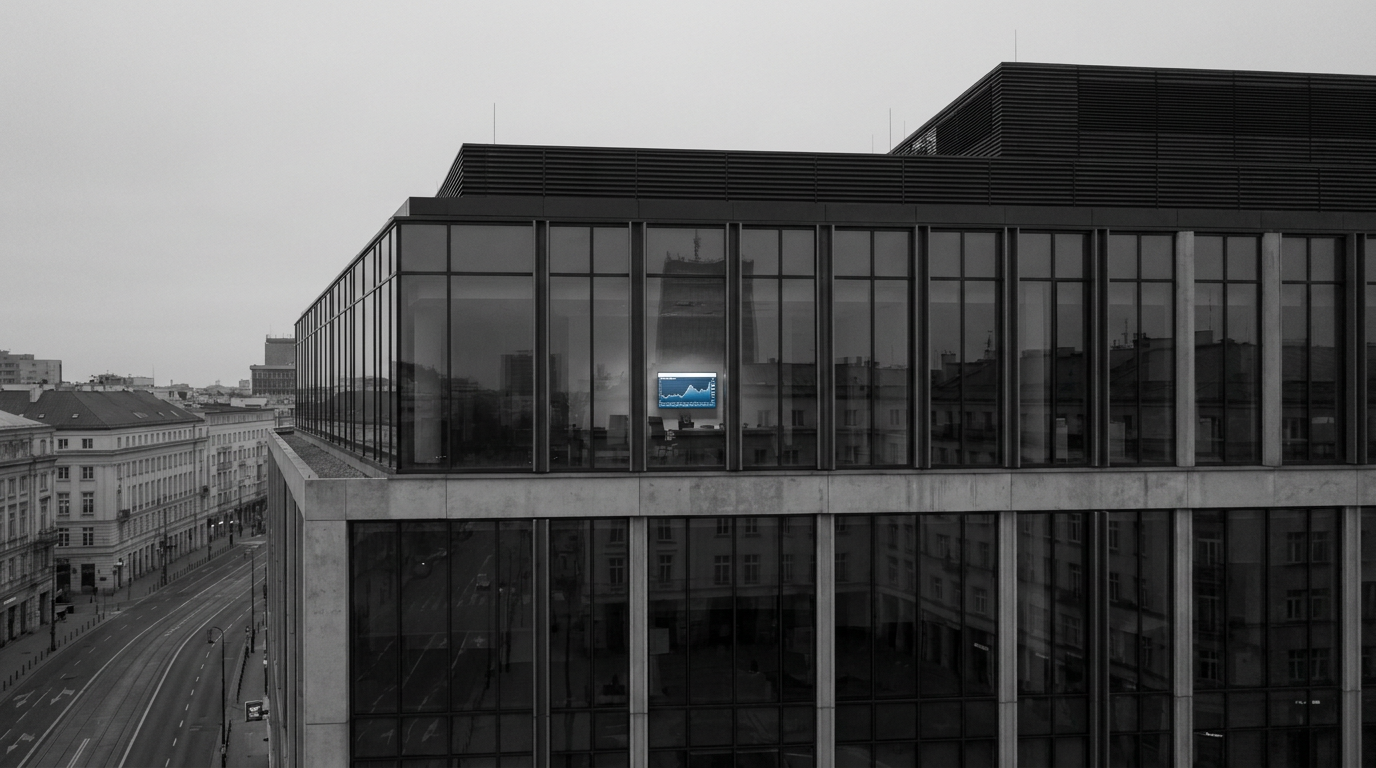
The National Bank of Poland (NBP) is poised to intervene against inflationary pressures stemming from rising oil prices, though it intends to thoroughly evaluate the economic trajectory before implementing policy changes. Governor Adam Glapiński stated on Monday that the bank is not in a hurry to tighten monetary policy, emphasizing the nation's stronger economic standing compared to previous inflationary periods.
Assessing Inflationary Pressures
Despite the readiness to act, the NBP recently maintained its key interest rate at 3.75%, a decision that aligned with market expectations. This caution is largely attributed to the ongoing uncertainty surrounding geopolitical events and their potential ripple effects on Central Europe's largest economy. Governor Glapiński acknowledged that the probability of monetary policy tightening has advanced.
He indicated that interest rates might be raised if inflation surpasses the central bank's target range of 3.5% and projections suggest a sustained period of elevated prices. However, speaking at a banking conference in Budapest, Glapiński stressed that any immediate action is unlikely, as the current price shock is considerably less severe than the one experienced following Russia's 2022 invasion of Ukraine.
Economic Resilience and Outlook
Poland's economy is currently demonstrating robust resilience, providing a favorable starting point to absorb the impacts of the current price shock. Governor Glapiński highlighted the country's strong economic growth, estimated at approximately 3.5%, and the absence of significant macroeconomic imbalances as key strengths.
This solid economic foundation allows the NBP to adopt a measured approach. The central bank will continue to monitor key economic indicators, including inflation trends and their underlying drivers, as well as the broader geopolitical landscape. A slower pace of decision-making allows for more informed policy adjustments that minimize unintended consequences.
The NBP's stance reflects a balancing act between preemptive action against inflation and the desire to avoid premature policy tightening that could stifle economic momentum. The coming months will be crucial in observing how global energy markets evolve and how these developments translate into domestic price pressures and economic activity.