Iran Oil Debate Rekindled by Podcast Claim on Dollar
Iran oil debate resurfaces after a podcast highlights a claim about past pressure on exports, but no new US, Iran, or OPEC+ move is shown.
Omar Farouk ·
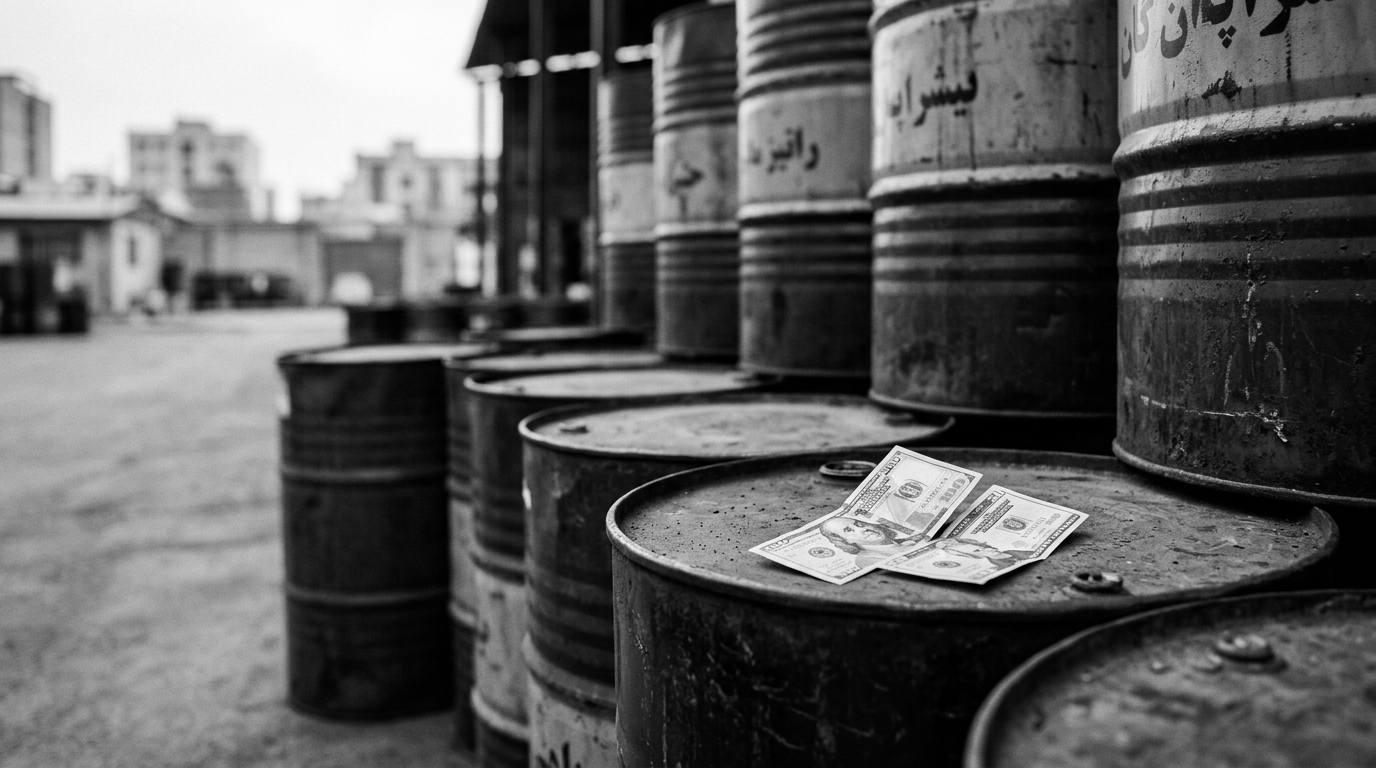
A newly published podcast episode has renewed discussion about Iran’s oil exports and the role of the US dollar in energy trade, after economist Philip Pilkington argued that the Trump administration previously “manipulated” oil markets by applying pressure tied to Iran’s export flows.
The program has circulated in recent days as Gulf producers navigate a more complex security environment and as occasional proposals for non-dollar settlement re-emerge in parts of the region. However, the episode does not cite a fresh, verifiable policy decision by the United States, Iran, or OPEC+ that would indicate an imminent change in oil-market rules or currency practice.
Sanctions on Iran remain a core policy tool
Those measures tightened significantly during President Trump’s first US sanctions on Iran’s oil sector have for years been central to Washington’s approach to Tehran. Those measures tightened significantly during President Trump’s first term after the United States withdrew from the Joint Comprehensive Plan of Action (JCPOA), the 2015 nuclear agreement between Iran and major powers. Officials have described the sanctions as designed to curb Iranian crude sales and restrict financial access. Tehran has repeatedly characterised the measures as economic warfare, while Washington has framed them as leverage tied to Iran’s nuclear and regional policies. Dollar dominance persists, while “de-dollarization” talk recurs In oil markets, the US dollar remains the primary currency used for invoicing and settlement, supporting dollar demand through pricing conventions, trade finance, and reserves management. Against that backdrop, periodic debate about “de-dollarization” has surfaced among Gulf Cooperation Council (GCC) states and some OPEC+ participants.
Philip Pilkington
The source material notes that meaningful change typically requires payment infrastructure, deep liquidity in alternative currencies, and political alignment between exporters and major buyers. The podcast episode itself does not document these conditions shifting in a way that would suggest a near-term break from dollar-denominated oil trade.
Geopolitics and shipping routes shape near-term risk
For Gulf states, the immediate concern is less the podcast discussion and more whether sanctions enforcement, shipping risks, or a diplomatic shock alters physical oil flows and pricing. Any escalation involving Iran can heighten sensitivity around the Strait of Hormuz, described as a critical chokepoint for seaborne oil.
The source material also points to regional spillovers that could affect trade via the Bab al-Mandab corridor, which links the Red Sea to the Gulf of Aden. These route-focused risks can influence market sentiment and logistics even in the absence of a formal currency-policy shift.
What would count as a real signal by 2024-08-31 The episode raises a second-order question: whether sanctions-driven fragmentation encourages experimentation with non-dollar settlement on specific routes or between select counterparties. Even limited bilateral sales conducted in another currency could be material if they scale, but the source material says the podcast offers no evidence of an imminent move by Gulf producers or any coordinated OPEC+ effort to re-price oil away from dollars.
By 2024-08-31, the source material says attention should focus on verifiable, on-the-record developments rather than commentary. Examples include public statements from Iranian officials about pursuing non-dollar oil settlement, any formal OPEC+ discussion of currency use in oil contracts, or US Treasury communications indicating a change in sanctions enforcement posture.
The claim would look stronger if multiple regional actors publicly endorse non-dollar mechanisms or announce energy deals that bypass dollar settlement. It would look weaker if the podcast remains a standalone opinion product without subsequent policy actions or documented market changes.