Iran says 56 cultural sites damaged after conflict began
Iran says 56 museums and monuments were damaged after a conflict began on February 28, with major sites in Tehran and Isfahan affected.
Lauren Collins ·
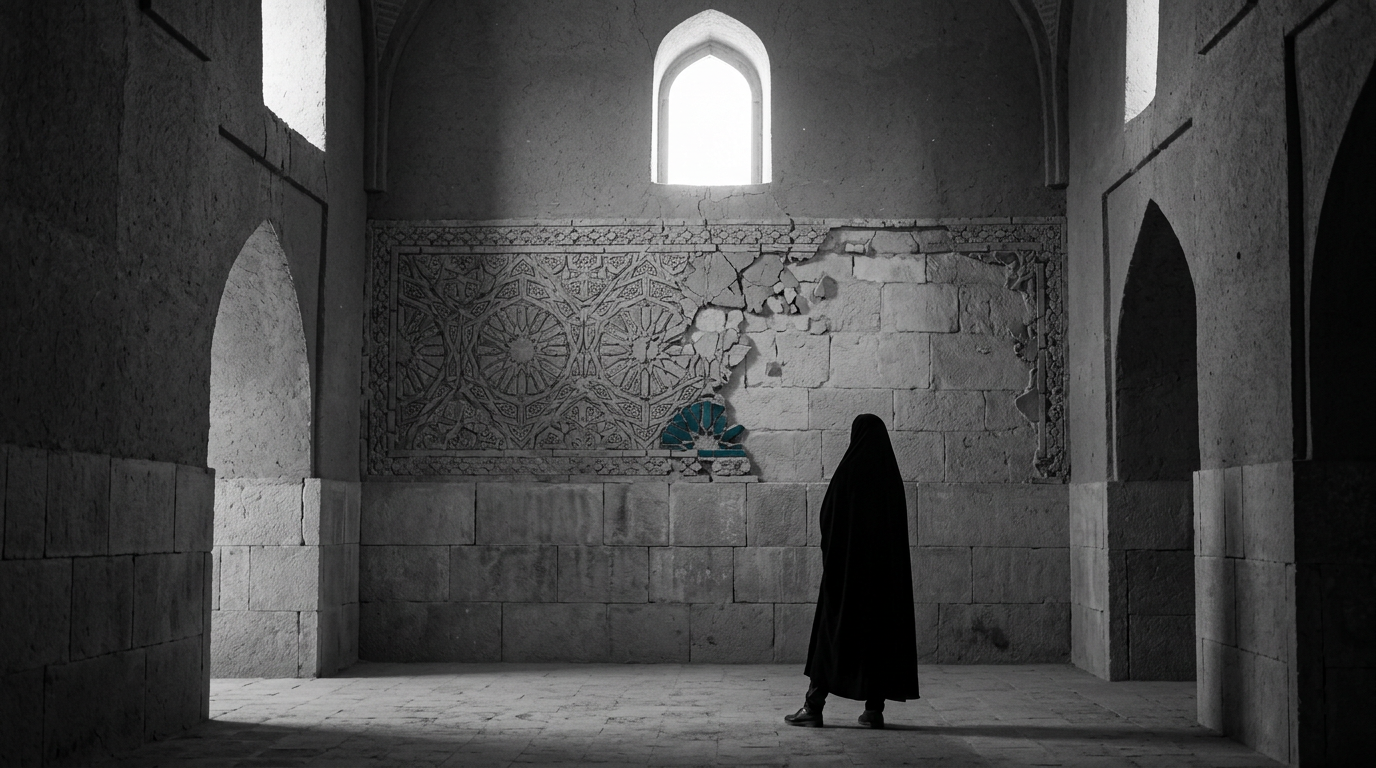
Iran’s Ministry of Culture and Tourism said 56 museums and historical monuments across the country were damaged following a conflict involving the United States and Israel that began on February 28. The ministry described the impact as widespread, with reported harm to major heritage locations in Tehran and Isfahan. Officials said the situation has intensified concerns about potential losses to cultural heritage.
Reza Salehi Amiri, Iran’s Minister for Culture and Tourism, said 19 sites in Tehran were affected. He listed the Golestan Palace, the Grand Bazaar, and the former senate building among the locations that sustained damage. The ministry’s account places the capital at the center of the reported destruction, alongside other areas of the country.
Outside Tehran, the ministry said prominent sites in Isfahan were also hit, including the 17th-century Chehel Sotoun Palace and the Masjed-e Jame. Officials did not provide a detailed breakdown of damage by site in the initial description, but they emphasized that the affected locations include well-known monuments. The ministry framed the reported damage as a threat to nationally significant cultural assets.
To document the scale of the destruction, the ministry said it has sent more than 300 experts to evaluate conditions at impacted sites. Initial estimates cited by Amiri indicated that restoration work at Golestan Palace alone would require at least two years and would involve specialized efforts. The ministry’s statements suggest the assessment process is ongoing and that timelines and costs may evolve as inspections continue.
Amiri described the damage as a “deliberate and conscious attack” on Iranian identity. He also said the extent of destruction exceeded what he said was seen during the 1980s Iran-Iraq War, drawing a comparison to a major historical conflict in the country’s modern history. Those characterizations were presented as the minister’s assessment of intent and scale.
The minister said the targeting of cultural sites would breach the 1954 Hague Convention, adding that all parties involved are signatories. He also criticized what he described as insufficient action by the international community and UNESCO regarding protection of the affected heritage sites. The ministry’s account leaves uncertainty over the full condition of each location as expert reviews proceed, and over what international steps, if any, may follow.