Indigenous Communities Form Self
Indigenous communities are forming self-defense units to counter rising organized crime violence as state protection for land defenders continues to decline.
Lauren Collins ·
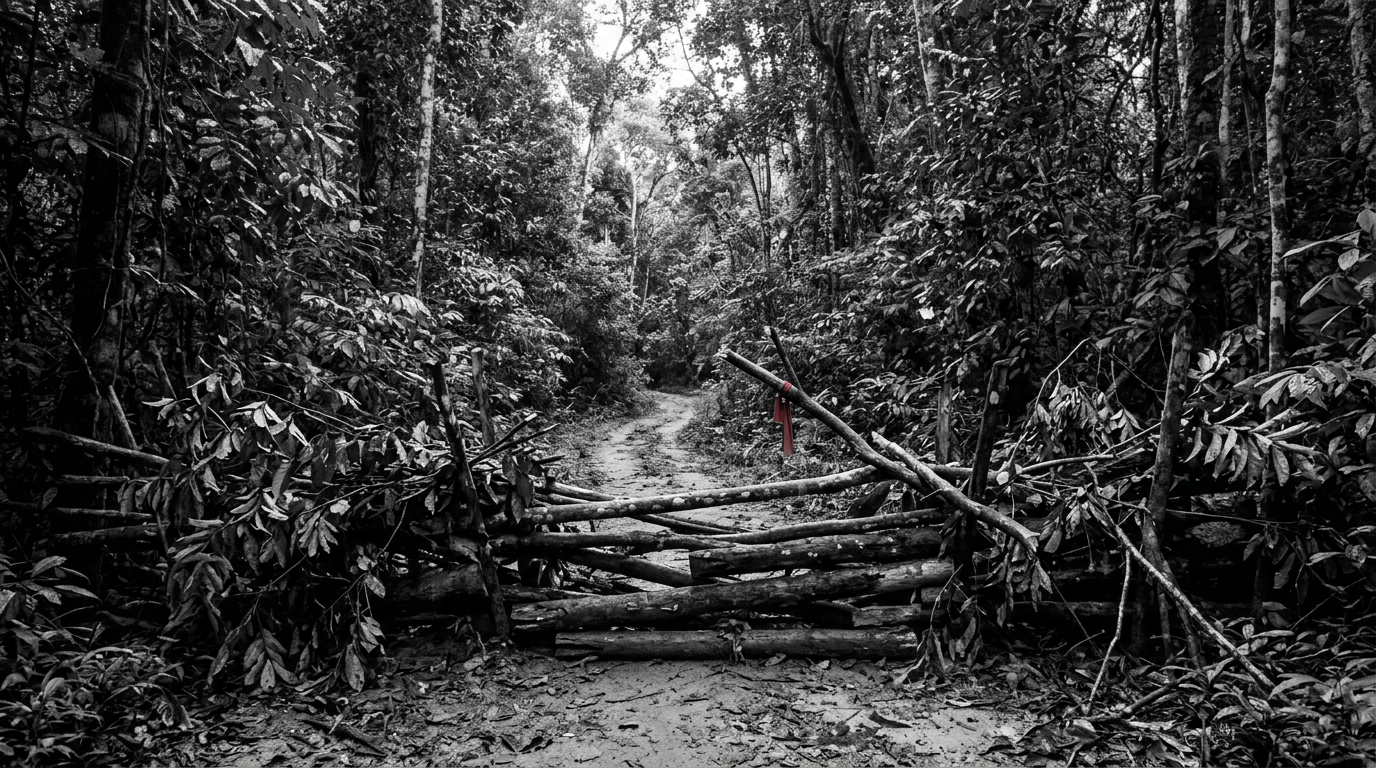
Indigenous communities are increasingly establishing autonomous self-defense units to protect land and natural resources against organized criminal groups. This shift follows 124 documented killings of environmental defenders in 2025, with 85% of these incidents occurring in Latin America. Colombia, Brazil, and Honduras recorded the highest mortality rates, often linked to illegal logging, mining, and narcotics trafficking.
Organized crime groups are now implicated in over one-third of these fatalities, frequently operating in regions where local governance and law enforcement are compromised by corruption. The expansion of illicit coca production and smuggling networks has forced criminal actors into remote indigenous territories, escalating the risk to local populations.
International support for land stewardship has diminished, notably following the reduction of specific foreign aid programs previously tasked with supporting indigenous land rights. Consequently, communities are assuming responsibility for their own security, despite the high risk of retaliation. Seven members of indigenous guard units were murdered in 2025, highlighting the volatility of these localized security efforts.