USS Abraham Lincoln Concludes 286
The USS Abraham Lincoln carrier strike group completed a record 286-day continuous deployment, facing crew welfare challenges before its first port call in…
Lauren Collins ·
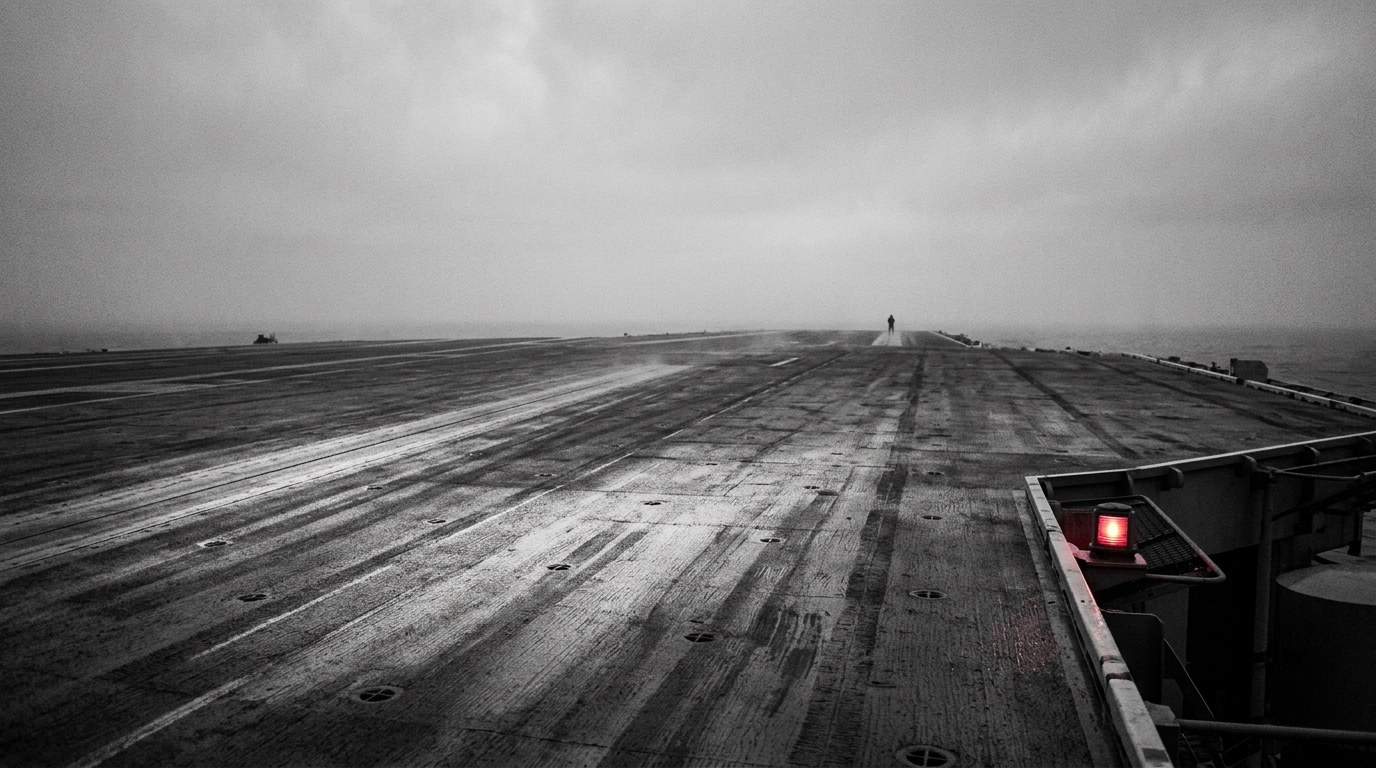
The USS Abraham Lincoln aircraft carrier strike group recently concluded an unprecedented 286-day continuous operational period at sea, marking the longest such deployment without a port visit for the unit. This extended mission concluded with its first port call in Pattaya, Thailand. During this lengthy period, service members reported significant challenges concerning onboard living conditions, specifically highlighting issues with food quality and mental health stressors experienced by the crew.
Reports from personnel detailed a decline in living standards, which became public amidst scrutiny over the operational environment during the vessel's mission cycle. One crew member, on their initial deployment, described the living situation as akin to "being stuck in your bedroom with all your family." This individual also mentioned difficulties with provisions, citing "uncooked beef" and "sliced up, uncooked potato" as examples of food quality issues.
Crew Conditions and Command Response
Leadership acknowledged logistical constraints that impacted the availability of fresh provisions for the crew. However, they characterized some reports of systemic degradation in conditions as overstated. Another sailor indicated that the drop in living standards was a direct consequence of demanding conditions faced during "Operation Epic Fury," suggesting that resupply efforts were deemed too risky during this phase of the deployment, rather than solely due to the duration of the mission.
Service members are operating under strict directives that prohibit unauthorized communication with media regarding internal ship conditions. These rules aim to manage information flow and maintain operational security. The challenges experienced underscore the broader issues concerning personnel welfare during prolonged naval operations.
Economic Impact and Future Deployments
The port visit by the carrier group is projected to inject approximately $3 million into the local economy of Pattaya. Local businesses, including tailor shops and restaurants, actively prepared for the arrival, offering special discounts and promotions to welcome the US service personnel. Military authorities have implemented specific off-limits zones within the city to mitigate potential security and conduct risks, particularly given Pattaya's reputation for nightlife.
After nearly ten months at sea, many crew members expressed a desire for "simple stuff," such as new socks, tailored suits, or pedicures, reflecting the extended period away from shore amenities. The extraordinary length of this deployment highlights the considerable strains placed on military personnel during extended operational periods. The need to balance strategic imperatives with the well-being of the crew is expected to remain a critical focus for future naval operations, especially those involving continuous sea operations and limited port access.
Challenges of Prolonged Sea Operations
Long deployments like that of the USS Abraham Lincoln underscore the logistical and human resource challenges inherent in maintaining naval presence globally. The U.S. Navy frequently conducts extended missions to support international security and stability, which often necessitates significant time away from homeports. Ensuring consistent access to fresh supplies, adequate medical support, and psychological services becomes increasingly complex as deployment durations lengthen.
The Navy continuously evaluates operational models and personnel support systems to mitigate the impact of extended sea tours. Lessons learned from missions like the Abraham Lincoln's will likely inform adjustments in deployment schedules, resupply strategies, and onboard welfare programs. This ongoing assessment aims to sustain the operational effectiveness of naval forces while prioritizing the physical and mental health of service members.