Tunisia's Economy Stagnates Amid Policy Shifts
Tunisia's economy faces stagnation as of September 2026, marked by weak growth and infrastructure issues following President Saied's policy changes.
Lauren Collins ·
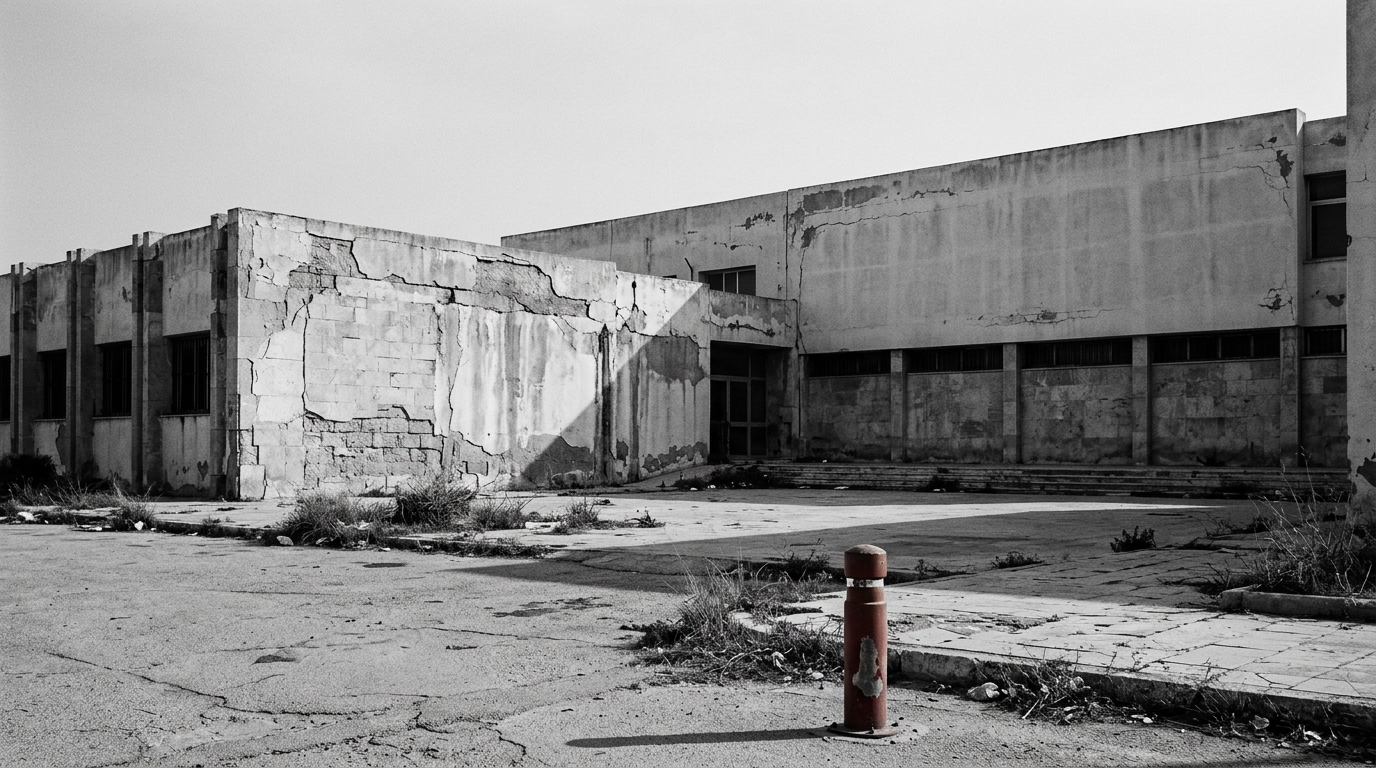
Tunisia's economy is currently experiencing a period of significant contraction and stagnation, characterized by failing public infrastructure and limited growth as of September 2026. This challenging economic environment has unfolded under President Kais Saied, who assumed consolidated executive powers in July 2021.
During this period, the North African nation has grappled with persistent utility shortages, a deteriorating public healthcare system, and a notable reduction in citizens' purchasing power. These economic difficulties stem from a policy shift towards populist measures, emphasizing anti-corruption rhetoric and national self-reliance, often at the expense of established structural reforms.
Policy Shifts and Institutional Impact
President Saied's administration has systematically dismantled existing constitutional institutions and deliberately distanced Tunisia from established international financial frameworks. Instead of engaging with global lenders, the government has focused on internal wealth redistribution initiatives, including community-based enterprises, as a primary economic strategy.
This redirection marks a clear departure from Tunisia's previous economic trajectory. Prior to the 2011 revolution, the country maintained a decade of macroeconomic stability, achieving an average annual GDP growth rate of 4 percent. The current approach, however, has led to a struggle to secure essential external financing and stabilize domestic production, contributing to chronic shortages of goods and services.
Economic Performance and Outlook
Economic data highlights a sharp decline in performance since the policy transition. Following a robust post-pandemic recovery with 4.7 percent GDP growth in 2021, the annual growth rate dramatically decelerated to just 0.2 percent in 2023. Current projections for growth are around 2.5 percent, a figure deemed insufficient to address the country's approximately 15 percent unemployment rate.
The populist agenda, which initially resonated with many Tunisians disillusioned by corruption and former political elites, centered on recovering 'plundered' wealth and introducing new ownership models. However, these mechanisms have not generated the critical capital or investment required to sustain and grow the economy. The emphasis on national self-reliance has further complicated engagement with international financial institutions and sovereign rating agencies, leaving the country without crucial external funding for stability and development.
Tunisia's prospects for economic recovery are closely tied to its ability to resolve chronic shortages and attract significant investment. Continued adherence to the current policy direction without re-engagement with international financial partners is likely to exacerbate economic contraction and increase social strain. Conversely, a strategic shift towards re-integrating with global financial frameworks could unlock necessary external financing, potentially stabilizing public services and improving consumer purchasing power.