Nepal Seeks Billions in Aid After Devastating Floods
Nepal has appealed for billions of dollars in international aid for post-flood reconstruction after flash floods along the Nepal-Tibet border claimed over…
Lauren Collins ·
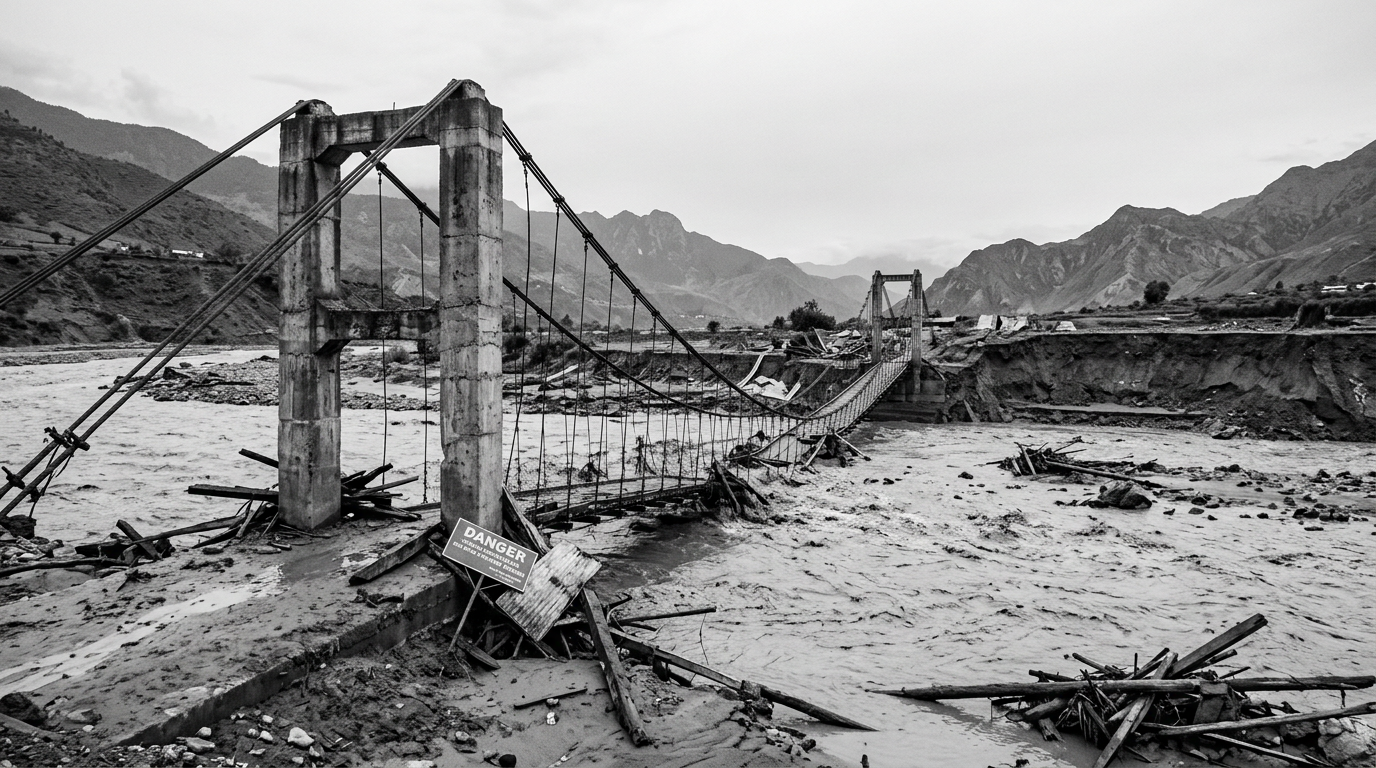
Nepal's government has issued an urgent appeal for substantial international assistance, seeking billions of dollars to facilitate reconstruction following devastating flash floods along the Nepal-Tibet border. The natural calamity, which occurred recently, has officially resulted in at least 1,200 fatalities, with thousands more individuals still reported as missing. The extensive damage has far exceeded the nation's financial capacity.
Authorities have indicated that the considerable costs associated with reconstruction surpass Nepal's current fiscal resources. This financial shortfall makes external funding critical for restoring essential services and providing housing for the population displaced by the disaster. The country now faces an immense challenge in its recovery efforts from this catastrophic event.
Infrastructure Devastation Hampers Relief Efforts
Critical infrastructure across affected regions, including vital road networks and numerous residential villages, suffered severe destruction during the recent floods. This widespread damage has significantly disrupted local logistics and supply chains, severely impeding ongoing emergency response operations and the delivery of humanitarian aid to those in need. The paralysis of essential infrastructure complicates both immediate relief operations and long-term recovery plans.
The sheer scale of destruction necessitates a sustained and well-coordinated international response. Without significant external capital, the process of restoring basic amenities and providing adequate shelter for those who lost their homes is projected to be protracted. The Nepalese government emphasizes the immediate need for financial support to mitigate the long-term humanitarian and economic consequences of the disaster.
Climate Vulnerability Exacerbates Crisis
Climate vulnerability has been identified as a primary factor intensifying the current crisis. Despite Nepal's minimal contribution to global greenhouse gas emissions, the nation remains disproportionately affected by extreme weather phenomena, including increasingly frequent and severe flooding events. This disparity highlights the inequitable impact of global climate change on developing countries that are least responsible for its causes.
The conversion of this inherent climate instability into tangible physical destruction has created a substantial long-term economic deficit for the nation. Addressing this deficit will require sustained international cooperation, not only for immediate relief but also for comprehensive long-term development strategies aimed at enhancing resilience against future climate-related events. The reconstruction phase is anticipated to span several years, with its success heavily dependent on the timely arrival and volume of humanitarian and development funding from the global community.
Officials project that a multi-year effort will be required to fully reconstruct the affected regions and restore normalcy. The pace of recovery and the ability to implement resilient infrastructure solutions are directly tied to the speed and generosity of international humanitarian and development funding. This situation underscores the critical role of global partnerships in helping Nepal navigate and recover from this profound crisis.