Mladić Repatriation Fuels Balkan Tensions and Reconciliation Concerns
Ratko Mladić's repatriation to Serbia with military honors sparks regional stability concerns, impacting reconciliation efforts in the Western Balkans.
Lauren Collins ·
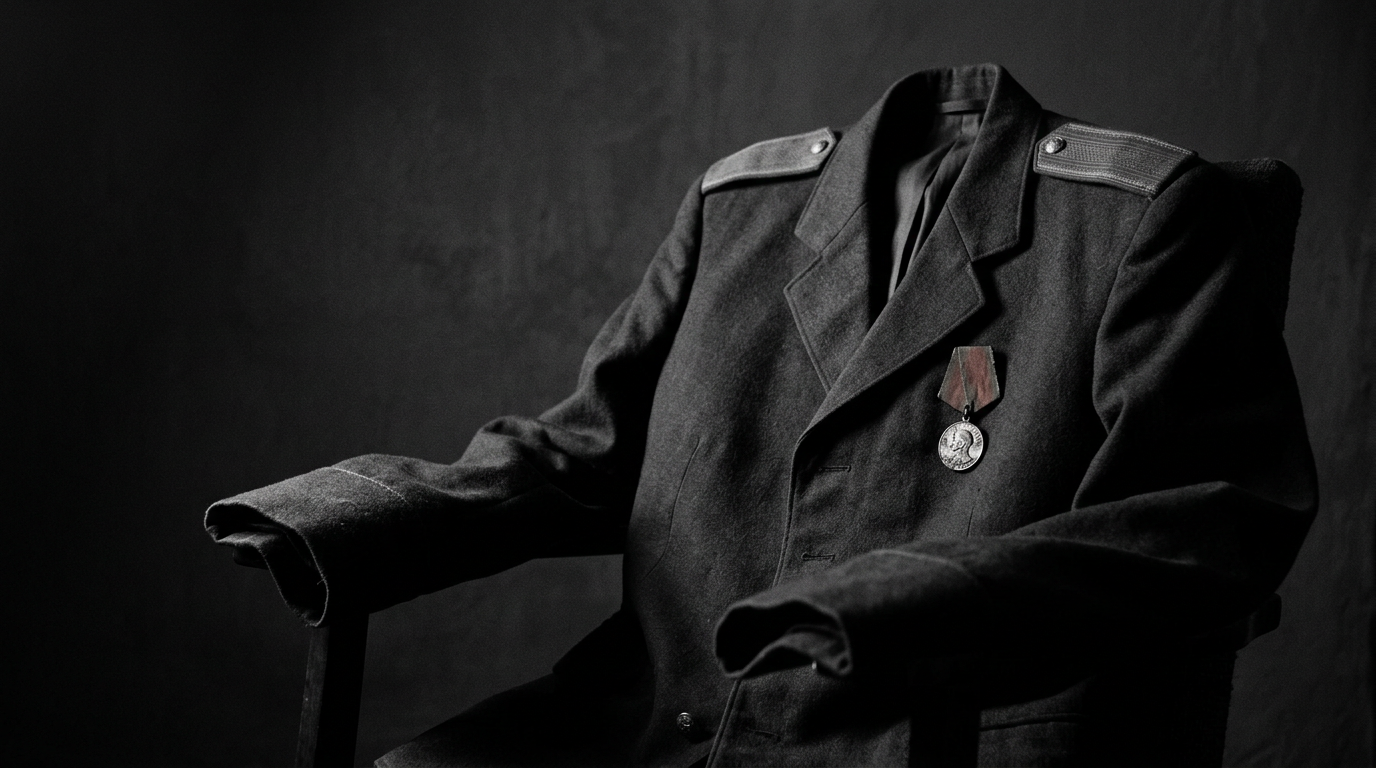
The remains of Ratko Mladić, convicted of genocide and crimes against humanity, arrived in Serbia from The Hague, receiving military honors upon his return. This event has raised significant concerns regarding regional stability and ongoing efforts for reconciliation in the Western Balkans. Mladić had been serving a life sentence, imposed by the International Residual Mechanism for Criminal Tribunals, for his involvement in the 1992-1995 Bosnian War.
The repatriation ceremony, which included military protocol, has highlighted existing domestic tensions within Serbia concerning the legacy of the conflict. His casket, draped in the Serbian flag, was carried from the aircraft by soldiers. Serbia's Justice Minister, Nenad Vujic, along with Mladić's son, Darko, were present to accompany the remains. A police escort then transported the body to a military facility located in Belgrade. This high-profile return and the manner in which it was conducted have drawn considerable international attention.
Diplomatic Implications and Reconciliation Challenges
The involvement of state officials in Mladić's arrival ceremony signals potential diplomatic challenges for Serbia. Such official participation, coupled with planned public funeral proceedings, could strain Serbia’s relationships with neighboring states and international partners. These actions are widely perceived as risking the undermining of crucial post-conflict reconciliation efforts across the Western Balkans, a region still grappling with the repercussions of the 1990s conflicts.
Pro-government media outlets broadcast images of dozens of individuals, predominantly young men, who gathered on footbridges to honor Mladić as the convoy passed. These supporters displayed banners and lit flares, reflecting strong nationalist sentiment. The same media sources also reported details of a public funeral service scheduled for Monday, suggesting the expectation of further public displays of support.
Monitoring Regional Stability Indicators
Policymakers are closely monitoring the unfolding situation for any potential civil unrest or heightened nationalist demonstrations tied to the upcoming funeral services. The Serbian state's management of these events is considered a significant indicator of its current political alignment and its commitment to fostering broader regional stability. Reactions stemming from Mladić's repatriation could exacerbate existing historical grievances and potentially influence future diplomatic engagements within the region.
The 1992-1995 Bosnian War resulted in widespread atrocities, including the Srebrenica genocide in 1995, where more than 8,000 Bosniak men and boys were systematically killed. Mladić, frequently referred to as the 'Butcher of Bosnia,' was convicted for his command role in these horrific events. His death and subsequent repatriation have reignited deep-seated emotions and debates about accountability, justice, and historical revisionism in the Balkans, posing challenges for the region's path toward European integration.