Pakistan strikes Afghanistan as Taliban reports nine civilian deaths
Islamabad said 22 militants were killed, while the Afghan Taliban said civilians died in the cross-border attack.
Mateo Fernandez ·
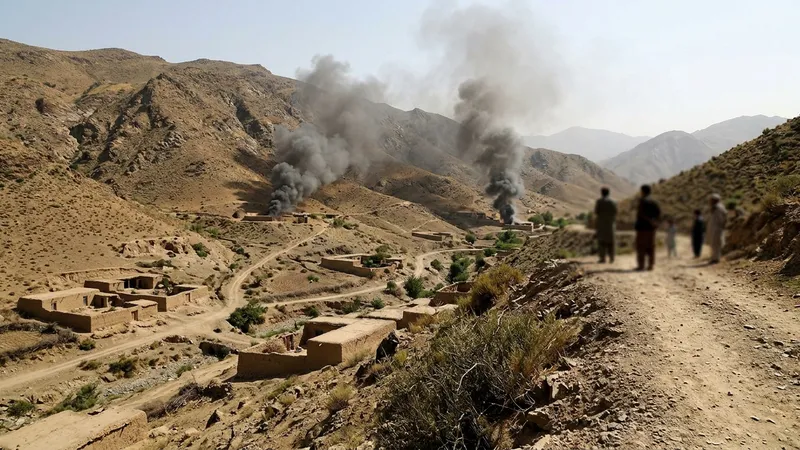
Pakistan launched air strikes inside Afghanistan on October 1, with the Afghan Taliban saying nine civilians were killed and Pakistan saying the attacks killed 22 militants. Reaction pending.
The competing casualty accounts leave the immediate facts contested. The Afghan Taliban framed the deaths as civilian, while Pakistani officials said the targets were militants. Neither side’s claim can be independently reconciled from the available official accounts.
Pakistan-Afghanistan strike claims
The strikes mark a direct military action by Pakistan across the Afghan border, a frontier that has been a recurring security flashpoint since the Taliban returned to power in Kabul. Islamabad has previously accused militant groups operating from Afghan territory of threatening Pakistan, while Taliban officials have rejected some Pakistani accusations.
The main risk is escalation through retaliation or further cross-border operations. If Pakistan treats the strikes as a contained security action, the effect may remain concentrated in border areas and diplomatic channels.
If the Afghan Taliban responds militarily, the mechanism shifts toward a wider security cycle that could disrupt trade routes, refugee flows and regional diplomacy.
For global macro markets, the immediate channel is geopolitical risk rather than energy supply or major financial exposure. For Pakistan, further conflict could complicate security spending and investor confidence. For the wider region, India, Iran, China and Gulf states will be watching whether border tensions draw in diplomatic pressure or remain bilateral.
By October 2, 2026, the key marker is whether officials on either side announce additional military action, casualty revisions or talks through intermediaries.