Pakistan Urges US-Iran Dialogue After Islamabad Summit
Pakistan pushes US-Iran talks after April 12, 2026 Islamabad meeting, as a two-week ceasefire holds and oil prices react to a naval blockade.
Lauren Collins ·
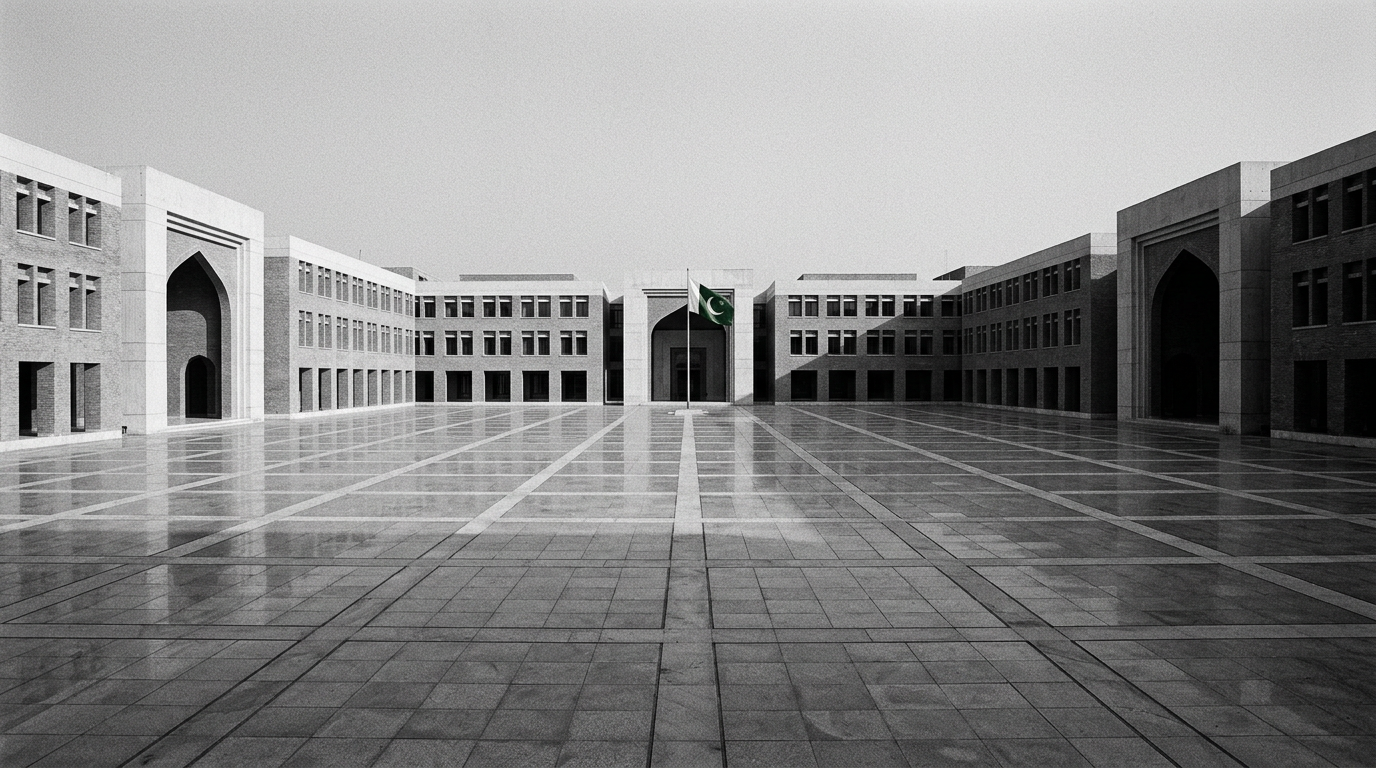
Pakistan is stepping up diplomatic outreach this week as it seeks to help arrange a second round of talks between the United States and Iran. Officials said Prime Minister Shehbaz Sharif will travel to Saudi Arabia and Turkey to advance mediation efforts following a first set of direct discussions that took place in Islamabad.
Those negotiations ran for 21 hours on April 12, 2026, and brought together U.S. Vice President JD Vance and Iranian Parliament Speaker Mohammad Bagher Ghalibaf. The meeting ended without an agreement, according to the account provided in the source material, but it established a channel for direct engagement that Pakistan is now trying to revive.
President Asif Ali Zardari confirmed that Sharif briefed him on the mediation initiative. The push for renewed talks is unfolding alongside a two-week ceasefire that has paused U.S. and Israeli strikes on Iran, creating a narrow window for diplomacy even as key disputes remain unresolved.
In Washington, U.S. President Donald Trump said on April 14, 2026, that talks could restart in Pakistan within two days. He also praised Pakistan’s army chief, linking Islamabad’s role to the prospects for renewed engagement, though no formal schedule was provided in the source material.
On the same day, United Nations Secretary-General Antonio Guterres voiced optimism about restarting ceasefire negotiations. He stressed that dialogue should continue despite the complexity of the issues, underscoring the UN’s interest in keeping the process moving even as the next steps remain unsettled.
A diplomat from a mediating country said Tehran and Washington have agreed to further discussions, but key details are still open. The location, timing, and the composition of delegations have not been decided, with Islamabad and Geneva cited as possible venues under consideration.
Market attention has remained focused on the ceasefire’s durability and the measures still in place around Iran’s trade routes. The source material says the ceasefire has been challenged by a U.S. naval blockade of Iranian ports, which was initiated in response to Iran’s actions in the Strait of Hormuz.
That blockade has affected global oil prices, highlighting how quickly geopolitical moves in and around the Strait of Hormuz can transmit into energy markets worldwide. With the next round of talks not yet locked in, the immediate uncertainty for governments and investors is whether diplomacy can proceed while maritime restrictions and regional tensions persist.