New Therapies Aim to Regenerate Arthritic Joints
Osteoarthritis therapies under a government-led program aim to regenerate bone and cartilage, with human trials anticipated within the next year.
Ayla Demirhan ·
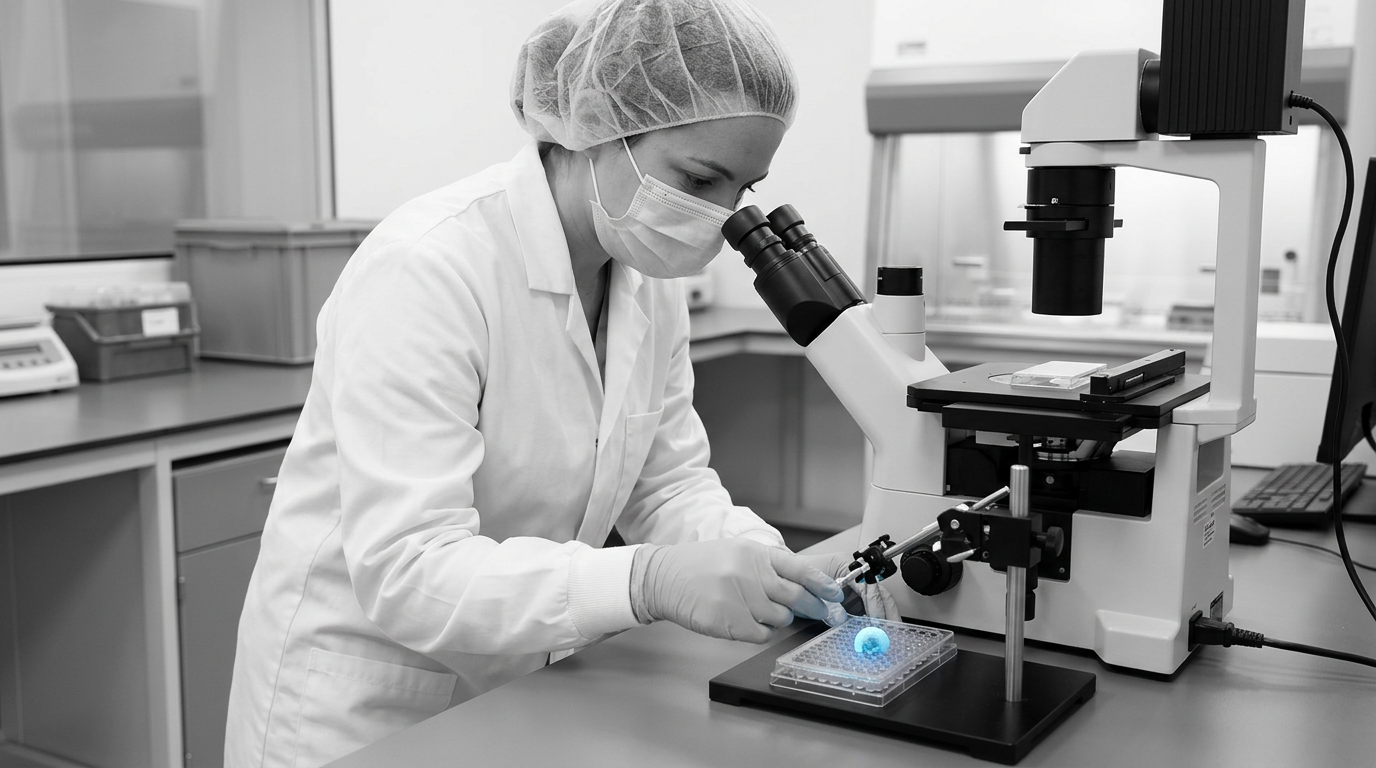
A government-led research program is developing new osteoarthritis therapies designed to rebuild damaged joints, shifting the focus from managing pain and stiffness to restoring bone and cartilage. Officials involved in the initiative said the work is being carried out in collaboration with university researchers. The stated goal is to help joints repair themselves by regenerating key tissues that deteriorate in osteoarthritis.
The program is pursuing three main technology tracks: bone regeneration, cartilage regeneration, and living knee implants. Researchers involved in the effort said these approaches are intended to restore more natural joint function. The initiative also frames the work as a potential path to reducing the need for joint replacement surgeries, though the therapies remain in development.
On the drug side, teams are developing injectable formulations aimed at stimulating bone and cartilage regrowth. Some of the injections are designed for infrequent administration, according to the program description. In parallel, researchers are working on a particle-delivery system intended to bring therapeutic agents to specific areas of cartilage damage, as well as an engineered protein cocktail designed to support targeted cartilage repair.
Another strand of the initiative centers on a living implant concept: a 3D-printed human knee built on a biodegradable scaffold and infused with adult stem cells. The program description says the implant is designed to integrate with the body over time. The intended outcome is regeneration of natural cartilage and bone as the scaffold breaks down.
Human trials for the therapies are anticipated to begin within the next year, according to the initiative’s timeline. The program also highlights access as a core objective, stating that it is aiming for affordable treatments and inclusive clinical trials. How quickly these goals can be met will depend on trial design, manufacturing feasibility, and clinical outcomes once testing begins.
For global markets, the initiative underscores continued investment in regenerative medicine approaches that could reshape how chronic musculoskeletal conditions are treated. For health systems and policymakers, the work is positioned around the possibility of therapies that repair tissue rather than relying primarily on long-term symptom control or surgical replacement.
Key uncertainties remain, including how well the therapies perform in humans, how durable any regenerated tissue proves to be, and whether the approaches can be produced and delivered at scale while meeting affordability and inclusion targets.