Middle East Tensions Impact German Economic Outlook
Germany has lowered its 2026 growth forecast, anticipating reduced tax revenues and higher inflation due to Middle East instability.
Cuneyd Erdogan ·
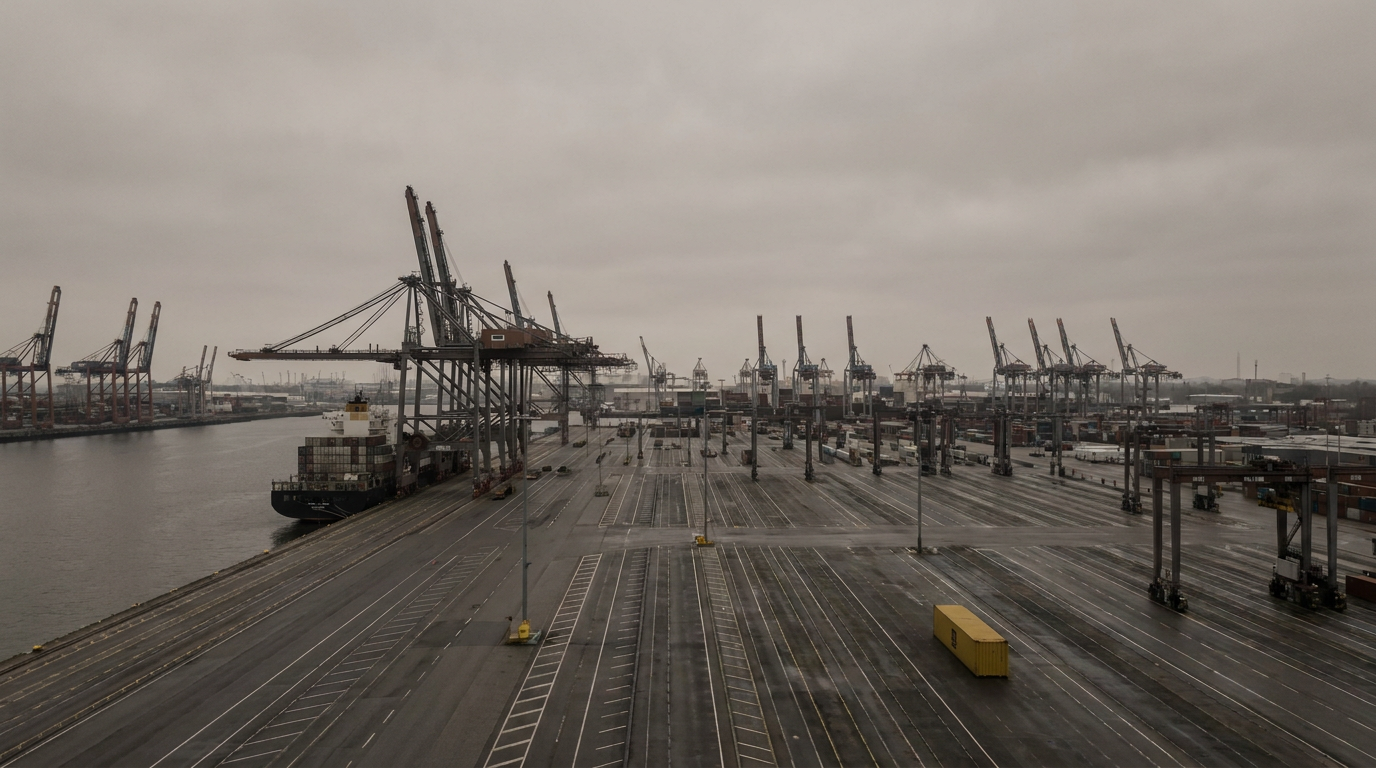
German Economy Faces Headwinds
Germany has revised its economic growth projections downward for 2026, citing escalating tensions in the Middle East and broader geopolitical uncertainties. On May 16, 2026, the government announced a reduction in its gross domestic product (GDP) growth forecast from an initial 1% to 0.5%. This adjustment signals a potential deepening of the budget deficit and substantial shortfalls in tax revenue.
The Ministry of Finance's latest estimates indicate a cumulative reduction of 52.3 billion euros in federal tax revenues through 2030. For the current year alone, tax receipts are now expected to be 382.1 billion euros, a decrease of 9.9 billion euros from previous forecasts. These revisions place considerable pressure on the government, which now anticipates a budget deficit of approximately 30 billion euros by 2028, necessitating further spending cuts.
Inflationary Pressures Mount
The conflict in the Middle East has contributed to rising energy costs, pushing annual inflation to 2.9% in April, its highest level since January 2024. Economic analysts suggest that inflation could exceed 3% in the coming months. This trend reflects a broader economic slowdown.
The Ifo Business Climate Index, a key indicator of business sentiment, dropped to 84.4 points in April from 86.3 in March, reaching its lowest point since May 2020. This decline reflects deteriorating conditions across manufacturing, services, and retail sectors. Businesses are expressing increased pessimism regarding both their current operational status and future prospects.
Broader Economic Context
The German economy, Europe's largest, is particularly vulnerable to global supply chain disruptions and energy price fluctuations. Its reliance on international trade means that geopolitical instability in critical regions like the Middle East can have immediate and significant repercussions. The revised forecasts highlight the interconnectedness of global events and national economic performance.
Uncertainty surrounding the duration and intensity of Middle Eastern conflicts poses a significant risk to Germany's economic recovery. Should energy prices continue to climb or supply routes face further disruptions, the projected economic slowdown could be more severe than currently anticipated. Policymakers face the challenge of balancing fiscal responsibility with measures to stimulate growth amidst a volatile international landscape.