Strait of Hormuz Reopens, Oil Prices Drop
Oil prices fell Friday after Iran said the Strait of Hormuz would be open to commercial shipping during the ceasefire, easing supply fears.
Lauren Collins ·
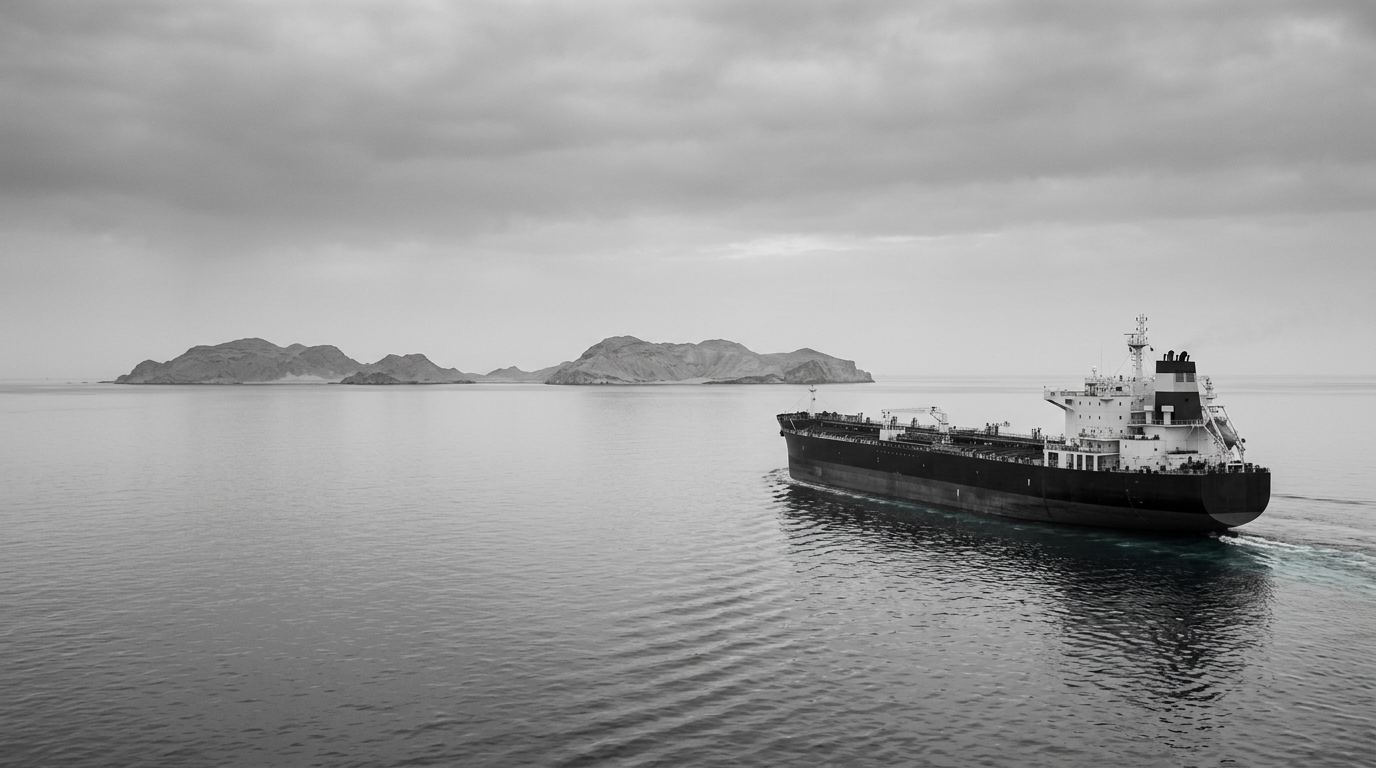
Oil prices moved sharply lower on Friday after Iran said the Strait of Hormuz would be fully open to commercial shipping during the current ceasefire in the U.S.-Israel conflict with Iran. Officials linked the announcement to the ceasefire period, framing the move as a return to access for merchant traffic through the key waterway.
Brent crude futures fell to $88 per barrel after the statement, down from over $98 earlier in the day. The update was attributed to Iranian Foreign Minister Abbas Araghchi, and the price reaction reflected how closely energy markets have been tracking developments around the strait.
The Strait of Hormuz, located south of Iran, is widely viewed as one of the world’s most important maritime chokepoints. It typically carries about one-fifth of global oil and liquefied natural gas flows, making any disruption a direct concern for energy supply, freight costs, and inflation-sensitive economies.
The passage had been closed since late February following military strikes, according to the source material. That shutdown materially tightened global oil and gas availability and helped drive a steep rise in Brent crude, which climbed from under $70 to over $100 per barrel and reached a peak of $119 in March.
Risk sentiment improved beyond energy markets. Global equities rose after the announcement, with gains reported in major benchmarks including the S&P 500, CAC, DAX, and FTSE 100, as investors weighed the prospect of fewer near-term supply constraints and reduced escalation risk around the shipping lane.
Even with Iran’s declaration and U.S. President Donald Trump’s welcome of the move, maritime groups said they are still working to confirm conditions on the route. BIMCO and the International Maritime Organization (IMO) were cited as verifying safety and compliance, reflecting the operational reality that official statements do not automatically translate into immediate, full-scale commercial transits.
Security questions remain a central uncertainty. The source material flagged concerns about potential mine threats and the integrity of the traffic separation scheme, both of which can affect insurers, shipowners, and charterers when deciding whether to send vessels through the corridor.
Shipping operators indicated they would proceed cautiously rather than resume normal volumes at once, waiting for clearer guidance on safety protocols. Analysts also said the nine-day ceasefire creates only a narrow window for tanker movements, and they warned that supply chain disruptions could continue for several months even if the strait stays open.