

Oil Prices Drop on Canceled Iran Strike News
Oil prices declined as President Trump announced the cancellation of a planned strike on Iran, easing immediate geopolitical tensions.
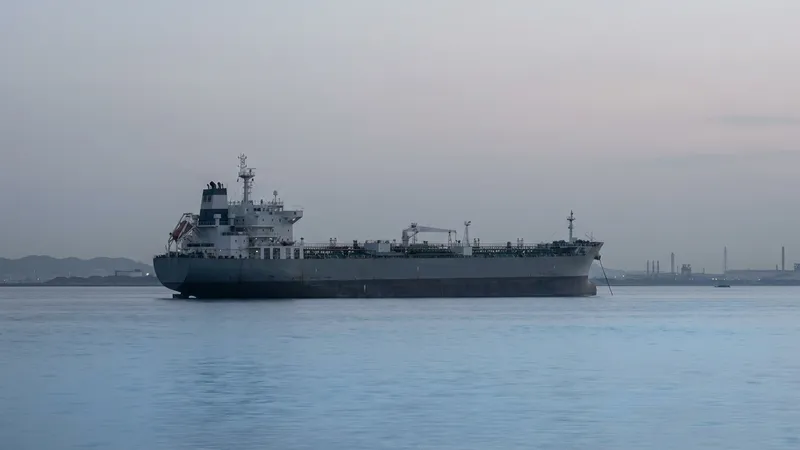
Oil prices experienced a notable decline following President Donald Trump’s announcement that a military strike against Iran, initially scheduled for Tuesday, had been called off. This development occurred after appeals from allies in the Persian Gulf region prompted a reconsideration of the planned action. The decision significantly reduced immediate market anxieties regarding potential supply disruptions.
Market Reaction to De-escalation
West Texas Intermediate (WTI) futures for July saw a dip, dropping below the $103 per barrel mark. This followed a substantial 3.3% surge experienced on the preceding Monday, illustrating the market's volatility in response to geopolitical events. Concurrently, Brent crude futures closed above $112 per barrel, reflecting a similar downward adjustment as the perceived threat receded.
The market's immediate reaction underscored its sensitivity to developments in the Middle East. Traders had been factoring in the potential for a wider conflict that could jeopardize critical energy transit routes. The cancellation, however, provided a temporary reprieve, leading to a reassessment of risk premiums embedded in crude valuations.
Geopolitical Factors and Oil Volatility
President Trump cited requests from the leaders of Saudi Arabia, Qatar, and the United Arab Emirates as the basis for postponing the strike. He indicated that these Persian Gulf allies «asked to hold off» due to ongoing serious negotiations. These statements were made via a social media post, highlighting a shift in communication strategy for critical policy decisions.
The reliability and immediate confirmation of renewed diplomatic discussions with Iran remained unclear. Tehran had not issued an immediate confirmation regarding ongoing talks, a factor that contributed to a degree of lingering uncertainty. Previous instances have seen threats of military action followed by de-escalation, creating a pattern of heightened, then diminished, market expectations.
Impact on Supply and Future Outlook
The price rally in recent days had been fueled by apprehension surrounding potential disruptions to the Strait of Hormuz, a vital chokepoint for global oil transport. The possibility of a near-total closure of this waterway had raised concerns about prolonged impacts on energy supplies from the Persian Gulf region. With the immediate threat of military action averted, focus may now shift back to fundamental supply and demand dynamics.
Analysts are closely monitoring communications between the involved parties for any signs of renewed diplomatic progress or escalating tensions. The effectiveness of these ongoing negotiations, should they materialize, will be crucial in shaping future oil market sentiment and price stability. The market will also remain attentive to the specific terms and outcomes of any diplomatic engagements.
More stories
- IRGC says tanker explodes near Hormuz mine route
- Take-Two faces $30 million GTA 6 leak threat
- TG Therapeutics leads Valneva on 12 of 14 measures
- Pune police detain 92 over election-roll protest
- Tesla takes 90% of output from Arizona solar project
- New Horizon posts $4.1 million Q1 loss as R&D rises
- Meta Shifts 7,000 Workers to AI Teams Amid Restructuring
- Meta Shifts 7,000 Staff to AI Roles Amid Restructuring
- Asian stocks slip on hot US inflation and Middle East tensions
- Brown-Forman Rejects Sazerac’s $15 Billion All-Cash Takeover Offer
Latest news
- US disables cargo ship in Iran blockade breach
- Ronaldo Ranks Third in Football's 1,000-Game Club
- Republicans Prepare Bill to Curb Trump Russia Deal
- Nollywood Star Urges Investment in Ghanaian Actor LilWin
- Marvels' Box Office Flop Still Pivotal for MCU's Future
- Hefner's Ex-Wife Defends Legacy Amid Film Controversy
- Fatal shooting incident reported in Istanbul's Bagcilar district
- Chelsea's Chavarria Impresses in 5-1 Bournemouth Victory